Unveiling Pandemic’s Unequal Educational Impact Across Communities

In a groundbreaking revelation, the Harvard Graduate School of Education has released new data detailing the profound and unequal effects of the COVID-19 pandemic on student learning across the United States. The comprehensive analysis, spearheaded by the Education Recovery Scorecard in collaboration with the Center for Education Policy Research (CEPR) at Harvard University and Stanford University’s Educational Opportunity Project, underscores the urgent need for expanded learning opportunities.


The research, which encompasses data from 8,000 communities across 40 states and Washington, D.C., paints a stark picture of how school closures and local conditions have exacerbated educational inequalities. The findings reveal that the location where children lived during the pandemic had a more significant impact on their academic progress than factors such as family background, income, or internet speed. This highlights the pressing need for school leaders to intensify recovery efforts.


Thomas Kane, faculty director at CEPR, emphasized the gravity of the situation, noting that “the hardest-hit communities, such as Richmond, Virginia, St. Louis, Missouri, and New Haven, Connecticut, need to teach 150 percent of a typical year’s worth of material for three consecutive years to catch up.”


Sean Reardon, a professor at Stanford Graduate School of Education, echoed these sentiments, stating, “The educational impacts of the pandemic were not only historically large but also disproportionately affected communities with many low-income and minority students.” He added that schools, while not the sole cause of decreased learning, are best positioned to address these disparities.


Key Findings and Recommendations

  • The average U.S. public school student in grades 3-8 lost the equivalent of a half year of learning in math and a quarter of a year in reading.
  • Test scores declined more in areas with higher COVID death rates and where adults reported increased depression and anxiety.
  • Communities with higher voting and Census response rates, indicators of “institutional trust,” experienced smaller declines in test scores.

The research also highlights the need for increased instructional time, such as summer school, extended school year, and tutoring, to help students recover lost ground. The study suggests that schools should not only focus on traditional academic calendars but also create learning opportunities outside of them.


For more in-depth insights, readers can explore the research brief and the interactive map that highlights disparities between neighboring school districts.


The ongoing support from entities like Citadel founder and CEO Kenneth C. Griffin, Carnegie Corporation of New York, and the Walton Family Foundation underscores the importance of these findings and the need for action.


More Articles

Getting licensed or staying ahead in your career can be a journey—but it doesn’t have to be overwhelming. Grab your favorite coffee or tea, take a moment to relax, and browse through our articles. Whether you’re just starting out or renewing your expertise, we’ve got tips, insights, and advice to keep you moving forward. Here’s to your success—one sip and one step at a time!

The Hidden Mold Crisis Fueled by Extreme Weather

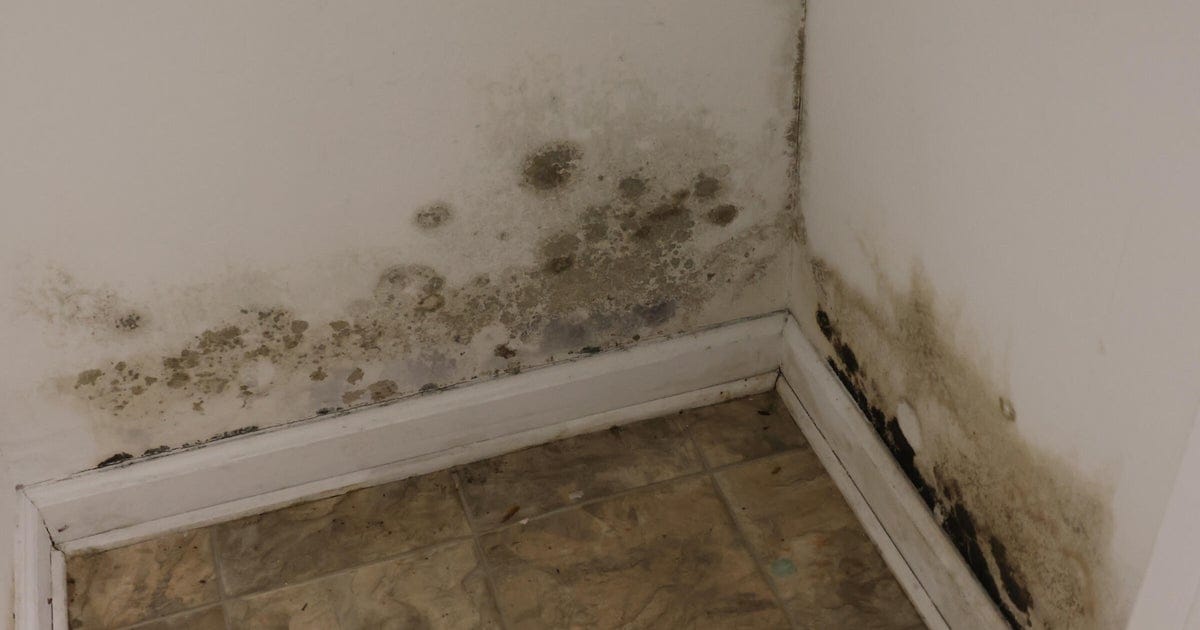
Extreme storms are triggering a surge in hidden mold growth across nearly half of U.S. homes, creating a growing health and financial emergency for families and real estate professionals. From rapid post‑storm mold development to soaring remediation costs, this silent threat is reshaping property safety, insurance challenges, and the future of housing in high‑risk regions.

Rocket Mortgage Faces Class Action for Alleged Opt‑Out Violations After 12 Unwanted Calls

A Florida consumer has filed a class action accusing Rocket Mortgage of repeatedly calling her even after confirming her opt‑out request, marking the company’s 56th TCPA‑related lawsuit. The complaint claims Rocket continued outreach for nearly three weeks—despite a STOP confirmation—and could impact more than 10,000 consumers nationwide.

Mortgage Rates Hit Month‑High as Loan Demand Falls 5%

Mortgage rates rose for the third straight week, reaching their highest level in a month and triggering a 5.2% drop in overall mortgage applications. Refinance activity slid 7%, purchase demand dipped 2%, and analysts say uncertainty in the bond market is keeping rates on a choppy path. Despite the pullback, today’s loan activity still sits well above last year’s lows, signaling that buyers remain active—but increasingly cautious.

Florida Approves 6.9% Workers’ Compensation Rate Cut for 2026

Florida has approved a 6.9% reduction in workers’ compensation insurance rates for 2026, marking the ninth straight year of decreases. The cut, signed by Insurance Commissioner Mike Yaworsky, takes effect January 1 and lowers costs for all new and renewal policies. State officials say the trend reflects improved workplace safety and will help businesses reduce expenses and support growth across industries including real estate, construction, and property management.

Is Now the Right Time to Buy a Home? Market Shifts Are Finally Giving Buyers the Upper Hand

Mortgage rates are dipping, inventory is soaring, and—for the first time in years—buyers have real leverage. While home prices remain at record highs and the economy feels unpredictable, rising inventory and cooling rates are creating rare opportunities for financially ready buyers. If you’ve been waiting for the market to open a door, this may be your moment to step through.

Is Miami Becoming New York’s Millionaire Relocation Spot?

Miami developers are pitching 'safe spaces' for millionaires amid fears of a political shift in New York City. Concerns over higher taxes and crime are prompting some New Yorkers to consider relocating south.

By |November 6, 2025|Categories: Article, Migration Trends, Real Estate|Tags: |0 Comments