In a groundbreaking effort to unravel the mysteries of rare diseases, a recent Germany-wide study has leveraged cutting-edge genetic diagnostics to make significant strides in understanding these elusive conditions. Researchers, employing exome sequencing (ES), have analyzed data from 1,577 patients, leading to successful diagnoses in 499 cases and revealing 34 previously unknown genetic conditions.

Unveiling the Genetic Secrets

The study, which has been published in the esteemed journal Nature Genetics, marks a pivotal advancement in identifying the genetic underpinnings of ultra-rare diseases. The researchers utilized innovative technologies, including the “GestaltMatcher” AI software, designed to assist in diagnosing rare diseases through facial feature analysis. This tool plays a crucial role in early diagnostics by matching phenotypes to genotypes, highlighting the clinical benefit of AI integration.

Further research under the MVGenomSeq project aims to address unresolved cases using new methods like long-read sequencing. This approach seeks to uncover genetic changes missed by traditional tools, potentially paving the way for additional diagnoses.

Collaborative Efforts Across Institutions


Institutions such as the University Hospital Bonn, Charité-Universitätsmedizin Berlin, and Klinikum rechts der Isar of the Technical University of Munich have collaborated in this groundbreaking work. According to Dr. Theresa Brunet and Dr. Magdalena Danyel, the interdisciplinary approach involving case conferences plays a critical role in understanding patient phenotypes, thereby enhancing the effectiveness of genetic diagnostics.

The Role of AI in Healthcare


The integration of AI tools like GestaltMatcher into clinical settings provides swift support, especially for pediatricians during routine screenings. This study underscores the transformative role of AI in healthcare, offering a framework for continued exploration and understanding of rare genetic diseases through cutting-edge technology and collaborative efforts.

Overall, this project sets a precedent for future research, emphasizing the power of collaborative efforts in unveiling new medical insights and improving patient care.

More Articles

Getting licensed or staying ahead in your career can be a journey—but it doesn’t have to be overwhelming. Grab your favorite coffee or tea, take a moment to relax, and browse through our articles. Whether you’re just starting out or renewing your expertise, we’ve got tips, insights, and advice to keep you moving forward. Here’s to your success—one sip and one step at a time!

Wearable Technology: A New Frontier in Heart Failure Management

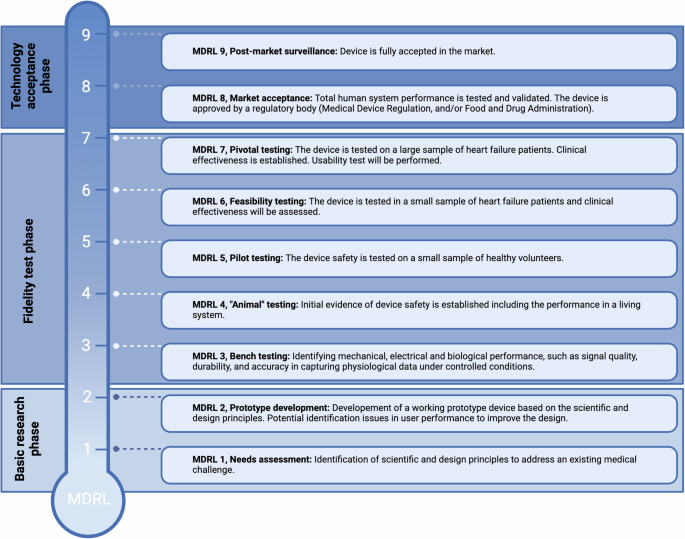
Wearable devices offer a personalized and empowering experience for patients, potentially becoming a vital component of modern heart failure management. Yet, the review underscores a significant barrier: the lack of rigorous evaluations.

AI’s Impact on Finance: Transformative Trends and Future Prospects

In the ever-evolving landscape of finance, the integration of AI technology is revolutionizing how financial institutions operate, interact with customers, and make strategic decisions.

By |December 15, 2024|Categories: Article, Finance, Technology|Tags: , |0 Comments

Blockchain and Microcredit: A New Dawn for Financial Inclusion in Kenya?

In Kenya, a financial revolution is quietly unfolding with the emergence of blockchain-based microcredit, promising to enhance financial inclusion by addressing accessibility and trust challenges inherent in traditional banking systems.

By |December 14, 2024|Categories: Article, Financial Inclusion, Financial Technology|Tags: , |0 Comments

The Revolutionary Role of Digital Twins in Precision Health

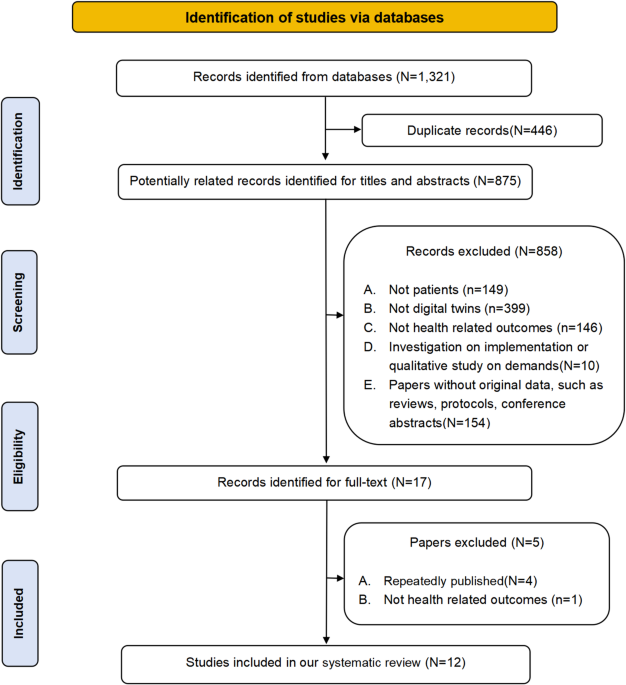
Digital twins are emerging as a pivotal technology in the realm of precision health, revolutionizing patient outcomes through personalized health management, precision therapies, and risk prediction.

The 3D Printing Construction Market: A Future of Growth and Innovation

The global 3D printing construction market is on the brink of a remarkable transformation. Currently valued at USD 0.34 billion in 2023, it is projected to surge to USD 910 million by 2024, and ultimately reach USD 2.3 billion by 2032.

The Growing Role of Telehealth in Nursing: A New Frontier for Patient Care

As the world of healthcare continues to evolve, nurses are at the forefront, embracing telehealth technology to revolutionize patient care. With the increased demand on healthcare systems due to an aging population and ongoing nursing shortages, telehealth is becoming an indispensable tool for nurses, enhancing patient outcomes and expanding access to quality healthcare.

By |December 14, 2024|Categories: Article, Nursing, Telehealth|Tags: , |0 Comments