Wall Street Scrambles as Cyberattack on SitusAMC Exposes Sensitive Real Estate Data
The financial world woke up to a major jolt after a targeted cyberattack hit SitusAMC, a firm deeply embedded in the U.S. real‑estate and mortgage data ecosystem. With clients ranging from JPMorgan Chase to Citigroup, the breach sent cybersecurity teams across Wall Street into emergency mode.
What Happened?
On November 12, 2025, SitusAMC discovered unauthorized access to its internal systems. The attack—though not ransomware—allowed intruders to view account records and legal agreements tied to real‑estate loans and mortgage portfolios.
The firm insists that operations have been restored, systems are stable, and the event is fully contained. But the data exposure itself may have long‑lasting ripple effects across commercial and residential finance.
FBI and Banks Launch Swift Response
The FBI immediately began investigating the intrusion. FBI Director Kash Patel confirmed that there is no current operational disruption to consumer banking services, but emphasized the serious vulnerabilities created by third‑party vendors.
Major banks whose data may have been exposed, including JPMorgan and Citi, have reportedly activated internal cybersecurity protocols while initiating parallel investigations.
The Real Estate Connection
SitusAMC plays a massive role in the U.S. mortgage ecosystem, managing key datasets used to price loans, assess credit risk, evaluate underwriting models, and support institutional investment decisions. A breach at this level could have implications that extend far beyond data exposure.
Even though this attack didn’t shut down operations, experts warn that trust in the digital infrastructure supporting multi‑trillion‑dollar real‑estate lending is extremely fragile.
The Bigger Picture: A Warning Shot for Wall Street
The attack highlights a major structural risk: even if banks spend billions on cybersecurity, their vendors may not be as fortified. According to cybersecurity expert Munish Walther‑Puri, the SitusAMC breach illustrates that many weak links exist within the complex digital partnerships underpinning the financial system.
Federal agencies such as the SEC and the Federal Reserve have repeatedly stressed the need for stronger vendor‑risk oversight—this breach will likely accelerate those efforts.
Why This Matters for Professionals
For anyone working in real estate, mortgages, finance, or data‑driven industries, cybersecurity awareness is no longer optional. Understanding how data flows through multiple vendors is essential for protecting both clients and institutions.
At Cameron Academy, we see every day how quickly the professional landscape evolves. Whether you’re in Florida real estate, mortgage origination, insurance, or another licensed field, strong continuing education remains one of the most reliable tools for staying ahead of compliance and industry risks.
Looking Ahead
As investigations continue, the financial sector anticipates tighter regulations and more intense scrutiny of vendor management. One thing is clear: safeguarding sensitive data requires securing every link in the chain—not just the most visible ones.
For the original report and more business and cybersecurity coverage, visit StartupNews.FYI.
More Articles
Getting licensed or staying ahead in your career can be a journey—but it doesn’t have to be overwhelming. Grab your favorite coffee or tea, take a moment to relax, and browse through our articles. Whether you’re just starting out or renewing your expertise, we’ve got tips, insights, and advice to keep you moving forward. Here’s to your success—one sip and one step at a time!
Just 48 hours after NAR unveiled major revisions to its MLS policies, plaintiffs in the Michigan-based Hardy lawsuit moved to use those changes as evidence, arguing they prove NAR’s prior rules were anticompetitive. NAR denies any wrongdoing, but the case is quickly becoming a key test for whether MLS access should require Realtor membership — a question now echoing across multiple states and potentially reshaping how real estate professionals nationwide access the industry’s most essential tool.
Florida homeowners are now paying some of the highest insurance premiums in the country, with average costs topping $5,800 per year—nearly double the national average. Residents report skyrocketing rates, denied claims, and tough choices between costly coverage and financial risk. As frustration grows, lawmakers and consumer advocates are pushing new reforms aimed at increasing transparency, capping rate hikes, and protecting policyholders in one of the nation’s most volatile insurance markets.
Economic uncertainty, rapid AI adoption, tighter capital flows, and rising portfolio risk are reshaping the 2026 commercial real estate landscape. From shifting workforce patterns to a national housing attainability crisis, the industry is entering a data‑driven, fundamentals‑focused era—making adaptability, education, and tech literacy essential for real estate professionals.
Mortgage rates have climbed to 6.23 percent as investors grow doubtful that the Federal Reserve will deliver a rate cut in December. A soft but unclear jobs report and persistent inflation have pushed borrowing costs higher, reversing October’s brief relief in the housing market. Real estate and mortgage professionals should prepare clients for continued volatility as the Fed’s December meeting approaches.
After years of tight inventory, high mortgage rates, and sluggish sales, economists say 2026 is shaping up to be the turnaround real estate professionals have been waiting for. NAR projects a 14 percent jump in home sales, mortgage rates easing toward 6 percent, and buyer demand finally gaining momentum. While higher‑end homes are moving quickly, first‑time buyers continue to face affordability challenges, and price reductions are reappearing as sellers adjust to shifting conditions. For Florida agents, brokers, and newcomers, the stage is being set for a busy and opportunity‑rich year.
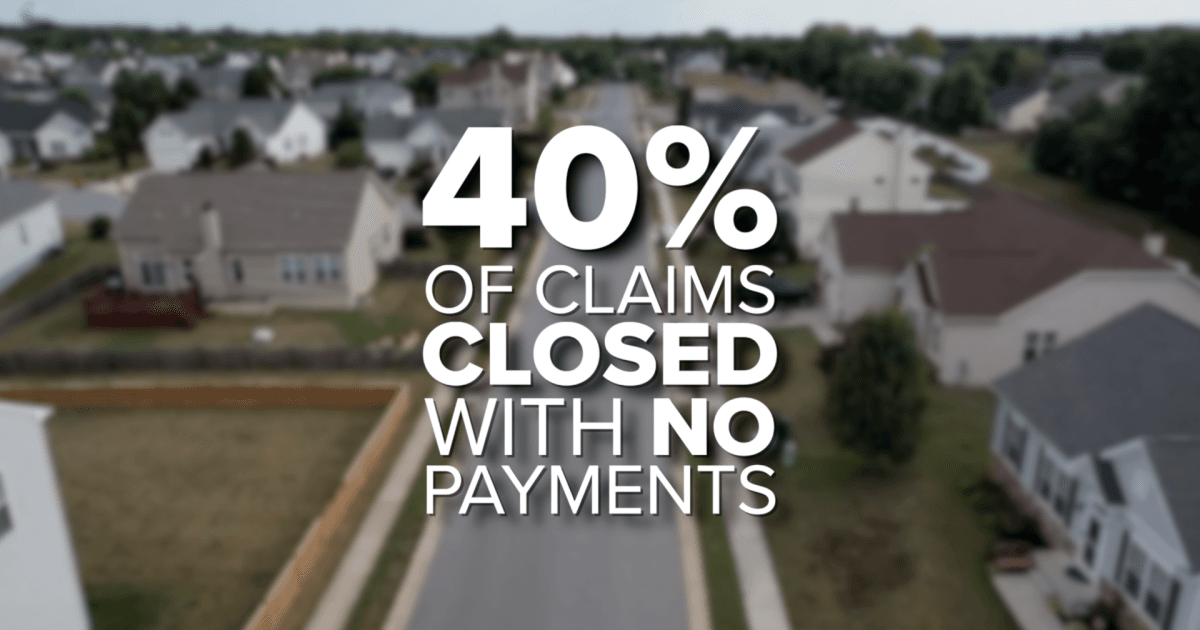
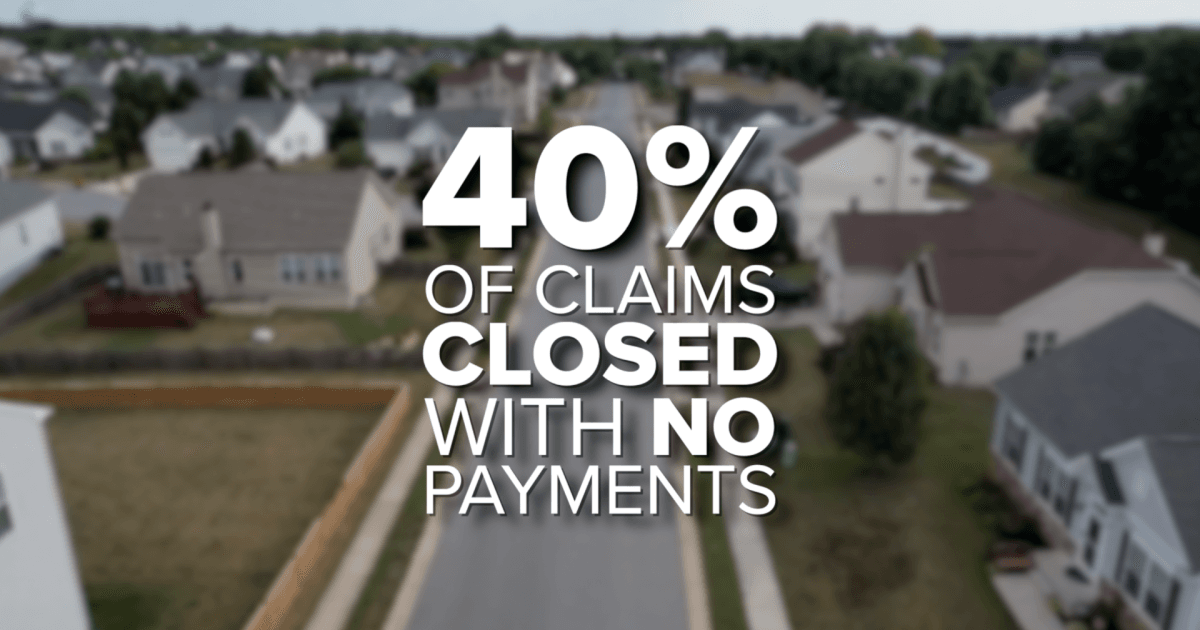
Florida’s average homeowner insurance premium has soared to $5,838 a year—almost $3,000 above the national average—pushing many residents to the financial brink. From tripled premiums to lowball claim payouts, homeowners are speaking out as frustration mounts. Some are even dropping coverage entirely. With more than 40% of claims closed without payment and policy cancellations at record levels, lawmakers are pushing for reforms, but political hurdles remain. The outcome could reshape Florida real estate, insurance, and mortgage markets for years to come.