Wall Street Scrambles as Cyberattack on SitusAMC Exposes Sensitive Real Estate Data
The financial world woke up to a major jolt after a targeted cyberattack hit SitusAMC, a firm deeply embedded in the U.S. real‑estate and mortgage data ecosystem. With clients ranging from JPMorgan Chase to Citigroup, the breach sent cybersecurity teams across Wall Street into emergency mode.
What Happened?
On November 12, 2025, SitusAMC discovered unauthorized access to its internal systems. The attack—though not ransomware—allowed intruders to view account records and legal agreements tied to real‑estate loans and mortgage portfolios.
The firm insists that operations have been restored, systems are stable, and the event is fully contained. But the data exposure itself may have long‑lasting ripple effects across commercial and residential finance.
FBI and Banks Launch Swift Response
The FBI immediately began investigating the intrusion. FBI Director Kash Patel confirmed that there is no current operational disruption to consumer banking services, but emphasized the serious vulnerabilities created by third‑party vendors.
Major banks whose data may have been exposed, including JPMorgan and Citi, have reportedly activated internal cybersecurity protocols while initiating parallel investigations.
The Real Estate Connection
SitusAMC plays a massive role in the U.S. mortgage ecosystem, managing key datasets used to price loans, assess credit risk, evaluate underwriting models, and support institutional investment decisions. A breach at this level could have implications that extend far beyond data exposure.
Even though this attack didn’t shut down operations, experts warn that trust in the digital infrastructure supporting multi‑trillion‑dollar real‑estate lending is extremely fragile.
The Bigger Picture: A Warning Shot for Wall Street
The attack highlights a major structural risk: even if banks spend billions on cybersecurity, their vendors may not be as fortified. According to cybersecurity expert Munish Walther‑Puri, the SitusAMC breach illustrates that many weak links exist within the complex digital partnerships underpinning the financial system.
Federal agencies such as the SEC and the Federal Reserve have repeatedly stressed the need for stronger vendor‑risk oversight—this breach will likely accelerate those efforts.
Why This Matters for Professionals
For anyone working in real estate, mortgages, finance, or data‑driven industries, cybersecurity awareness is no longer optional. Understanding how data flows through multiple vendors is essential for protecting both clients and institutions.
At Cameron Academy, we see every day how quickly the professional landscape evolves. Whether you’re in Florida real estate, mortgage origination, insurance, or another licensed field, strong continuing education remains one of the most reliable tools for staying ahead of compliance and industry risks.
Looking Ahead
As investigations continue, the financial sector anticipates tighter regulations and more intense scrutiny of vendor management. One thing is clear: safeguarding sensitive data requires securing every link in the chain—not just the most visible ones.
For the original report and more business and cybersecurity coverage, visit StartupNews.FYI.
More Articles
Getting licensed or staying ahead in your career can be a journey—but it doesn’t have to be overwhelming. Grab your favorite coffee or tea, take a moment to relax, and browse through our articles. Whether you’re just starting out or renewing your expertise, we’ve got tips, insights, and advice to keep you moving forward. Here’s to your success—one sip and one step at a time!
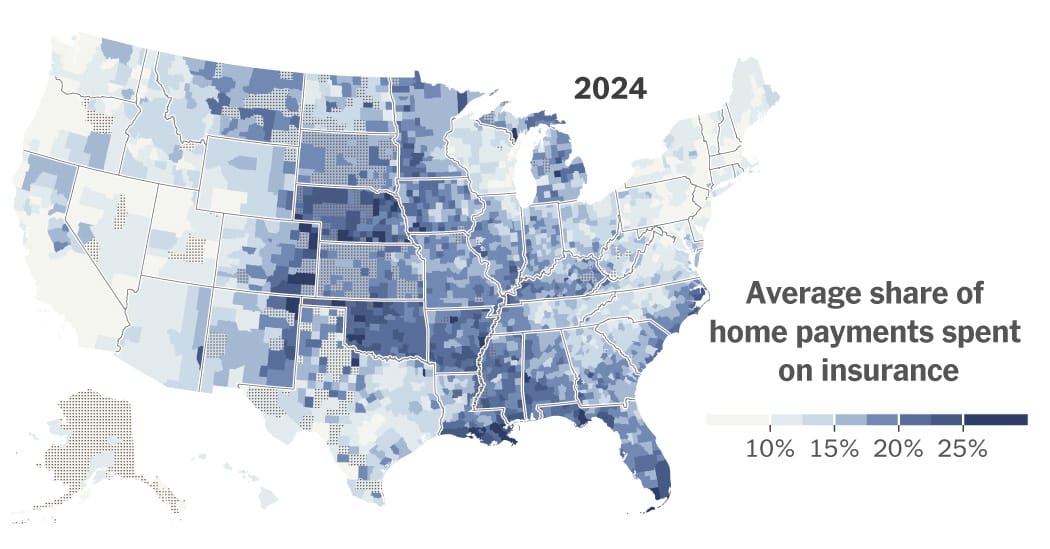
A surge in home insurance premiums is reshaping housing markets across the country, hitting disaster‑prone regions the hardest. From Louisiana to Colorado and California, deals are collapsing, buyers are backing out, and home values are dropping as insurance becomes a central affordability hurdle. New data shows climate‑driven risk repricing and soaring reinsurance costs are stripping tens of thousands of dollars from property values, forcing some homeowners to sell at a loss—or go uninsured altogether.
After years of sluggish activity, the National Association of REALTORS predicts 2026 could mark the long‑awaited rebound for the housing market. With a projected 14% jump in home sales, steadier rates near 6%, and rising buyer activity, NAR economists say momentum is already building. Early signs—like a 31% surge in mortgage applications, continued job growth, and stabilizing prices—suggest a stronger, more confident market ahead, creating fresh opportunities for both seasoned professionals and aspiring agents preparing to enter the field.
A surge of global capital is reshaping real estate heading into 2026, with investors shifting toward hands‑on strategies, cross‑border diversification, and high‑growth asset classes like data centers. Colliers’ 2026 Global Investor Outlook highlights rising confidence, improving liquidity, and a major pivot toward direct investing and value‑add opportunities. From office market rebounds to Asia Pacific’s rapid fundraising growth, the report outlines trends every real estate professional should understand as the industry enters a more dynamic, opportunity‑rich cycle.
Culver City just became the first place in California to legalize six‑story apartment buildings with only one staircase — a simple change that could reshape mid‑rise housing statewide. By freeing up as much as 7% more usable floor space, architects say single‑stair designs allow bigger units, more windows, and the kind of elegant layouts common in New York and Europe. If the city’s six‑year experiment succeeds, it may spark a broader rethinking of U.S. building codes and open the door to more flexible, affordable multifamily development across California.
Stratford homeowners are receiving their 2025 Notices of Assessment Change, marking the town’s first property revaluation since 2019. Officials emphasize that rising assessments do not equal higher tax bills, as a new mill rate won’t be set until spring 2026. Residents can challenge or review their updated valuations through informal hearings hosted by Vision Government Solutions, with appointments available for one week after receiving a notice.
New reporting reveals Florida homeowners now face an average insurance premium of $5,838 per year — nearly triple the national average. With skyrocketing rates, denied claims, and mounting non-renewals, residents are being pushed to tough financial decisions while lawmakers scramble to implement reforms. From retirees skipping coverage to families battling insurers for fair payouts, Florida’s insurance crisis is reshaping both the housing market and the daily lives of homeowners statewide.