Want Job Security in the Age of AI? Get a State License
Every generation has that one timeless piece of career advice. For the author of the original Guardian column, it came from a father who insisted on the power of becoming a certified public accountant. Not because the work was glamorous, but because it was stable. Taxes need filing. Finances need managing. And a state-issued license meant you could always put food on the table.
Today, in an era where artificial intelligence, automation and robotics continue to push boundaries, that same advice rings louder than ever: get a state license. Any license. In any profession. It remains one of the most effective forms of job protection we have.
Why Licensing Still Matters
Despite scrutiny from organizations like the Cato Institute and federal interest in reforming boards (read more), the reality remains unchanged: a state license creates opportunity, upward mobility and credibility.
Licensing validates competence through education, exams, and ongoing professional development. It signals to employers and clients that you’re not just trained — you’re vetted and accountable.
From beauticians to pharmacists, engineers to nurses, electricians to home inspectors, licensed professionals remain deeply insulated from the rapid automation affecting other fields. AI tools will certainly improve efficiency and reduce dangerous tasks, but they will still require trained, certified, licensed humans to operate, oversee and apply them.
The Rise of Licensed Trades in a Tech-Driven World
Tech isn’t replacing skilled trades — it’s supercharging them. Trade schools have seen enrollment rise more than 35% since 2020 according to Fox Business. Licensing across states has increased nearly 30% as more workers recognize that verified credentials unlock higher pay and job security (NCSL report).
And investors have taken notice. The Wall Street Journal reports private equity firms scooping up HVAC, plumbing and electrical companies — turning licensed contractors into unexpected millionaires.
Where Cameron Academy Fits In
For many professions — especially real estate, insurance, mortgage and finance — your career doesn’t begin without a state-approved license. Cameron Academy provides the education, exam prep and continuing education required to stay current, stay competitive and stay licensed in industries that AI will support — but not replace.
If stability, credibility and long-term earning potential matter, licensing is your foundation. We’re here to help you build it.
AI Won’t Replace Licensed Professionals — It Will Empower Them
Even in fields like accounting, where AI may soon handle tax prep, financial analysis and research, licensed professionals won’t become obsolete. Instead, they’ll become more valuable. AI can’t replace judgment, communication, empathy or ethical responsibility — core components of every licensed career.
Clients will assume their advisors, contractors and agents use the latest tech to do their work better. And they should. But they also trust that the person behind the tools is qualified by the state to guide them.
As the next tech boom rolls in, the biggest winners will be those who do work with their hands and minds — supported by tools, not replaced by them.
And for that future, nothing prepares you better than a state license.
More Articles
Getting licensed or staying ahead in your career can be a journey—but it doesn’t have to be overwhelming. Grab your favorite coffee or tea, take a moment to relax, and browse through our articles. Whether you’re just starting out or renewing your expertise, we’ve got tips, insights, and advice to keep you moving forward. Here’s to your success—one sip and one step at a time!
Cybercrime in 2025 has evolved into a full‑scale service economy, with malware now available through subscription platforms that operate like mainstream tech businesses. Bitsight’s latest analysis reveals explosive growth in Malware‑as‑a‑Service tools, rising attacks across industries like healthcare, finance, tech, and real estate, and a surge in cross‑platform malware and supply‑chain exploits. For professionals in any licensed field, the message is clear: today’s digital landscape demands heightened vigilance, stronger identity security, and proactive defense against an increasingly organized underground threat environment.
A new proptech startup in the UAE, Gllit is redefining how property deals happen by removing agents, eliminating commissions, and integrating AI tools that let users create professional listings in seconds. With a fast, transparent, and direct-to-owner model, Gllit offers a glimpse into the future of global real estate — and a powerful case study for U.S. professionals preparing for tech-driven changes in the industry.
The 2026 housing market is shaping up to be a year of stability with a few surprises. Mortgage rates are expected to hold steady, home price growth is slowing, and yet ownership costs continue to rise due to soaring taxes and insurance. Meanwhile, renting is becoming more attractive as affordability improves and built‑to‑rent communities expand. This breakdown highlights the biggest trends ahead — and what they mean for buyers, sellers, and real estate professionals, especially in Florida.
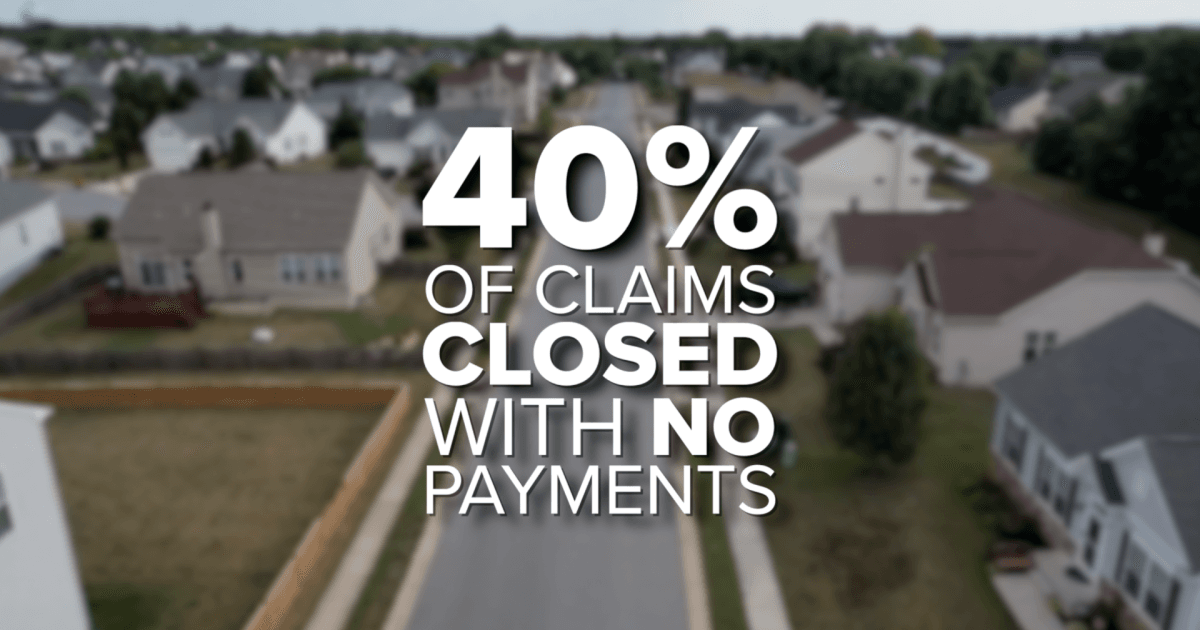
Florida homeowners are facing some of the highest insurance premiums in the nation, with average costs now topping $5,800 per year—about $3,000 above the U.S. average. Many residents report their rates have doubled or even tripled, while more than 40 percent of claims are closed with no payment. As frustration grows, state lawmakers and consumer advocates are pushing for transparency, rate caps, and incentives to help storm‑proof homes. The outcome of these reform efforts could reshape Florida’s real estate market, insurance landscape, and affordability for years to come.
A new global study from Risk.net and SAS reveals that many insurance companies are still making key decisions in isolated silos, despite industry-wide pushes toward data-driven strategies. While most leaders claim to have a clear vision, 38 percent admit they lack a real-time view of risks, revenue and costs. With poor data quality, limited collaboration and outdated processes holding teams back, experts say the industry is poised for a major transformation through AI, analytics and unified strategy—offering lessons for professionals across insurance, real estate, finance and other regulated fields.
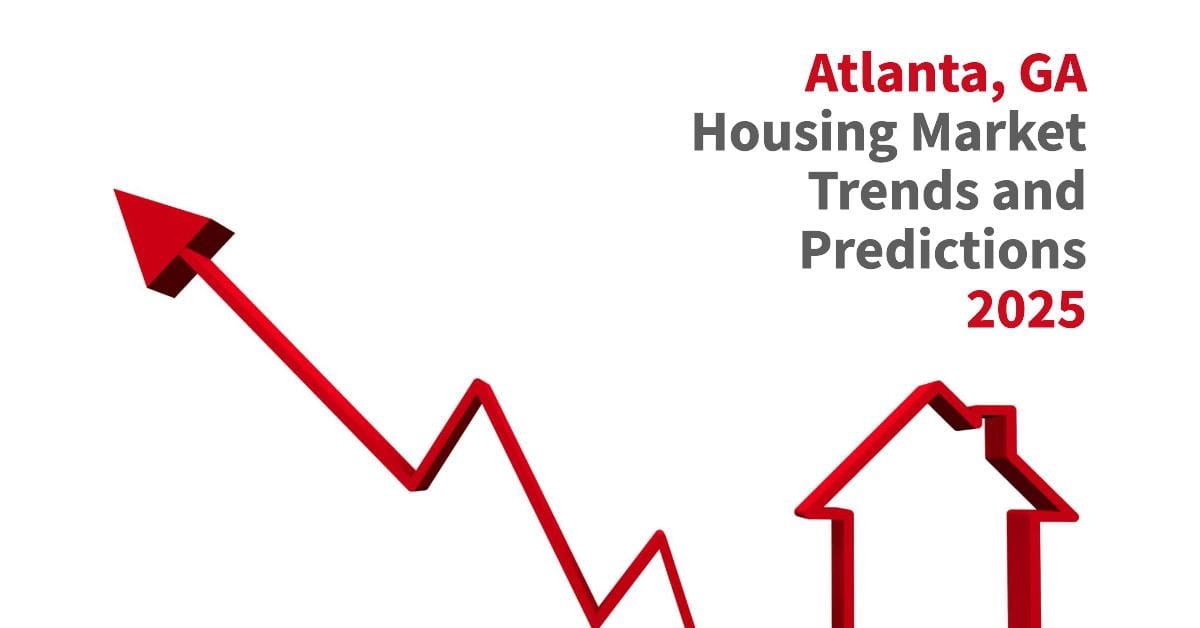
Atlanta’s housing market is shifting into a more balanced and predictable phase. Prices have leveled off, inventory has finally caught up, and mortgage rates are easing enough to bring buyers back into the game. With steady demand, growing listings, and only mild price corrections forecasted into 2026, Atlanta remains one of the Southeast’s strongest real estate markets for buyers, sellers, and investors alike.