Want Job Security in the Age of AI? Get a State License
Every generation has that one timeless piece of career advice. For the author of the original Guardian column, it came from a father who insisted on the power of becoming a certified public accountant. Not because the work was glamorous, but because it was stable. Taxes need filing. Finances need managing. And a state-issued license meant you could always put food on the table.
Today, in an era where artificial intelligence, automation and robotics continue to push boundaries, that same advice rings louder than ever: get a state license. Any license. In any profession. It remains one of the most effective forms of job protection we have.
Why Licensing Still Matters
Despite scrutiny from organizations like the Cato Institute and federal interest in reforming boards (read more), the reality remains unchanged: a state license creates opportunity, upward mobility and credibility.
Licensing validates competence through education, exams, and ongoing professional development. It signals to employers and clients that you’re not just trained — you’re vetted and accountable.
From beauticians to pharmacists, engineers to nurses, electricians to home inspectors, licensed professionals remain deeply insulated from the rapid automation affecting other fields. AI tools will certainly improve efficiency and reduce dangerous tasks, but they will still require trained, certified, licensed humans to operate, oversee and apply them.
The Rise of Licensed Trades in a Tech-Driven World
Tech isn’t replacing skilled trades — it’s supercharging them. Trade schools have seen enrollment rise more than 35% since 2020 according to Fox Business. Licensing across states has increased nearly 30% as more workers recognize that verified credentials unlock higher pay and job security (NCSL report).
And investors have taken notice. The Wall Street Journal reports private equity firms scooping up HVAC, plumbing and electrical companies — turning licensed contractors into unexpected millionaires.
Where Cameron Academy Fits In
For many professions — especially real estate, insurance, mortgage and finance — your career doesn’t begin without a state-approved license. Cameron Academy provides the education, exam prep and continuing education required to stay current, stay competitive and stay licensed in industries that AI will support — but not replace.
If stability, credibility and long-term earning potential matter, licensing is your foundation. We’re here to help you build it.
AI Won’t Replace Licensed Professionals — It Will Empower Them
Even in fields like accounting, where AI may soon handle tax prep, financial analysis and research, licensed professionals won’t become obsolete. Instead, they’ll become more valuable. AI can’t replace judgment, communication, empathy or ethical responsibility — core components of every licensed career.
Clients will assume their advisors, contractors and agents use the latest tech to do their work better. And they should. But they also trust that the person behind the tools is qualified by the state to guide them.
As the next tech boom rolls in, the biggest winners will be those who do work with their hands and minds — supported by tools, not replaced by them.
And for that future, nothing prepares you better than a state license.
More Articles
Getting licensed or staying ahead in your career can be a journey—but it doesn’t have to be overwhelming. Grab your favorite coffee or tea, take a moment to relax, and browse through our articles. Whether you’re just starting out or renewing your expertise, we’ve got tips, insights, and advice to keep you moving forward. Here’s to your success—one sip and one step at a time!
Skyrocketing insurance premiums and soaring rebuilding costs are transforming communities across Southwest Florida, especially in the wake of Hurricane Ian. As longtime residents struggle to keep up with rising financial pressure, wealthier newcomers and stricter building standards are reshaping the identity of places like Fort Myers Beach. With insurance rates now driving home sales, triggering potential foreclosures, and squeezing both owners and renters, Florida’s middle-class families face a growing question: can they afford to stay in the state they love?
Florida’s insurance industry is stabilizing fast, with nearly 1.6 million policies shifting from Citizens to private insurers and litigation dropping sharply. Regulators report stronger market confidence, decreasing premiums, and renewed competition—signaling one of the healthiest periods the state has seen in years.
A Leon County judge has ordered the restart of arbitration for Citizens Property Insurance claims, directly conflicting with a previous ruling that halted the process as potentially unconstitutional. With more than 400 cases now back in motion, real estate, insurance, and mortgage professionals can expect renewed activity in claim disputes and fresh uncertainty as Florida courts clash over the legality of Citizens’ arbitration system.
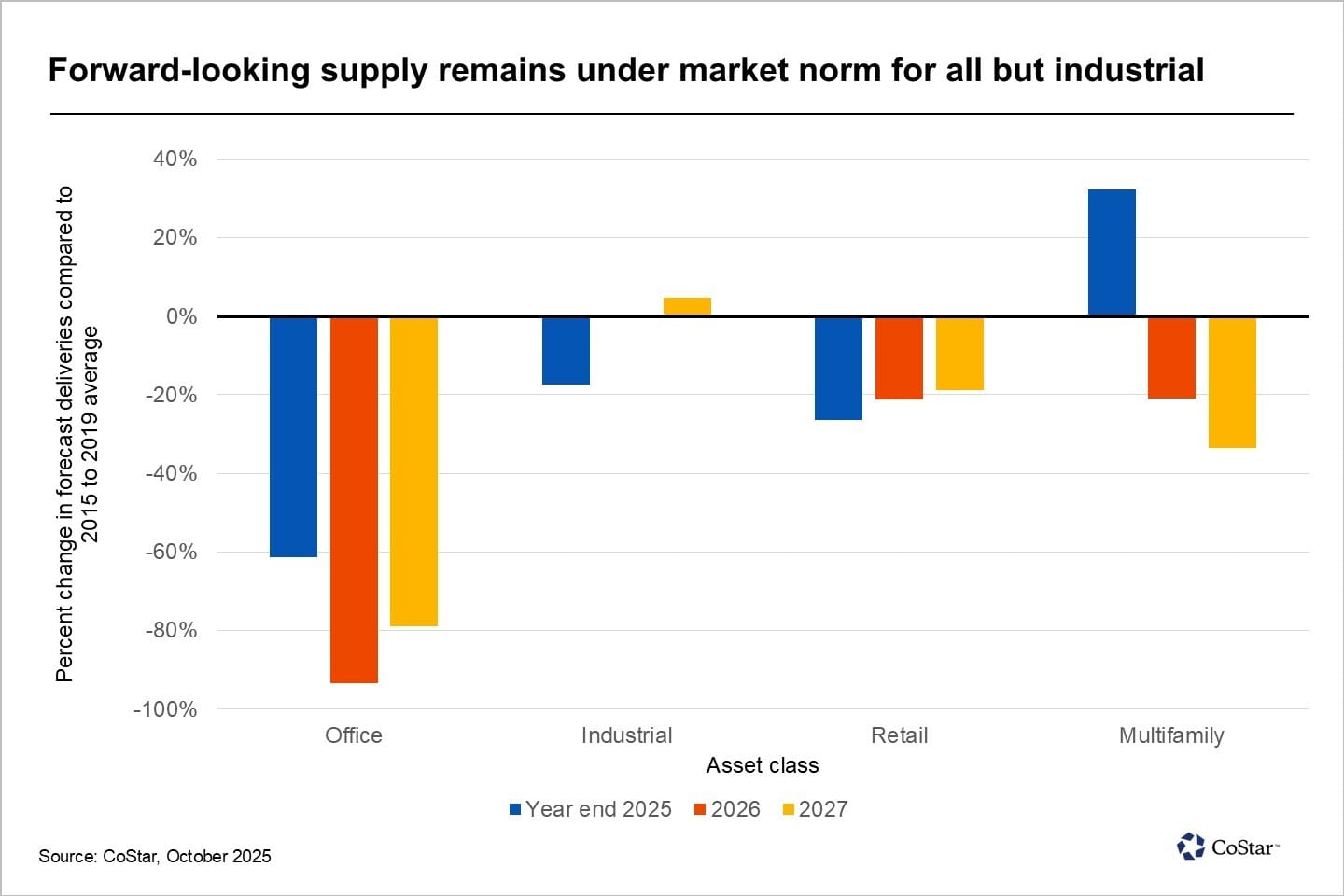
The DFW market is transitioning into a new construction phase marked by a slowdown in office development, a more selective approach to industrial projects, and an evolving housing landscape shaped by affordability and population growth. Developers are recalibrating their priorities, and for real estate professionals, understanding these shifts offers a critical edge in navigating—and capitalizing on—the next phase of the metroplex’s growth.
A new federal lawsuit claims Zillow pushed homebuyers toward Zillow Home Loans by rewarding affiliated agents with valuable leads — all without proper disclosure. The suit alleges undisclosed incentives, referral quotas, and potential RESPA violations, raising major concerns about steering, fiduciary duties, and Zillow’s expanding mortgage ambitions.
The mortgage industry is evolving fast, and the lenders who come out on top will be those who innovate without uprooting what already works. By building on strong technology foundations, streamlining workflows and adopting smart automation, lenders can reduce costs, improve customer experience and stay resilient in any market cycle. This article breaks down why innovation matters now, how a stable tech ecosystem protects lenders in volatile conditions and why small, strategic steps can drive long-term transformation.