Your Weekly CRE Pulse: Shutdown Shockwaves, Office Edges of Recovery, and America’s New STEM Powerhouses
The commercial real estate world hasn’t slowed down for a moment—and for professionals across real estate, mortgage, appraisal, and finance, staying plugged into the latest shifts is essential. This week’s roundup blends economic ripples from the federal shutdown, evolving office market realities, fresh insights from Altus Group’s Q3 research, and a national look at the markets being reshaped by STEM‑fueled demand.
Brought to you by the research team at Altus Group, here’s your curated, coffee‑ready breakdown. And if you’re building or upgrading your career in real estate, mortgage, or another licensed profession, Cameron Academy is here to help you earn your credentials with ease and confidence.
Shutdown Aftershocks Hit CRE Hard
The commercial real estate industry is still digging out from the 43‑day federal shutdown—and the backlog is unlike anything the sector has seen before. Bisnow reports that the shutdown cost the U.S. economy roughly $11 billion in lost GDP, with affordable housing developers facing frozen HUD loan processing and delayed voucher approvals. Hospitality wasn’t spared either: hotel operators reported $1.2B in lost revenue.
With another potential shutdown looming early next year and financing costs still rising, CRE leaders are racing to close deals quickly.
Read the full Bisnow report.
Chicago’s Loop Sees Values Slip 7.2%
Chicago’s iconic Loop is facing declining commercial property values—down 7.2% in just one year—paired with rising vacancies. Bloomberg highlights that shifting tax burdens forced Chicago homeowners to shoulder an additional $469.4 million in taxes.
Underfunded pensions and weakening commercial valuations are driving the trend.
Explore the data.
Ackman: “Now Isn’t the Time to Sell Fannie and Freddie”
Hedge fund billionaire Bill Ackman is urging caution as the federal government considers selling its stakes in Fannie Mae and Freddie Mac. Bloomberg reports Ackman’s stance: major steps—including exercising government warrants and relisting the GSEs on the NYSE—must come first.
While the Trump administration is eyeing a public offering as early as late 2025, many experts say the timeline is far too ambitious.
Full story here.
STEM Cities Are Supercharging CRE Demand
RCLCO’s latest STEM Job Growth Index confirms what many CRE analysts suspected: STEM hubs are setting the pace for future demand. Austin once again leads the nation, followed by Seattle, Raleigh, Denver, and Boston—with Dallas and Charlotte newly entering the top 10.
STEM employment has grown at twice the pace of non‑STEM jobs since 2019, boosting demand for office, lab, and R&D spaces.
View the report.
Office Recovery: A Tale of Two Realities
The Wall Street Journal reports that while a handful of districts in places like New York and San Francisco show true signs of recovery, most U.S. office markets remain stuck. Remote and hybrid work continue reshaping demand—breaking the traditional link between job growth and leasing activity.
With rising CMBS delinquencies and more properties being surrendered to lenders, the market remains fragmented yet full of opportunity, especially with conversion projects gaining momentum.
Read the article.
Altus Insights: Q3 2025 CRE Signals Show Momentum
Altus Group’s newly released Q3 2025 Investment and Transactions Quarterly provides a data-rich snapshot of a market quietly building momentum:
45,893 non-distressed property transactions Up 12.6% quarter‑over‑quarter and 6.8% year‑over‑year
$150.6B in total transaction volume Up 23.7% QoQ and 25.1% YoY
Median price per square foot Up 2.9% QoQ and 14.2% YoY
Top performing sectors:
Hospitality (+4.3% QoQ), Multifamily (+3.5% QoQ), Automotive (+19.4% YoY), Other industrial (+18.1% YoY)
Or listen to the Altus CRE Exchange podcast exploring whether this quarter marks the beginning of a CRE turnaround:
Listen here.
Looking Ahead
The commercial real estate landscape continues evolving—from shutdown-driven backlogs to STEM-powered markets and a split office recovery. Whether you’re investing, developing, managing, or preparing for your next professional milestone, staying informed is your edge.
And if that next step includes earning or upgrading a real estate, mortgage, or professional license, Cameron Academy is ready with flexible formats, modern curriculum, and a mission to help you grow with confidence.
More Articles
Getting licensed or staying ahead in your career can be a journey—but it doesn’t have to be overwhelming. Grab your favorite coffee or tea, take a moment to relax, and browse through our articles. Whether you’re just starting out or renewing your expertise, we’ve got tips, insights, and advice to keep you moving forward. Here’s to your success—one sip and one step at a time!
Florida now holds the highest foreclosure rate in the country, and Tampa sits at the center of the surge. With one in every 1,373 homes facing foreclosure, skyrocketing insurance premiums, rising housing costs and reduced equity are pushing many homeowners—especially those who purchased between 2020 and 2023—into financial distress. While some experts view the spike as a market “normalization,” professionals in real estate and finance are watching closely as Tampa’s backlog clears and pressure continues to build across the state.
Two former 3M campuses in Northwest Austin are set for a dramatic rebirth as Karlin Real Estate pushes forward with plans for Highpoint 2222 and the Duval site. The vision includes office and lab space, up to 65,000 square feet of retail, more than 1,200 multifamily homes, and new green space. With over 500 residents weighing in through the 2222 Coalition of Neighborhood Associations, traffic, density, and environmental protections are shaping the final blueprint. As office demand cools, mixed‑use development is becoming the new normal—positioning this corridor for one of the biggest transformations Austin has seen in years.
Despite constant headlines about a “housing crisis,” many economists and industry professionals argue the reality is more nuanced. In many regions, the issue isn’t a lack of homes but a mismatch between what’s available and what buyers want or can afford. As demographic shifts and remote work reshape demand, the market is evolving—not collapsing—creating opportunities for real estate, mortgage, insurance, and finance professionals who understand the difference between perception and reality.
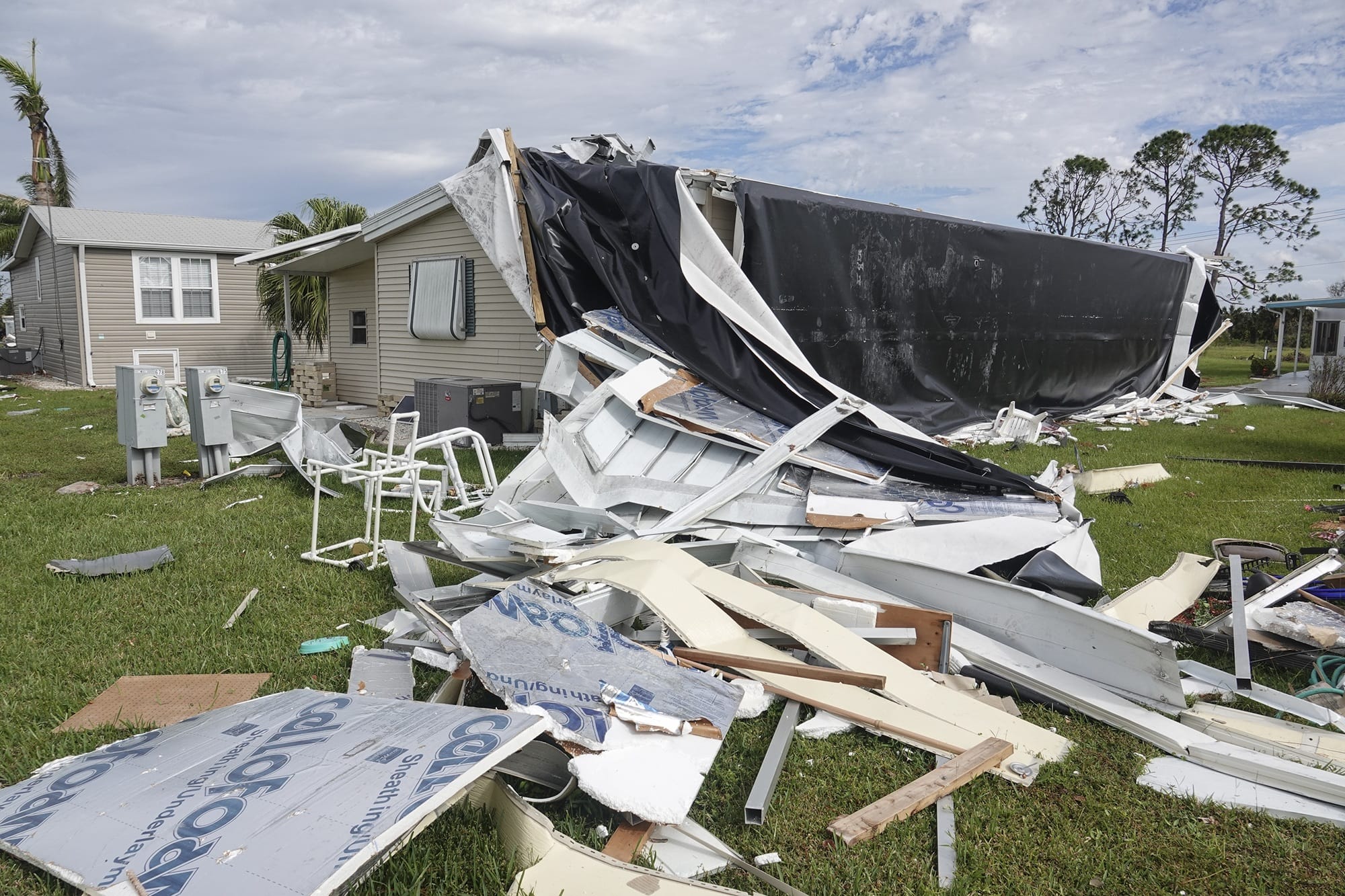
Hurricane Ian’s aftermath has exposed a growing affordability crisis across Southwest Florida. Skyrocketing insurance premiums, soaring construction costs, and rapid gentrification are making it harder for long‑time residents and middle‑class families to stay in their communities. From Fort Myers Beach to inland neighborhoods, homeowners, renters, and small businesses are feeling the pressure as rising costs reshape the region’s housing market and push many to reconsider their future in the state.
Florida’s home insurance market is facing its biggest credibility crisis in years. Despite major reforms meant to stabilize the system, homeowners are being pushed from Citizens into higher‑priced private insurers, many tied to companies that previously collapsed. Questionable financial ratings, high claim‑denial rates, and luxury‑level executive payouts are raising red flags across the state. For real estate and insurance professionals, this unstable landscape is reshaping home affordability, buyer confidence, and long‑term risk in Florida’s property market.
A new Michigan House bill aims to let licensed professionals complete all continuing education requirements online, offering greater flexibility for workers juggling rural travel, multiple jobs, or family demands. Supporters say the reform maintains high professional standards while removing unnecessary barriers, with regulators backing the shift and in‑person options remaining available.