When Luxury Meets Learning: VR Takes Miami’s Real Estate Market to the Next Level
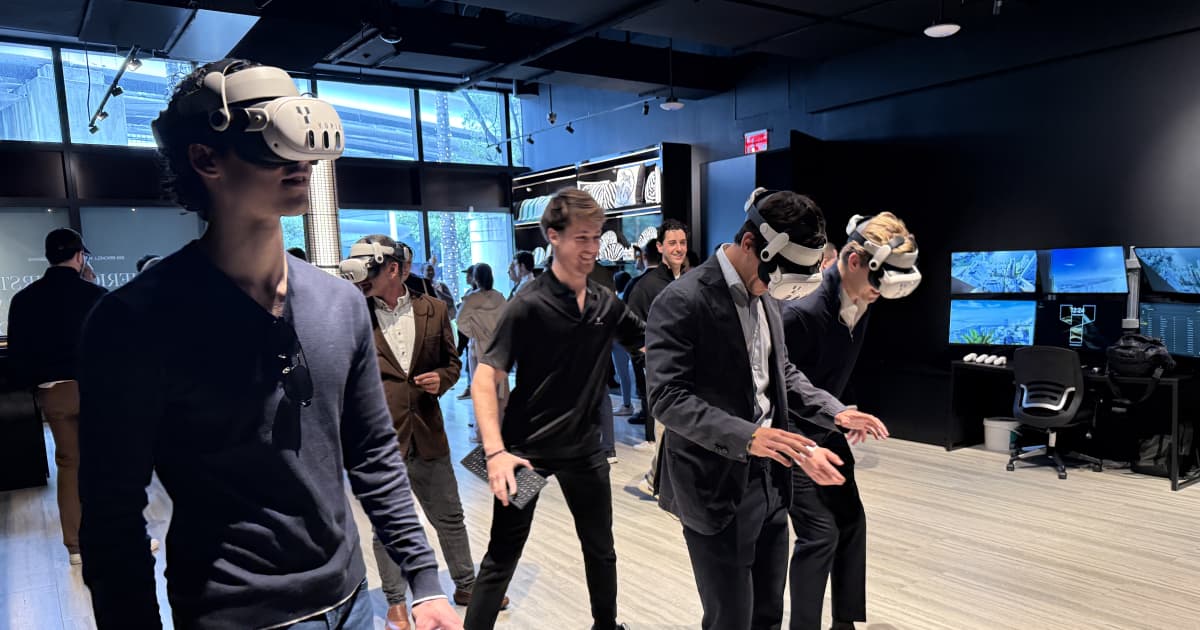
South Florida’s luxury real estate scene has never been shy about embracing the extraordinary — but this time, it’s not a penthouse view or a private concierge turning heads. It’s virtual reality. And for a group of ambitious real estate master’s students, the groundbreaking technology behind the upcoming Dolce & Gabbana tower in Miami offered a rare, up-close look at how high‑end development is evolving.
As part of a hands‑on learning experience, students stepped inside a fully immersive VR simulation of the under‑construction tower — a technological masterpiece already redefining the ultra‑luxury market. With over $1 million invested into its development, this VR system allows potential buyers to explore expansive floor plans, examine finishes, and take in Miami’s panoramic vistas long before the first wall is built.
“People Are Buying Experience and Emotion”
Elliot Lee, the project’s sales director, emphasized that VR isn’t just a tool — it’s a transformation in philosophy. “People are buying experience and emotion as much as they are buying an investment,” he said. “This puts them inside that experience before the building even exists.”
This shift matters enormously in South Florida, where ultra‑luxury towers compete not only in amenities but in sensory experiences and emotional connection.
A Real‑World Lesson for Future Professionals
Beyond the glamorous visuals and polished interior concepts, students also explored the real business mechanics behind luxury development. FIU Business adjunct professor Clay Dickenson highlighted the importance of bridging classroom learning with real‑world application.
“They can see the marketing, the production value and the numbers that go into a project like this,” Dickenson explained. “It connects what they learn in class to what actually happens in the real world.”
Professional education providers — including industry‑focused schools like Cameron Academy — understand how vital this bridge is. Modern real estate professionals need more than contract knowledge; they need fluency in technology, branding strategy, and market psychology. Experiences like these show exactly where the future of the industry is heading.
The Rise of Branded Residences
The Dolce & Gabbana tower represents a powerful trend reshaping Miami’s luxury skyline: the rapid expansion of branded residences. These homes merge traditional high‑end condo living with the prestige of world-renowned brands — offering curated design, luxe amenities, and a lifestyle narrative buyers instantly recognize.
Driven by remote work, seasonal migration, and heightened demand for service‑rich living, branded residences have become a defining staple of Miami’s luxury identity. VR technology accelerates this momentum by allowing developers to present the full “brand world” before breaking ground.
Luxury, Technology, and the Future of the Industry
For students, developers, and real estate professionals alike, the message is unmistakable: technology is no longer an accessory — it’s a foundation. Success in the evolving real estate market will require mastery of digital tools, experiential marketing, and high‑end consumer expectations, alongside traditional industry knowledge.
Those looking to strengthen or expand their real estate careers — especially in fast‑growing states like Florida — can get ahead by aligning with institutions that embrace innovation. This is where Cameron Academy continues to serve as a trusted partner, providing adaptive education for the next generation of market leaders.
Getting licensed or staying ahead in your career can be a journey—but it doesn’t have to be overwhelming. Grab your favorite coffee or tea, take a moment to relax, and browse through our articles. Whether you’re just starting out or renewing your expertise, we’ve got tips, insights, and advice to keep you moving forward. Here’s to your success—one sip and one step at a time!
President Trump recently suggested mortgage rates will drop “a lot lower” by early 2026, sparking industry-wide curiosity — but current economic data tells a more measured story. With today’s 30‑year fixed hovering near 6.25%, experts say meaningful declines remain possible, though not guaranteed, and would depend on softer inflation, weaker economic signals, or a shift in bond market behavior. While political comments created headlines, analysts emphasize that only market conditions — not rhetoric — can drive rates down. Independent forecasts already point toward mid‑5% rates by 2026, offering a potentially healthier landscape for buyers, agents, and mortgage professionals preparing for the next cycle.
Artificial intelligence has moved from a futuristic concept to a central force driving today’s mortgage industry. From smarter underwriting to enhanced borrower experiences and tighter compliance, AI is transforming every corner of mortgage lending. As expectations rise and competition accelerates, AI literacy is no longer optional — it’s a core skill every mortgage, real estate and finance professional must master to stay relevant and lead confidently.
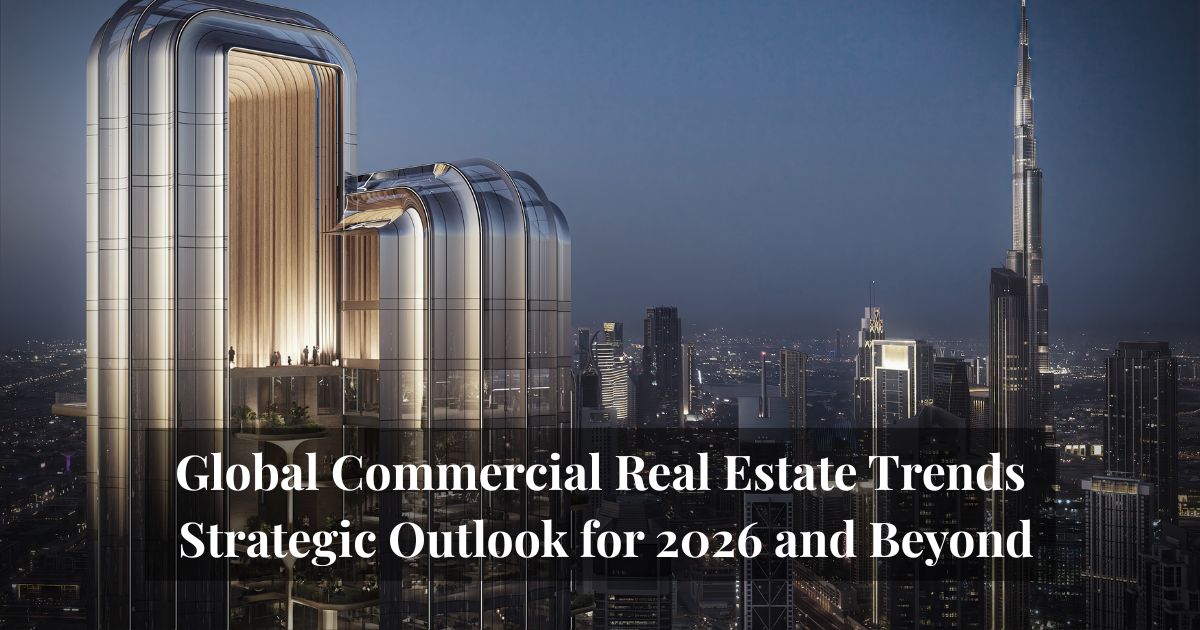
Global commercial real estate is shifting away from short-term recovery cycles and entering a long-term transformation driven by technology, sustainability, demographic change, and evolving work‑life patterns. Capital is becoming more selective, favoring resilient assets and alternative lenders, while high‑demand sectors such as industrial, logistics, data infrastructure, and specialized residential continue to outperform. Geography, sustainability standards, and flexibility are emerging as defining forces for the next cycle, signaling major opportunities—and challenges—for real estate professionals preparing for the future.
Artificial intelligence has moved from hype to essential infrastructure in the real estate world. From smarter valuations and predictive analytics to automated lead generation and personalized property-matching tools, AI is transforming how agents, brokers, lenders, and managers operate. As top platforms like Zillow, Redfin, Opendoor, and dozens more integrate deep‑learning technology, professionals across real estate, mortgage, insurance, and finance are being pushed to adapt. The future belongs to those who embrace these tools — and use them to elevate speed, accuracy, and client experience.
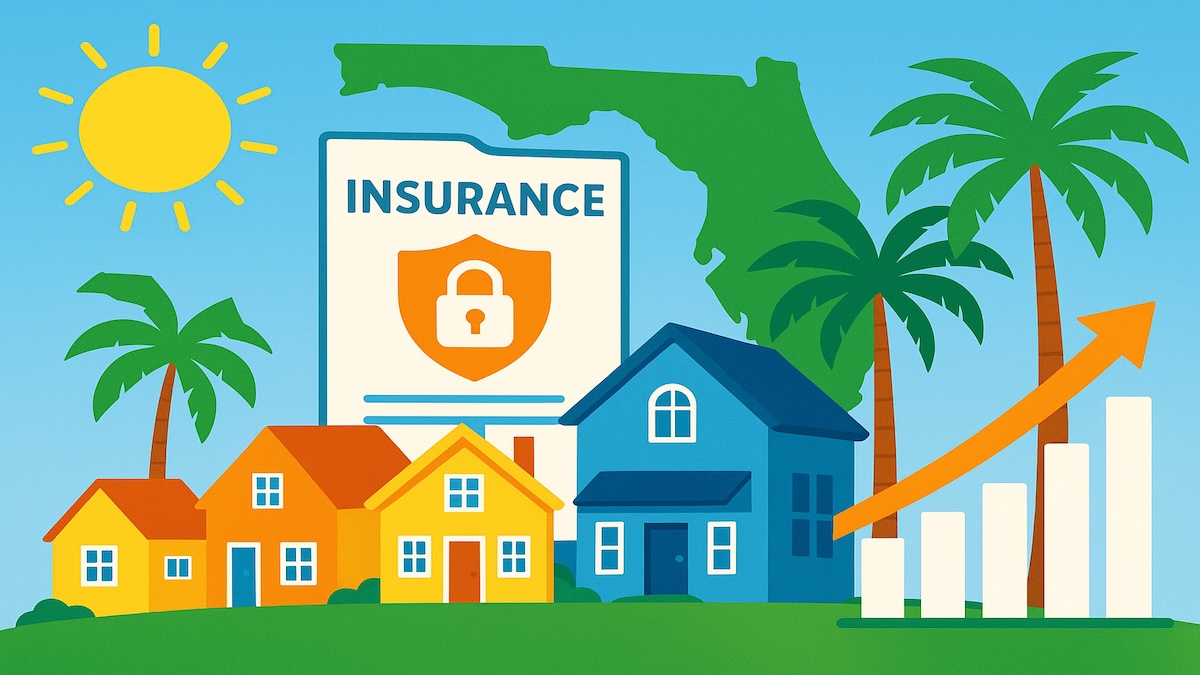
Florida’s once‑troubled property insurance market has staged an impressive recovery after its near‑collapse in 2022. A new ALIRT Insurance Research report shows that legislative reforms, tighter underwriting and the arrival of new insurers have restored stability, reduced Citizens’ policy load and revived industry confidence. While risks remain, the rebound is reshaping housing affordability and creating fresh opportunities for real estate, mortgage and insurance professionals.
A new bill gaining momentum in Tallahassee would stop insurers from denying claims based solely on artificial intelligence. Championed by Rep. Hillary Cassell, the proposal aims to restore trust in Florida’s troubled insurance market by ensuring human oversight in decisions that affect homeowners, newcomers, and industry professionals. As debates intensify, experts warn AI is reshaping insurance faster than ever—making it critical for real estate, mortgage, and insurance professionals to understand the regulatory shifts ahead.