Where America Is Building the Most Homes in 2026 — And Why It Matters to Your Career
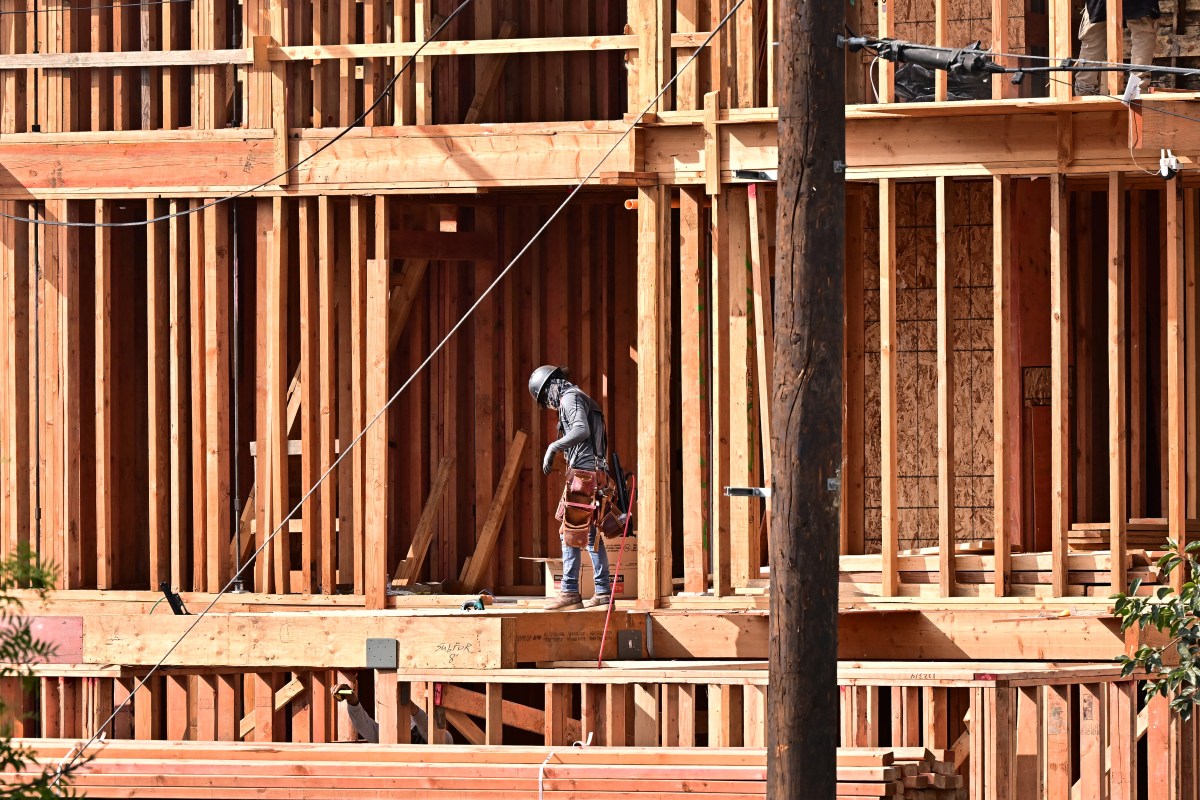
Construction site framing

The U.S. housing market sits in a rare paradox. Listings linger longer, affordability is strained, and buyers are stepping back—yet the nation remains short nearly 2.8 million homes, according to J.P. Morgan. Two realities coexist: more homes on the market than last year, but still nowhere near enough to meet growing demand.

This tension continues to shape affordability, mobility, and economic opportunity. And in 2026, the states picking up the slack are the same ones that have dominated the past several years—especially Florida and Texas.

Explore the Original Report

Newsweek’s full breakdown reveals which states are leading America’s construction boom, including expert insights and regional projections shaping 2026.

Read the original Newsweek article

Florida and Texas: America’s Construction Powerhouses

Since the pandemic, Florida and Texas have consistently driven the bulk of U.S. homebuilding. According to the latest Census Bureau data, Texas authorized over 145,000 housing units from January through August, while Florida followed with more than 123,000. Together, they form the engine powering the next era of American housing.

The broader South accounted for more than half of all new permits nationwide. The West followed—notably Phoenix, Salt Lake City, and parts of Nevada—while the Northeast and coastal California faced tightening inventory driven by high costs and restrictive zoning.

Redfin Chief Economist Daryl Fairweather told Newsweek that builders across the South, West, and parts of the Midwest will remain the “backbone of national housing” in 2026. But she also warned: apartment construction is slowing, which could tighten rental markets further.

What This Inventory Surge Means for Buyers and Pros

More inventory usually gives buyers more negotiating power—yet the improvement will be slow. With many homeowners locked into ultra-low mortgage rates, a growing segment is opting to renovate rather than move.

Still, Redfin predicts a “Great Reset” in 2026: more homes on the market, more transactions, and a gradual unwinding of the gridlock that has defined the past few years.

Policy Changes That Could Reshape the Market

President Donald Trump has pledged bold action to expand housing supply—from opening federal land for development to pushing wide-scale affordability reforms. However, mass deportation plans may reduce labor capacity in construction, where immigrants make up one in four workers.

The bipartisan Housing for the 21st Century Act (HR 6644) aims to simplify zoning, modernize building standards, and accelerate approvals. Industry leaders overwhelmingly support the bill, calling it a much‑needed modernization of America’s outdated housing framework.

Why This Matters to Real Estate Professionals

Florida’s construction surge is especially meaningful for anyone in real estate, mortgage lending, appraisal, insurance, or development. More construction means:

• more listings • more transactions • more financing opportunities • more demand for trained professionals

For new professionals entering the industry—or seasoned agents upgrading their credentials—this is a prime moment to prepare for the next wave of inventory.

Cameron Academy, Florida’s trusted real estate school, continues to help thousands earn or elevate their professional licenses. As the state builds at record volume, the need for skilled, licensed experts only grows.

Grow Your Career With Cameron Academy

As Florida leads the nation in new home construction, now is the perfect time to strengthen your real estate, mortgage, or insurance career.

Explore licensing and CE courses

More Articles

Getting licensed or staying ahead in your career can be a journey—but it doesn’t have to be overwhelming. Grab your favorite coffee or tea, take a moment to relax, and browse through our articles. Whether you’re just starting out or renewing your expertise, we’ve got tips, insights, and advice to keep you moving forward. Here’s to your success—one sip and one step at a time!

Real Estate Agents Embrace AI — But Confidence and Training Lag Behind

A new national survey shows that while most real estate agents now use AI for everyday tasks like writing listing descriptions and social posts, many remain uneasy trusting the technology with higher‑stakes responsibilities. Agents report major time savings and better communication thanks to AI, but lingering concerns about accuracy, compliance and data interpretation reveal a growing skills gap. The industry’s next big need: stronger AI tools, clearer standards and hands‑on training — a gap education providers like Cameron Academy are poised to fill.

Florida’s Property Insurance Crisis Is Spiraling—and Lawmakers Are Looking the Other Way

Florida homeowners and real estate professionals are being crushed by skyrocketing insurance premiums, shrinking coverage, and a claims system stacked against consumers. While residents face the highest insurance costs in the nation, meaningful reform bills are being ignored in Tallahassee, leaving families, businesses, and the entire real estate market exposed.

AI Forces Real Estate to Finally Fix Its Broken Data Systems

Artificial intelligence is exposing the real estate industry's biggest weakness: fragmented, inconsistent data scattered across disconnected systems. Unlike finance and e‑commerce, real estate never built a unified digital foundation—and now AI can’t function without one. As companies scramble to standardize information, organizations like OSCRE are pushing shared data models that could transform everything from leasing to property management. The result may be the industry’s most collaborative era yet, where clean, interoperable data becomes the key to unlocking AI’s full power.

Off‑Market Deals and Investor Demand Are Rewriting Residential Real Estate

Off‑market networks, rising small‑investor buying, regulatory shifts, and intensifying portal competition are reshaping how homes are found and sold. With inventory tight and traditional listings declining, agents who understand investor behavior, private deal flow, and evolving rules are gaining a major edge in today’s fast‑changing housing landscape.

Florida Homeowners Insurance Hits a “New Normal” as Costs Stay Painfully High

Despite state leaders celebrating stabilization, Florida homeowners continue to face some of the highest insurance premiums in the country. Local experts say rates have stopped skyrocketing but have settled at levels that feel permanently elevated—especially for older or coastal homes. With insurers still avoiding high‑risk areas and demanding costly home upgrades, many Floridians are questioning whether this expensive reality is here to stay.

New California Bill Would Require Insurers to Cover Homes Built to Wildfire‑Safety Standards

California is pushing a landmark proposal that would force insurers to offer coverage to homeowners who meet state‑approved wildfire‑mitigation standards. The new SB 1076, known as the Insurance Coverage for Fire‑Safe Homes Act, aims to stabilize the state’s distressed insurance market by guaranteeing coverage for fire‑hardened homes starting in 2028—backed by strict penalties for insurers who refuse. As supporters rally and critics warn of market strain, the bill could reshape real estate, insurance, and lending practices across wildfire‑prone regions.








