Where America Is Building the Most Homes in 2026 — And Why It Matters to Your Career
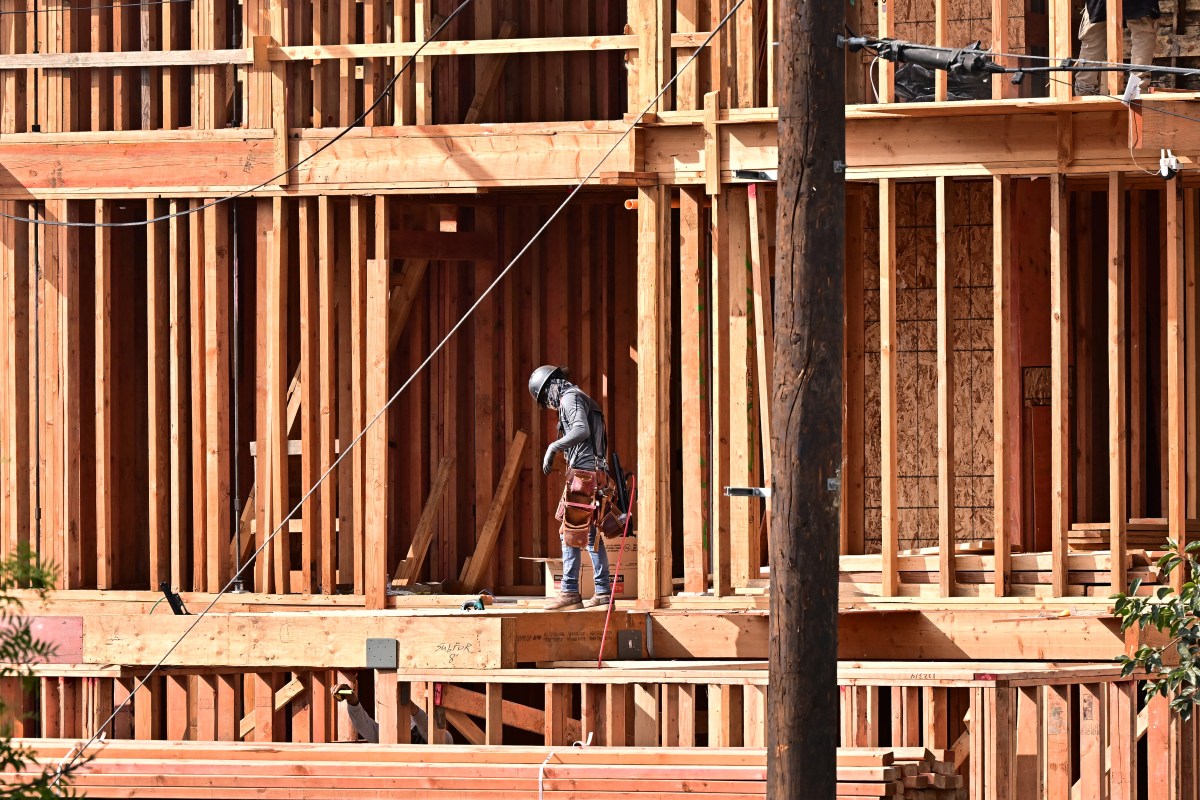
Construction site framing

The U.S. housing market sits in a rare paradox. Listings linger longer, affordability is strained, and buyers are stepping back—yet the nation remains short nearly 2.8 million homes, according to J.P. Morgan. Two realities coexist: more homes on the market than last year, but still nowhere near enough to meet growing demand.

This tension continues to shape affordability, mobility, and economic opportunity. And in 2026, the states picking up the slack are the same ones that have dominated the past several years—especially Florida and Texas.

Explore the Original Report

Newsweek’s full breakdown reveals which states are leading America’s construction boom, including expert insights and regional projections shaping 2026.

Read the original Newsweek article

Florida and Texas: America’s Construction Powerhouses

Since the pandemic, Florida and Texas have consistently driven the bulk of U.S. homebuilding. According to the latest Census Bureau data, Texas authorized over 145,000 housing units from January through August, while Florida followed with more than 123,000. Together, they form the engine powering the next era of American housing.

The broader South accounted for more than half of all new permits nationwide. The West followed—notably Phoenix, Salt Lake City, and parts of Nevada—while the Northeast and coastal California faced tightening inventory driven by high costs and restrictive zoning.

Redfin Chief Economist Daryl Fairweather told Newsweek that builders across the South, West, and parts of the Midwest will remain the “backbone of national housing” in 2026. But she also warned: apartment construction is slowing, which could tighten rental markets further.

What This Inventory Surge Means for Buyers and Pros

More inventory usually gives buyers more negotiating power—yet the improvement will be slow. With many homeowners locked into ultra-low mortgage rates, a growing segment is opting to renovate rather than move.

Still, Redfin predicts a “Great Reset” in 2026: more homes on the market, more transactions, and a gradual unwinding of the gridlock that has defined the past few years.

Policy Changes That Could Reshape the Market

President Donald Trump has pledged bold action to expand housing supply—from opening federal land for development to pushing wide-scale affordability reforms. However, mass deportation plans may reduce labor capacity in construction, where immigrants make up one in four workers.

The bipartisan Housing for the 21st Century Act (HR 6644) aims to simplify zoning, modernize building standards, and accelerate approvals. Industry leaders overwhelmingly support the bill, calling it a much‑needed modernization of America’s outdated housing framework.

Why This Matters to Real Estate Professionals

Florida’s construction surge is especially meaningful for anyone in real estate, mortgage lending, appraisal, insurance, or development. More construction means:

• more listings • more transactions • more financing opportunities • more demand for trained professionals

For new professionals entering the industry—or seasoned agents upgrading their credentials—this is a prime moment to prepare for the next wave of inventory.

Cameron Academy, Florida’s trusted real estate school, continues to help thousands earn or elevate their professional licenses. As the state builds at record volume, the need for skilled, licensed experts only grows.

Grow Your Career With Cameron Academy

As Florida leads the nation in new home construction, now is the perfect time to strengthen your real estate, mortgage, or insurance career.

Explore licensing and CE courses

More Articles

Getting licensed or staying ahead in your career can be a journey—but it doesn’t have to be overwhelming. Grab your favorite coffee or tea, take a moment to relax, and browse through our articles. Whether you’re just starting out or renewing your expertise, we’ve got tips, insights, and advice to keep you moving forward. Here’s to your success—one sip and one step at a time!

How AI Is Forcing Real Estate to Finally Clean Up Its Data Chaos

Artificial intelligence is speeding ahead, but real estate is discovering a hard truth: AI can’t work well on messy, inconsistent, and siloed data. Unlike finance or e‑commerce, the industry has never agreed on shared definitions or standardized frameworks, making it difficult for AI tools to interpret information at scale. Now, leaders across real estate are realizing that the real breakthrough won’t come from smarter algorithms—it will come from finally unifying the industry’s fragmented data so AI can deliver its full value.

The Waldorf Astoria Sale Could Signal a Commercial Real Estate Comeback

Manhattan’s iconic Waldorf Astoria is hitting the market again—and its billion‑dollar price tag may reveal whether commercial real estate is finally recovering. After years of inflation, shutdowns, and stalled investment, new forecasts from major firms show growing optimism, making this sale a critical test for the 2026 market.

Florida Escrow Payments Are Surging as Insurance Costs Climb

Homeowners across Florida are facing sharp increases in their escrow payments as insurance premiums continue to rise. With insurers leaving the state, rates climbing, and replacement policies costing far more, many residents are experiencing sudden spikes in their monthly mortgage bills. These escalating insurance-driven escrow costs are reshaping affordability, influencing buyer qualifications, and redefining financial stability for Floridians and the broader real estate market.

The MLS Is Thriving — So Why Are Some Trying to Undermine It?

The modern MLS marketplace is one of real estate’s greatest success stories: transparent, efficient, and designed to help buyers and sellers win. But its very effectiveness has sparked a new risk — professionals looking to “stand out” by limiting exposure and restricting information. Research shows that full MLS visibility can boost a seller’s price by $50,000 to $75,000, yet off‑market tactics threaten to chip away at the system that delivers those gains. The MLS doesn’t need replacing; it needs thoughtful upgrades and well‑trained professionals who know how to protect and leverage its power.

Florida Escrow Payments Surge as Insurance Costs Upend Homeownership Affordability

Florida homeowners are being hit with a new kind of sticker shock as rising insurance premiums push escrow payments sharply higher, adding hundreds of dollars to monthly mortgage bills. The surge is reshaping budgets, impacting buyer qualification, and redefining affordability across the state. With insurers pulling back and premiums climbing faster than wages, both current owners and hopeful buyers must now navigate a market where insurance risk—not just home price—plays a major role in the true cost of living in the Sunshine State.

Florida’s Mobile Home Boom: What Insurers Want You to Know in 2026

Florida’s mobile and manufactured homes are surging in popularity, but insuring them requires specialized HO-7 coverage designed for structures built off-site and more vulnerable to wind and weather. With rising premiums, unique risks, and new 2026 market shifts, homeowners and industry professionals need to understand what these policies cover, what they don’t, which insurers are leading the pack, and how to save without sacrificing protection.