Where America Is Building the Most Homes in 2026 — And Why It Matters to Your Career
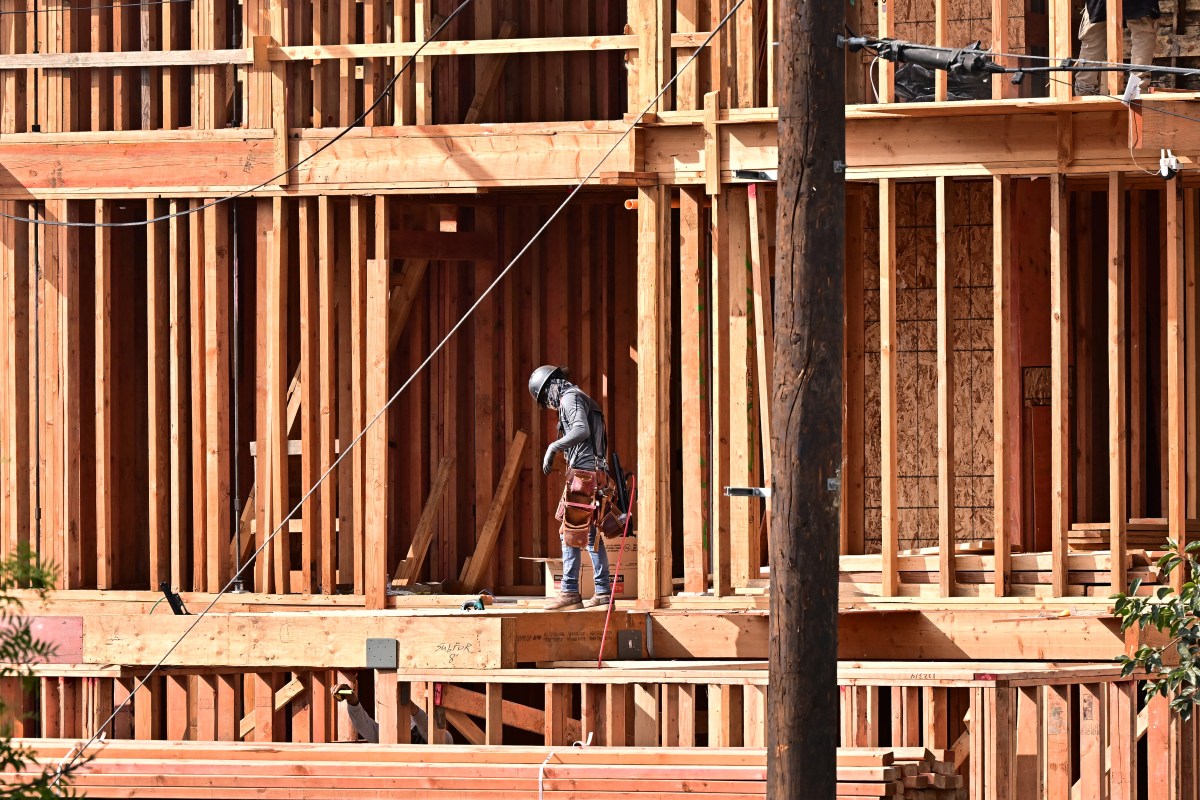
The U.S. housing market sits in a rare paradox. Listings linger longer, affordability is strained, and buyers are stepping back—yet the nation remains short nearly 2.8 million homes, according to J.P. Morgan. Two realities coexist: more homes on the market than last year, but still nowhere near enough to meet growing demand.
This tension continues to shape affordability, mobility, and economic opportunity. And in 2026, the states picking up the slack are the same ones that have dominated the past several years—especially Florida and Texas.
Explore the Original Report
Newsweek’s full breakdown reveals which states are leading America’s construction boom, including expert insights and regional projections shaping 2026.
Read the original Newsweek article
Florida and Texas: America’s Construction Powerhouses
Since the pandemic, Florida and Texas have consistently driven the bulk of U.S. homebuilding. According to the latest Census Bureau data, Texas authorized over 145,000 housing units from January through August, while Florida followed with more than 123,000. Together, they form the engine powering the next era of American housing.
The broader South accounted for more than half of all new permits nationwide. The West followed—notably Phoenix, Salt Lake City, and parts of Nevada—while the Northeast and coastal California faced tightening inventory driven by high costs and restrictive zoning.
Redfin Chief Economist Daryl Fairweather told Newsweek that builders across the South, West, and parts of the Midwest will remain the “backbone of national housing” in 2026. But she also warned: apartment construction is slowing, which could tighten rental markets further.
What This Inventory Surge Means for Buyers and Pros
More inventory usually gives buyers more negotiating power—yet the improvement will be slow. With many homeowners locked into ultra-low mortgage rates, a growing segment is opting to renovate rather than move.
Still, Redfin predicts a “Great Reset” in 2026: more homes on the market, more transactions, and a gradual unwinding of the gridlock that has defined the past few years.
Policy Changes That Could Reshape the Market
President Donald Trump has pledged bold action to expand housing supply—from opening federal land for development to pushing wide-scale affordability reforms. However, mass deportation plans may reduce labor capacity in construction, where immigrants make up one in four workers.
The bipartisan Housing for the 21st Century Act (HR 6644) aims to simplify zoning, modernize building standards, and accelerate approvals. Industry leaders overwhelmingly support the bill, calling it a much‑needed modernization of America’s outdated housing framework.
Why This Matters to Real Estate Professionals
Florida’s construction surge is especially meaningful for anyone in real estate, mortgage lending, appraisal, insurance, or development. More construction means:
• more listings
• more transactions
• more financing opportunities
• more demand for trained professionals
For new professionals entering the industry—or seasoned agents upgrading their credentials—this is a prime moment to prepare for the next wave of inventory.
Cameron Academy, Florida’s trusted real estate school, continues to help thousands earn or elevate their professional licenses. As the state builds at record volume, the need for skilled, licensed experts only grows.
Grow Your Career With Cameron Academy
As Florida leads the nation in new home construction, now is the perfect time to strengthen your real estate, mortgage, or insurance career.
Explore licensing and CE courses