Where Did Our Parents’ Florida Go? A Journey Through Sunshine, Sticker Shock, and a Changing Market
In the early 1970s, Florida felt like an undiscovered paradise for countless retirees. Imagine buying a brand‑new two‑bed, two‑bath condo overlooking a sparkling pool for just $20,000. That was the dream waiting for new arrivals escaping cold northern winters—affordable living, sunshine, and a sense of luxury that didn’t break the bank.
But fast forward to 2026, and the Florida your parents fell in love with has transformed into something far more complex. Higher expenses, wealthier incoming residents, and shifting development priorities have reshaped the state’s real estate landscape.
A Florida That Costs More Than Ever
Local residents don’t need a reminder that costs have surged. Insurance premiums, property taxes, and HOA fees have all risen sharply. Yet buyers keep coming—now with deeper pockets than the retirees of past generations.
IRS and Census Bureau data confirms that in many Florida counties, the income of new arrivals in 2022 surpassed that of long‑time residents. Meanwhile, many middle‑class Floridians are migrating to more affordable states like the Carolinas.
The Disappearing Affordable Option
Manufactured homes once served as Florida’s affordable safety net. Today, many of those communities have been bought by large corporations, often with future redevelopment in mind. Prices are rising, and the once‑attainable dream of simple retirement living grows farther out of reach.
Developers are doubling down on upscale construction. Look at Lakewood Ranch in Bradenton: a master‑planned community with everything from $200,000 townhomes to multimillion‑dollar estates. Between 2023 and 2025, sales only grew in two segments—homes above $1 million and those below $300,000—while the middle‑range options shrank dramatically.
The Wealth Migration and Its Ripple Effects
The influx of higher‑income buyers continues to strain available housing. In November 2025, the average Florida home value hovered around $372,000—a stunning leap from $246,000 in 2019.
The ultraluxury market has entered a world of its own. In 2025 alone, four Miami‑area real estate transactions exceeded $100 million, according to Miller Samuel. It’s a staggering contrast to the Florida of $20,000 condos.
Even Senior Living Comes With Sticker Shock
Naples, one of Florida’s most affluent communities, now offers senior living units starting at $600,000 and stretching into the $9 million range. Growing old in paradise requires a far heftier nest egg than in decades past.
The Rise of Home Price Betting
Platforms like Robinhood and Kalshi have introduced everyday consumers to home‑price betting. While entertaining, these tools can mislead buyers who confuse national betting trends with local market realities. Real estate is always local, and speculative platforms cannot replace expert guidance.
Would Our Parents Recognize This Florida?
If someone bought a condo in 1973 for $20,000, they’d hardly recognize today’s market. Change is inevitable—sometimes shockingly fast. Long‑time homeowners sit on incredible equity, while new retirees face a Florida that feels financially out of reach.
And if today’s Florida inspires you to enter real estate or elevate your professional credentials, Cameron Academy offers flexible, high‑quality licensing and continuing education for Florida professionals and learners across all 50 states. Your journey in this fast‑changing market can begin with knowledge—and we’re here to help you build it.
More Articles
Getting licensed or staying ahead in your career can be a journey—but it doesn’t have to be overwhelming. Grab your favorite coffee or tea, take a moment to relax, and browse through our articles. Whether you’re just starting out or renewing your expertise, we’ve got tips, insights, and advice to keep you moving forward. Here’s to your success—one sip and one step at a time!
A growing share of American homeowners now carry mortgage rates above 5%—a dramatic shift that’s reshaping refinancing, inventory, and buyer behavior nationwide. With more than 30% of borrowers locked into rates over 5% and 20% above 6%, the market is split between owners holding on to low pandemic‑era loans and new buyers taking on higher‑rate mortgages. Federal efforts to push rates down could unlock millions of refinancing opportunities, while buyers see only modest monthly savings. For real estate professionals, understanding these rate dynamics is crucial as they increasingly drive inventory levels, affordability, and market activity.
New Moody’s data shows commercial real estate deal volume slipped 20% in December, marking a second monthly decline. Yet the full year tells a different story: 2025 ended with a 17% gain, signaling a quiet but resilient recovery. The biggest surprise came from the office sector, which posted a 21% jump in activity as return‑to‑office trends and AI‑driven job growth boosted demand. Multifamily, retail, and alternative assets like data centers also saw strong momentum, giving real estate professionals a market full of fresh opportunities heading into 2026.
Florida drivers and industry professionals are heading into 2026 with good news: auto insurance rates are dropping across the state as the market shows strong signs of stabilization. USAA leads the latest wave with a 7% average rate decrease expected in May 2026, saving members more than $125 million annually. They join several major insurers — including State Farm, Progressive, AAA, Allstate, and Florida Farm Bureau — all approving significant reductions. Officials credit recent legislative reforms, especially tort reform, for the improved loss ratios and renewed insurer confidence. With both auto and home insurance markets strengthening, Florida’s real estate, mortgage, and insurance professionals can expect more consumer confidence, smoother transactions, and expanding career opportunities.
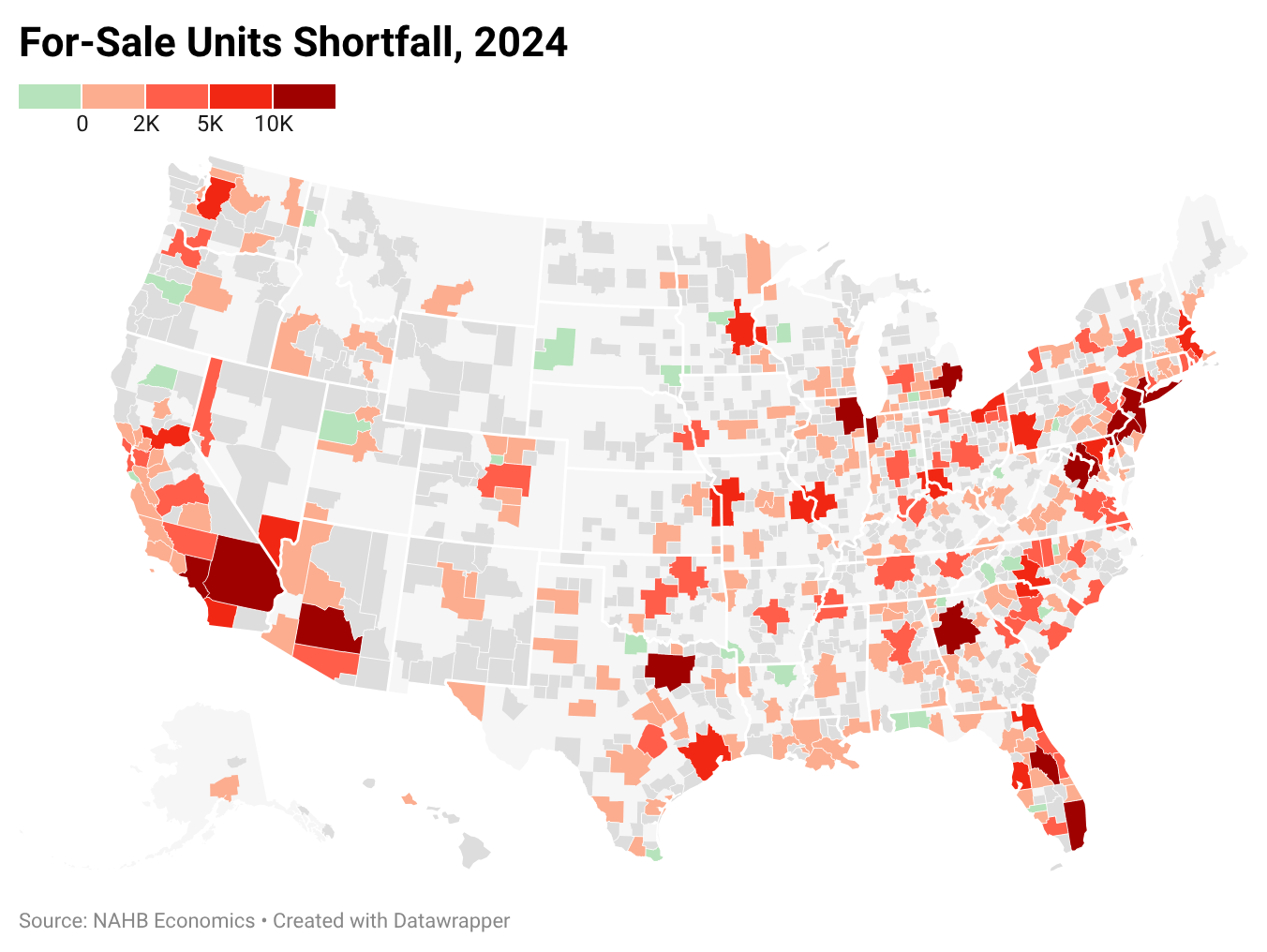
New data from Eye On Housing and the NAHB shows the U.S. remains short more than 1.2 million housing units, keeping pressure on both rents and home prices. Record‑low vacancy rates, slow single‑family construction, and restrictive zoning continue to fuel intense competition in 2024. Major metros like Chicago, New York, and Atlanta face some of the deepest deficits, and the true nationwide shortfall may be even higher when accounting for overcrowding and aging homes. For real estate professionals, the ongoing shortage means sustained demand, tighter inventory, and major opportunities for those who understand the evolving market.
Top real estate coach Jason Pantana says the divide between agents today isn’t about who has “tried” AI — it’s about who is immersed in it. In a new HousingWire interview, he explains why AI isn’t a gimmick but a full business system that amplifies output, improves authenticity, and reshapes how clients search for agents. From prompt mastery to AI‑driven visibility on Google, Pantana reveals how agents who commit even 15 minutes a day to learning AI are already outperforming those who hesitate.
Dallas–Fort Worth’s commercial real estate market closed 2025 with a split personality. Industrial dominated with massive new deliveries and soaring leasing demand, retail held steady with some of the market’s strongest fundamentals in years, and office continued to falter under remote‑work pressures. High vacancies, weak absorption, and rising demand for top‑tier space show the sector’s ongoing reset. Meanwhile, industrial and retail strength position the Metroplex for another powerhouse year heading into 2026.