Where Did Our Parents’ Florida Go? A Journey Through Sunshine, Sticker Shock, and a Changing Market
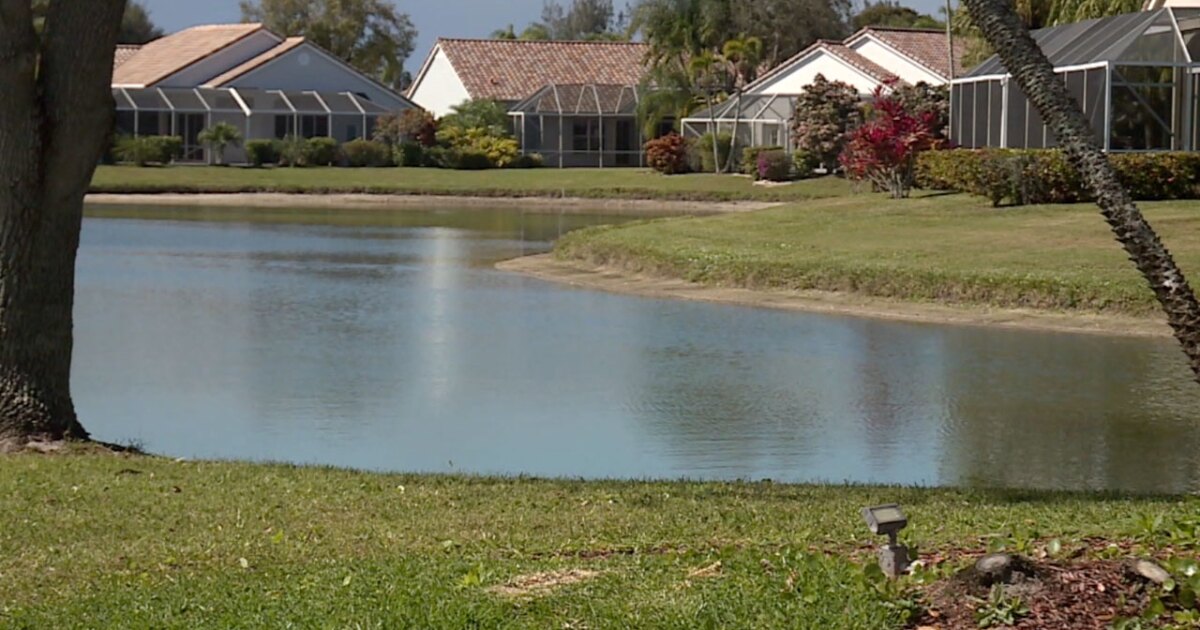
In the early 1970s, Florida felt like an undiscovered paradise for countless retirees. Imagine buying a brand‑new two‑bed, two‑bath condo overlooking a sparkling pool for just $20,000. That was the dream waiting for new arrivals escaping cold northern winters—affordable living, sunshine, and a sense of luxury that didn’t break the bank.
But fast forward to 2026, and the Florida your parents fell in love with has transformed into something far more complex. Higher expenses, wealthier incoming residents, and shifting development priorities have reshaped the state’s real estate landscape.
A Florida That Costs More Than Ever
Local residents don’t need a reminder that costs have surged. Insurance premiums, property taxes, and HOA fees have all risen sharply. Yet buyers keep coming—now with deeper pockets than the retirees of past generations.
IRS and Census Bureau data confirms that in many Florida counties, the income of new arrivals in 2022 surpassed that of long‑time residents. Meanwhile, many middle‑class Floridians are migrating to more affordable states like the Carolinas.
The Disappearing Affordable Option
Manufactured homes once served as Florida’s affordable safety net. Today, many of those communities have been bought by large corporations, often with future redevelopment in mind. Prices are rising, and the once‑attainable dream of simple retirement living grows farther out of reach.
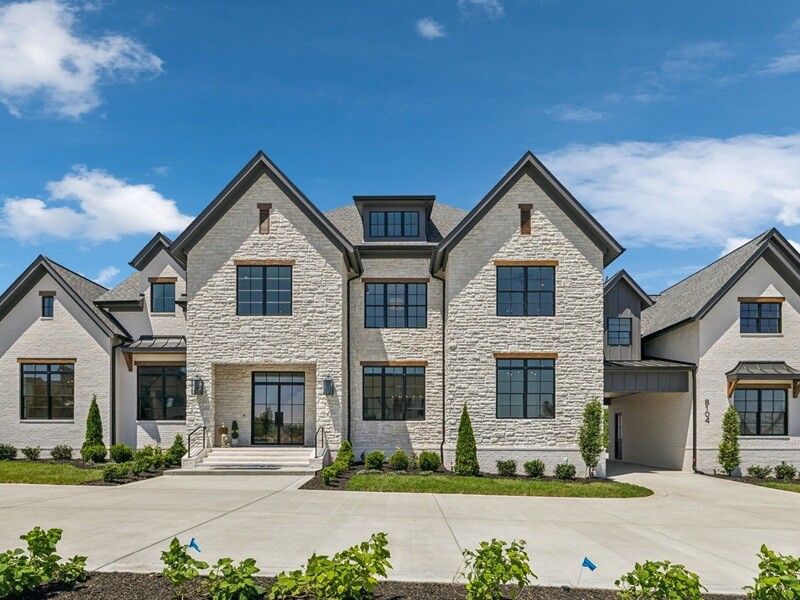
Developers are doubling down on upscale construction. Look at Lakewood Ranch in Bradenton: a master‑planned community with everything from $200,000 townhomes to multimillion‑dollar estates. Between 2023 and 2025, sales only grew in two segments—homes above $1 million and those below $300,000—while the middle‑range options shrank dramatically.
The Wealth Migration and Its Ripple Effects
The influx of higher‑income buyers continues to strain available housing. In November 2025, the average Florida home value hovered around $372,000—a stunning leap from $246,000 in 2019.
The ultraluxury market has entered a world of its own. In 2025 alone, four Miami‑area real estate transactions exceeded $100 million, according to Miller Samuel. It’s a staggering contrast to the Florida of $20,000 condos.
Even Senior Living Comes With Sticker Shock
Naples, one of Florida’s most affluent communities, now offers senior living units starting at $600,000 and stretching into the $9 million range. Growing old in paradise requires a far heftier nest egg than in decades past.
The Rise of Home Price Betting
Platforms like Robinhood and Kalshi have introduced everyday consumers to home‑price betting. While entertaining, these tools can mislead buyers who confuse national betting trends with local market realities. Real estate is always local, and speculative platforms cannot replace expert guidance.
Would Our Parents Recognize This Florida?
If someone bought a condo in 1973 for $20,000, they’d hardly recognize today’s market. Change is inevitable—sometimes shockingly fast. Long‑time homeowners sit on incredible equity, while new retirees face a Florida that feels financially out of reach.
And if today’s Florida inspires you to enter real estate or elevate your professional credentials, Cameron Academy offers flexible, high‑quality licensing and continuing education for Florida professionals and learners across all 50 states. Your journey in this fast‑changing market can begin with knowledge—and we’re here to help you build it.
More Articles
Getting licensed or staying ahead in your career can be a journey—but it doesn’t have to be overwhelming. Grab your favorite coffee or tea, take a moment to relax, and browse through our articles. Whether you’re just starting out or renewing your expertise, we’ve got tips, insights, and advice to keep you moving forward. Here’s to your success—one sip and one step at a time!
The Western U.S. commercial real estate sector is gearing up for a pivotal year in 2026, with new forecasts from Kidder Mathews showing steady economic growth, moderating inflation, and improving fundamentals across office, industrial, retail, and multifamily markets. From slow but stabilizing office recovery to strong retail performance and tightening industrial demand, the region is entering a period of rebalancing that presents fresh opportunities for real estate and related professionals.
A delayed federal jobs report has pushed ADP’s data into the spotlight, revealing that private employers added just 22,000 jobs in January — far below expectations. Revised December numbers and ongoing declines in key sectors like professional services and manufacturing point to a cooling labor market heading into 2025. While wage growth remains steady, uneven job creation across regions and industries is raising new questions about future interest‑rate cuts and what this shifting economy means for professionals in fields like real estate, mortgage, insurance, and finance.
Nashville’s booming tech-driven population is transforming luxury real estate, making smart technology and eco‑friendly design the new standard. From AI‑powered adaptive living and advanced security systems to high‑efficiency construction and green incentives, the city’s top communities—Brentwood, Franklin, and Nolensville—are leading a movement toward intelligent, energy‑saving homes that offer long‑term value and modern comfort.
Florida legislators have confirmed that no new insurance relief is coming in 2026, leaving homeowners to grapple with rising premiums and shrinking options. While Republican leaders argue that past reforms simply need more time to stabilize the market, Democrats are pushing for immediate action as families across the state feel the financial strain. With insurance changes off the table, lawmakers are shifting their focus to property tax relief—creating important ripple effects for real estate, mortgage, and insurance professionals watching the market closely.
A new CBRE survey reveals that 2026 is shaping up to be a bullish year for commercial real estate, with most investors planning to expand their portfolios. Dallas secures the top spot for the fifth year in a row, but Southeast metros like Atlanta, Miami, Tampa, and Charlotte are rapidly gaining ground thanks to population growth, strong job creation, and resilient demand in sectors like tech, logistics, and healthcare.
Washington State University’s Carson College of Business has introduced Carson Pro, a flexible online platform offering non‑credit certificates in finance, management, marketing, accounting, and specialty fields like the business of aging and wine business management. Designed for working professionals seeking practical, career-ready skills or a complete career reset, the program reflects a nationwide shift toward continuous learning as industries—from real estate to finance—evolve at a rapid pace.