Florida homeowners have been waiting years for relief from rising property insurance costs — and at long last, rate reductions are finally appearing. After a turbulent 2017–2024 era filled with hurricanes, legal chaos, and skyrocketing claim costs, legislative reforms passed in 2022 and 2023 have helped stabilize the market. Yet many homeowners are stunned to find their latest bill is still higher. If rates are down, why aren’t premiums following?
A recent Sun Sentinel opinion column by John W. Rollins, CEO of Patriot Select Property & Casualty Insurance Company, explains the hidden math behind this contradiction — and reveals what homeowners can actually do about it.
The Real Reason Premiums Keep Rising
Insurance premiums rely on two components: the rate (cost per $1,000 of replacement value) and the replacement value of the home. While rates soared during the height of Florida’s litigation surge, inflation simultaneously drove construction costs to record highs. Even now, as rates begin to fall, the replacement value continues to climb — and that value is what drives most of the final bill.
Florida’s Office of Insurance Regulation shows that the average premium per $1,000 of value rose from $4.59 in mid‑2022 to $5.15 in 2024, before easing to $5.00 in late 2025 — only a 9% increase over three years. Yet average total premiums jumped a staggering 34%, from $2,798 to $3,748.
Quick Insight: Nearly 75% of premium increases come from rising replacement values, not higher insurance rates.
So What Can Homeowners Do?
The good news? Homeowners have more control — and more options — than they might think.
1. Shop Around — Competition Is Back
Seventeen new insurers have joined Florida’s market since 2023, giving agents fresh options and homeowners renewed negotiating power. Falling rates mean potential savings for identical coverage.
2. Recalculate Your Replacement Value
Most companies rely on automated “inflation guard” adjustments, which may overshoot reality. Requesting a fresh valuation at renewal could prevent an unnecessary premium spike.
3. Reevaluate Your Risk
Improvements like updated roofs, new plumbing, hurricane‑resistant windows, or even a stronger credit score can meaningfully lower premiums. Discounts for seniors, veterans, smart home devices, and secure communities often go unused simply because insurers aren’t informed.
4. Consider Sharing More Risk
Choosing higher deductibles or opting for an “actual cash value” roof policy can reduce premiums significantly — just weigh the tradeoffs carefully after a claim.
A Turning Point for Florida
The broader industry outlook is increasingly optimistic. Reinsurance costs are falling. Litigation and fraudulent claims have plummeted. Market conditions are stabilizing. And for the first time in years, insurers are returning to Florida with confidence.
For real estate, mortgage, and insurance professionals, understanding these shifts is essential. At Cameron Academy, we help both new and seasoned professionals stay ahead of market changes that influence Florida’s property landscape. Whether you’re earning a real estate license, expanding into insurance, or deepening your industry expertise, staying educated gives you a major advantage in a transforming marketplace.
To dive deeper into Florida’s insurance data and analysis, read the full opinion piece by John W. Rollins at the Sun Sentinel website.
More Articles
Getting licensed or staying ahead in your career can be a journey—but it doesn’t have to be overwhelming. Grab your favorite coffee or tea, take a moment to relax, and browse through our articles. Whether you’re just starting out or renewing your expertise, we’ve got tips, insights, and advice to keep you moving forward. Here’s to your success—one sip and one step at a time!
Just 48 hours after NAR unveiled major revisions to its MLS policies, plaintiffs in the Michigan-based Hardy lawsuit moved to use those changes as evidence, arguing they prove NAR’s prior rules were anticompetitive. NAR denies any wrongdoing, but the case is quickly becoming a key test for whether MLS access should require Realtor membership — a question now echoing across multiple states and potentially reshaping how real estate professionals nationwide access the industry’s most essential tool.
Florida homeowners are now paying some of the highest insurance premiums in the country, with average costs topping $5,800 per year—nearly double the national average. Residents report skyrocketing rates, denied claims, and tough choices between costly coverage and financial risk. As frustration grows, lawmakers and consumer advocates are pushing new reforms aimed at increasing transparency, capping rate hikes, and protecting policyholders in one of the nation’s most volatile insurance markets.
Economic uncertainty, rapid AI adoption, tighter capital flows, and rising portfolio risk are reshaping the 2026 commercial real estate landscape. From shifting workforce patterns to a national housing attainability crisis, the industry is entering a data‑driven, fundamentals‑focused era—making adaptability, education, and tech literacy essential for real estate professionals.
Mortgage rates have climbed to 6.23 percent as investors grow doubtful that the Federal Reserve will deliver a rate cut in December. A soft but unclear jobs report and persistent inflation have pushed borrowing costs higher, reversing October’s brief relief in the housing market. Real estate and mortgage professionals should prepare clients for continued volatility as the Fed’s December meeting approaches.
After years of tight inventory, high mortgage rates, and sluggish sales, economists say 2026 is shaping up to be the turnaround real estate professionals have been waiting for. NAR projects a 14 percent jump in home sales, mortgage rates easing toward 6 percent, and buyer demand finally gaining momentum. While higher‑end homes are moving quickly, first‑time buyers continue to face affordability challenges, and price reductions are reappearing as sellers adjust to shifting conditions. For Florida agents, brokers, and newcomers, the stage is being set for a busy and opportunity‑rich year.
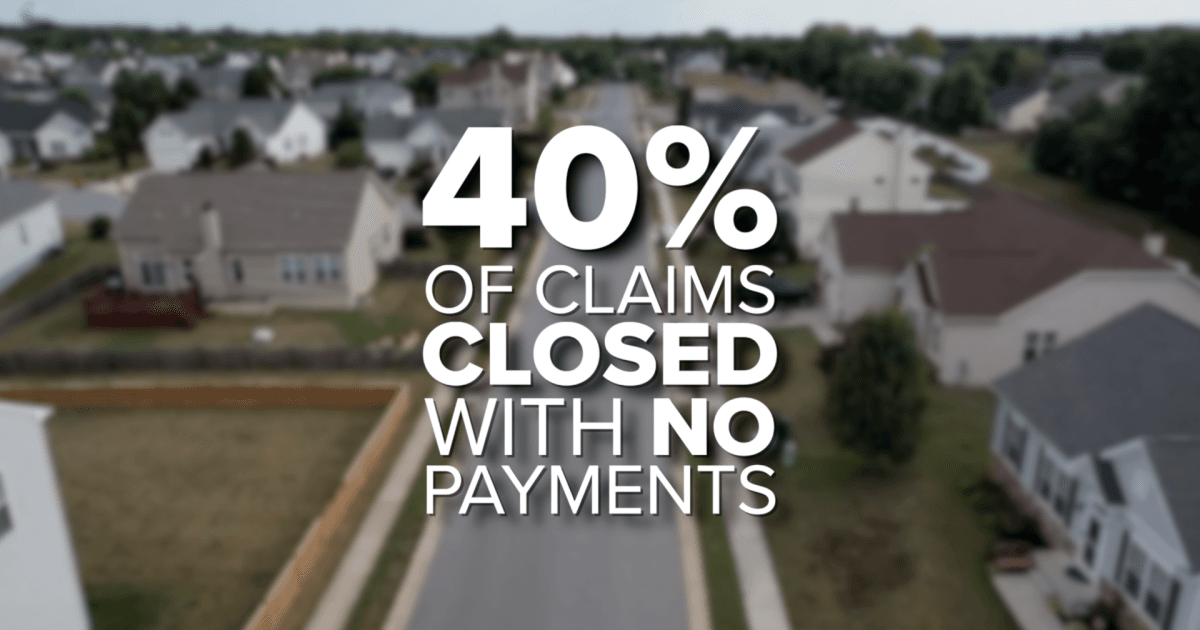
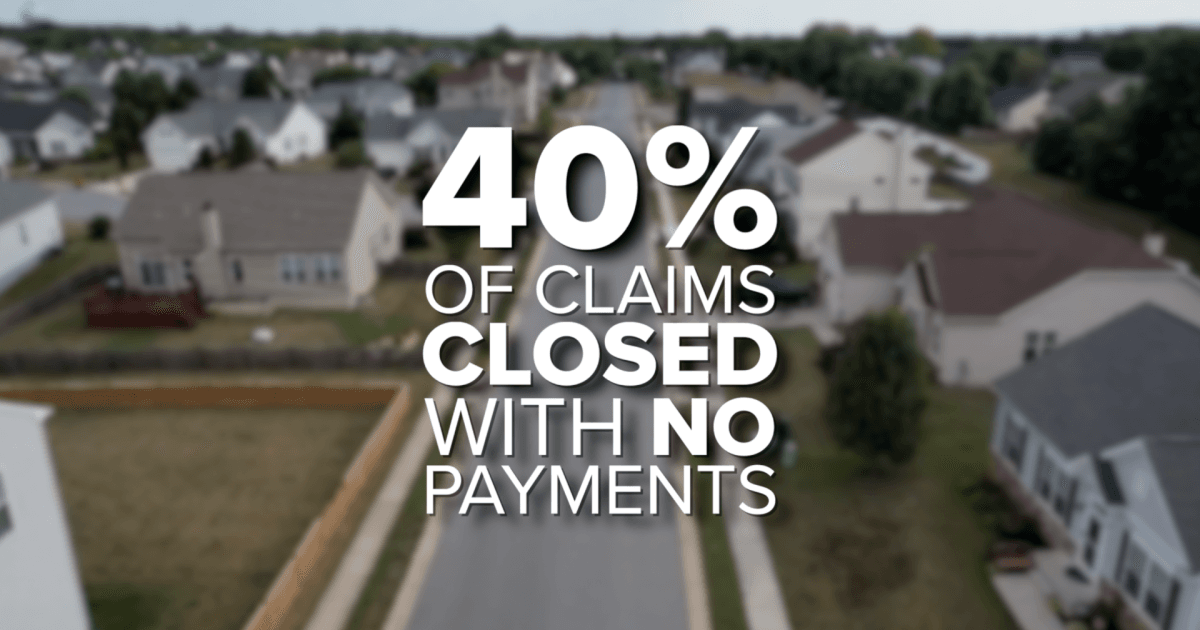
Florida’s average homeowner insurance premium has soared to $5,838 a year—almost $3,000 above the national average—pushing many residents to the financial brink. From tripled premiums to lowball claim payouts, homeowners are speaking out as frustration mounts. Some are even dropping coverage entirely. With more than 40% of claims closed without payment and policy cancellations at record levels, lawmakers are pushing for reforms, but political hurdles remain. The outcome could reshape Florida real estate, insurance, and mortgage markets for years to come.