Why Microcredentials Will Rule 2026 Hiring — And What Every Professional Should Do Now
The job market heading into 2026 is shaping up to be one of the most competitive and transformative in years. With managers balancing AI adoption, economic shifts, and evolving workforce needs, the people who rise above the noise will be those who can prove they are still learning, adapting, and upskilling.
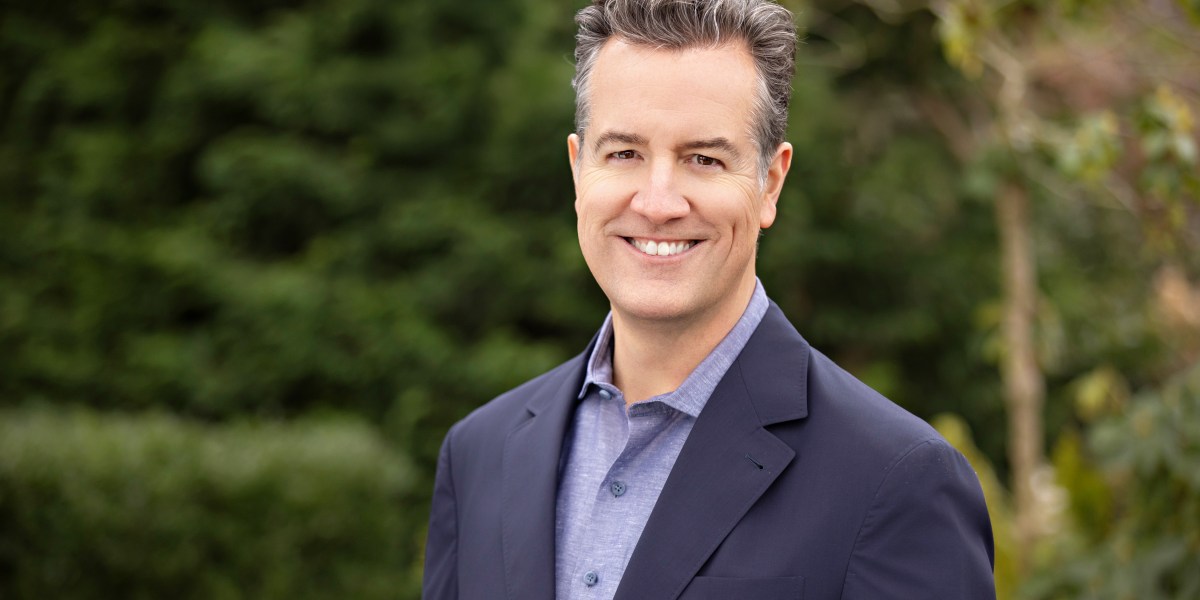
That’s exactly why microcredentials — compact, targeted professional certificates — are becoming the No. 1 hiring advantage across nearly every industry. And according to Coursera CEO Greg Hart, companies are demanding them at record levels.
In an exclusive Fortune interview, Hart explains that more than 90% of employers prefer candidates who have microcredentials over those who do not.
Tap to Explore: Why Employers Love Microcredentials
• They show commitment to learning
• They signal adaptability during rapid AI change
• They demonstrate real, measurable skills
• They differentiate applicants in crowded fields
Gen Z Is Feeling the Pressure — But They’re Not Alone
Young workers have been hit the hardest. Recent analyses from Oxford Economics reveal unemployment rates of 14% for ages 16–19 and around 9% for ages 19–24.
With employers seeking job-ready skills and demonstrated knowledge, microcredentials help bridge the gap between “I’m capable” and “Here’s proof.”
The AI Skills Explosion: What Everyone Must Learn
Coursera reports that its most in-demand certificates are AI-driven, including Google’s “Foundations of Data Science,” “Data, Data Everywhere,” and its cybersecurity and project management tracks.
“It’s the most in-demand skill in our history as a company right now,” Hart says of generative AI.
Popular Skills for 2026
• Generative AI
• Data analytics
• HR technology
• Soft skills: communication, assertiveness, collaboration
And Don’t Forget Soft Skills
A report from General Assembly highlights a major warning: fewer than half of workers — and only 12% of mid-level executives — believe entry-level talent is prepared for the workforce. Missing communication skills and weak adaptability are among the top concerns.
As AI automates more functional tasks, Hart believes the value of uniquely human abilities will rise: “The value of the human side of the equation actually increases.”
Real Advice From a CEO to His Gen Z Sons
Hart’s guidance to his two sons reflects the reality many young people — and career‑shifting adults — now face.
To his finance‑major son, he suggested starting with “Gen AI for finance,” then building into data analytics tools that can reshape modern spreadsheet-heavy workflows.
To his game-design‑major son, he emphasized project management, entrepreneurship, and expanding every adjacent skill possible.
Lesson for All Professionals
Your major doesn’t matter — your momentum does.
What This Means for Licensed Professionals
Whether you’re in real estate, mortgage, insurance, medical services, or financial fields, employers and clients expect ongoing proof of your commitment to staying sharp. Licensing alone is no longer the finish line — it’s the foundation.
That’s where organizations like Cameron Academy become invaluable. From Florida real estate licensing to mortgage, insurance, and continuing education across the U.S., Cameron Academy helps professionals stay competitive, relevant, and opportunity‑ready.
The Bottom Line
2026 will reward learners — not the perfect, not the overly experienced, but the ones who keep building, keep adapting, and keep sharpening their skills.
Microcredentials aren’t a trend. They’re becoming the new career currency.
And there has never been a better moment to start earning them.
More Articles
Getting licensed or staying ahead in your career can be a journey—but it doesn’t have to be overwhelming. Grab your favorite coffee or tea, take a moment to relax, and browse through our articles. Whether you’re just starting out or renewing your expertise, we’ve got tips, insights, and advice to keep you moving forward. Here’s to your success—one sip and one step at a time!
A federal judge has denied class‑certification in the high‑stakes Batton commission lawsuit, delivering a temporary win for NAR and major brokerages while leaving the door open for plaintiffs to try again. With as much as $3.6 billion in potential damages on the line and nearly 80% of the proposed class now disqualified due to conflicts with earlier settlements, the case stands at a pivotal moment. Real estate professionals nationwide — especially in Florida — should watch closely, as the ruling could shape the future of buyer‑agent compensation.
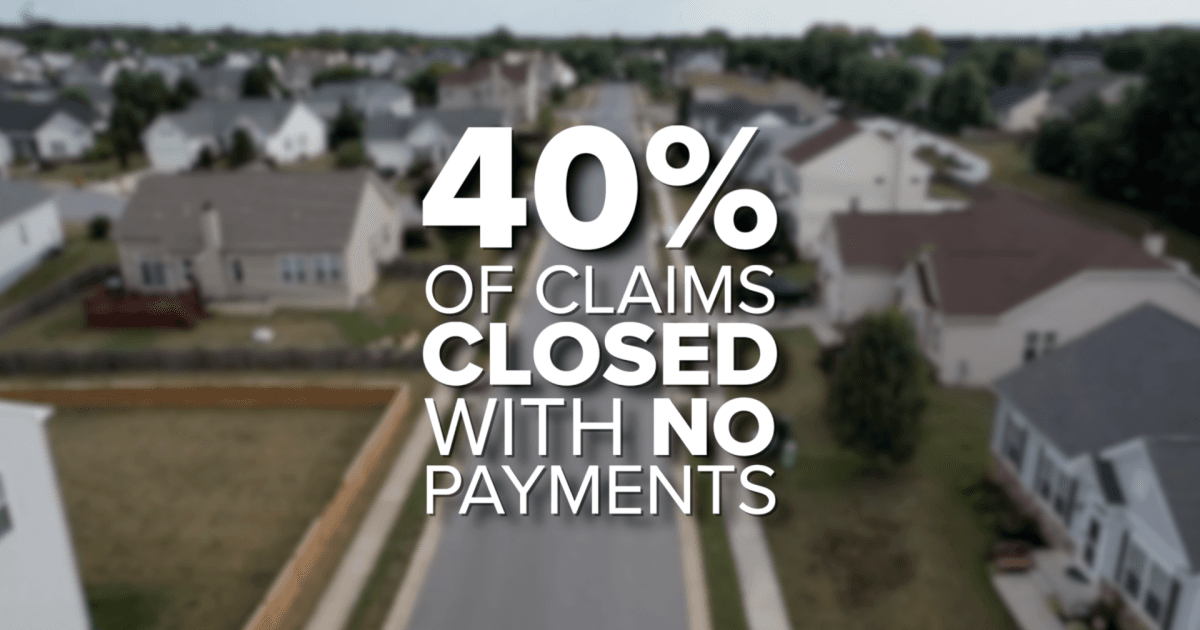
Florida homeowners are paying nearly double the national average for insurance, with premiums now reaching $5,838 a year and denied claims topping 40 percent. Residents report tripled rates, underpaid claims, and mounting financial strain, pushing lawmakers in Tallahassee to propose caps on rate hikes, tax breaks for storm‑proof upgrades, and tighter oversight of insurers. These developments are reshaping real estate and insurance conversations across the state as professionals brace for major industry shifts.
Berkshire County closed Q3 2025 with strong momentum as sales, dollar volume, and buyer competition all climbed year‑over‑year. Inventory showed slight improvement but remains far below demand, keeping the market tilted toward sellers. Single‑family homes and condos led the surge, while multifamily, land, and commercial sectors showed mixed performance. The region continues to stand out as one of New England’s most resilient real estate markets heading into 2026.
Florida homeowners now face the highest insurance burdens in the nation, with average premiums topping $5,800 per year—roughly $3,000 above the national average. As rates triple for some residents, more Floridians are skipping coverage altogether, while denied claims and slow payouts add to the frustration. With over 40 percent of claims closing with no payment and lawmakers battling over reform in Tallahassee, the crisis is reshaping budgets, homebuying decisions, and the real estate industry statewide.
Global capital is surging back into real estate—and this time, investors want more control. Colliers’ 2026 Global Investor Outlook reveals a major shift toward direct investments, joint ventures, and hands‑on strategies as money moves across North America, Europe, and the booming Asia‑Pacific markets. Data centers are now the top‑funded asset class, offices are staging a comeback, and adaptive reuse is reshaping cities worldwide. For real estate and finance professionals, the message is clear: opportunity is accelerating, and those with the right education and licensing will be at the center of the action.
The Fed’s recent rate cuts should have offered relief to commercial real estate—but long-term borrowing costs haven’t budged. While short‑term rates are falling, stubborn long‑term yields, broken deal math, and a trillion‑dollar refinancing wave are keeping the market frozen. For investors and professionals across Florida and the nation, understanding this disconnect is key to navigating the opportunities and risks emerging in today’s shifting CRE landscape.