Why Tax‑Deferred Property Programs Are Surging — and What It Means for Today’s Real Estate Professionals
Investment managers across the U.S. are rapidly rolling out new tax‑deferred real estate investment programs as demand skyrockets. With stronger market certainty, favorable conditions, and one of the largest generational wealth transfers in history underway, Delaware Statutory Trusts (DSTs) are becoming a major force in modern estate planning.
In recent weeks, major development and investment groups such as Denholtz, Forum Investment Group, and PREP Property Group have launched new DST offerings. These programs allow property sellers to defer capital gains taxes by reinvesting through 1031 exchanges—an increasingly appealing strategy for owners seeking passive income and long‑term estate benefits.
Even real estate powerhouse Blackstone has entered the DST arena, joining Brookfield, Starwood, Nuveen, Hines, and Ares Management. As DSTs move into the mainstream, both new and seasoned professionals are paying close attention.
“The DST market is projected to have an increase of about 30% year‑over‑year,” said Jennifer McCool, Executive Vice President and Head of Capital Markets at Denholtz.
The Mechanics Behind the Demand
DSTs allow investors to shift from active property management to passive income while maintaining tax‑deferred real estate exposure via fractional interests in institutional‑grade assets. Through 1031 exchanges, sellers can reinvest proceeds into like‑kind commercial properties, avoiding taxes that would otherwise be due immediately.
According to Mountain Dell Consulting, DST‑related sales hit $7.34 billion through November, with projections of $7.5 billion in 2025—up 33% from the prior year.
The Wealth‑Transfer Wave
With more than $100 trillion expected to change hands over the next two decades, estate planning strategies like DSTs are seeing structural demand growth. The recent federal “Big Beautiful Bill” preserved 100% capital gains deferral through like‑kind exchanges, removing the uncertainty that had previously slowed some investors’ planning.
As Forum Investment CEO Darren Fisk explained, many property owners hold highly appreciated assets and are seeking reduced operational intensity without sacrificing upside potential.
Risks Still Matter
DSTs aren’t without drawbacks. Investors must accept long capital lock‑ups, illiquid assets, and reliance on sponsor performance. These risks are familiar territory for many approaching retirement, reinforcing the need for proper education and due diligence—areas where real estate professionals can add tremendous value.
Market Conditions Fueling Rapid Growth
A tight supply of quality replacement properties and rising tax concerns are amplifying interest in DSTs. Denholtz recently launched its first DST—DX SB Industrial I DST—featuring a nine‑building industrial campus in Tampa, Florida. The offering sold out in just six weeks, demonstrating powerful investor demand.
Sponsors are increasingly focusing on defensive assets such as industrial, multifamily, and essential‑needs retail, backed by long‑term, predictable cash flow. PREP Property Group, known for retail assets like Hillside Village Mall in Texas, plans to launch its inaugural DST offering in early 2026.
“Retail real estate is experiencing its strongest fundamentals in decades,” said PREP CEO Michael Phillips. “New supply is at historic lows, making this a prime moment for investors to reposition capital.”
Why This Matters for Real Estate Professionals
DSTs and 1031 strategies are more than investment buzzwords—they’re essential knowledge for today’s real estate agents, brokers, and advisors. Clients increasingly seek professionals who understand advanced tax‑advantaged investment structures.
This is where education becomes a differentiator. At Cameron Academy, real estate professionals across Florida and beyond are strengthening their expertise in topics like 1031 exchanges, investment analysis, and portfolio‑driven real estate strategy—making them more competitive in a rapidly evolving market.
Source
This article was inspired by reporting from CoStar News, a leading authority on commercial real estate insights.
More Articles
Getting licensed or staying ahead in your career can be a journey—but it doesn’t have to be overwhelming. Grab your favorite coffee or tea, take a moment to relax, and browse through our articles. Whether you’re just starting out or renewing your expertise, we’ve got tips, insights, and advice to keep you moving forward. Here’s to your success—one sip and one step at a time!
The title insurance industry is entering 2026 with a renewed focus on technology, operational efficiency, and stronger agent support after years of volatility. Leaders from major underwriters report rising transaction activity, improved affordability, and a surge in automation and fraud‑prevention tools—signs that smarter systems and better training will define the next wave of growth.
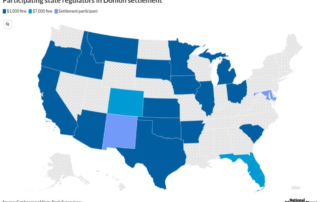
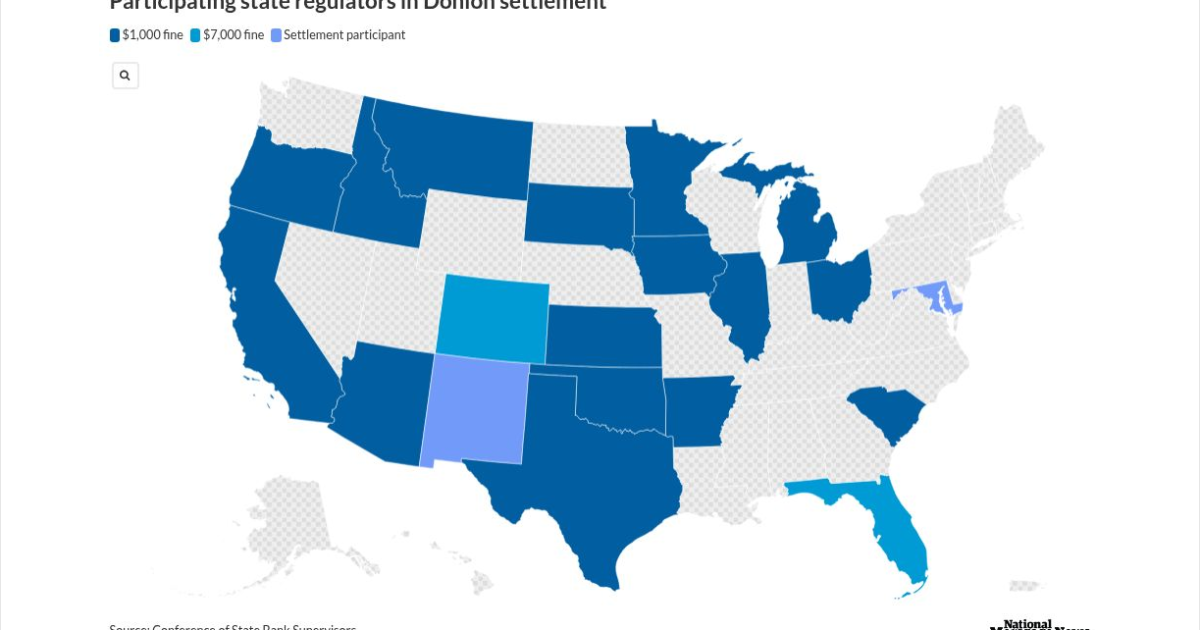
A multistate crackdown has sent shockwaves through the mortgage industry as Patrick Terrance Donlon, CEO of Trusted American Mortgage, accepted a sweeping settlement that bans him from working as a mortgage loan originator in 21 states—19 of them permanently. Regulators say Donlon had another individual complete his mandatory licensing and continuing‑education courses, a violation that triggered a coordinated investigation and a $31,000 penalty. The case underscores regulators’ growing intolerance for education fraud and serves as a sharp reminder to industry professionals: cutting corners on licensing can end careers.
Florida’s once‑booming housing market is cooling fast as rising insurance premiums, increasing foreclosures, and expanding flood zones push buyers to back out of deals and force sellers to cut prices. With insurance now adding thousands to annual housing costs, professionals across real estate, mortgage, and insurance are navigating a dramatically shifting landscape that’s redefining affordability in the Sunshine State.
Florida begins 2026 with a wave of more than 250 new laws now in effect, impacting healthcare, insurance, real estate, and consumer protections statewide. From free breast cancer screenings for state employees to tighter pet insurance regulations, mandatory healthcare refund rules, enhanced animal‑cruelty penalties, and new condo‑management requirements, these updates carry major implications for professionals navigating Florida’s evolving regulatory landscape.
Florida’s barrier islands may offer postcard-perfect beaches and soaring real estate demand, but they’re also some of the most fragile and costly places to build in the United States. With 765,000 residents living on land that shifts, sinks, and takes the brunt of every major hurricane, the financial and insurance risks are accelerating fast. From billion‑dollar beach rebuilds to towers settling into the sand, today’s coastal development challenges are reshaping conversations around property values, disclosure, and long‑term resilience. For real estate professionals, understanding these risks isn’t just smart — it’s becoming essential.
A Cedar City development is turning heads with its fresh approach to affordability. The team behind Temple View Commons is delivering luxury‑inspired twin homes at prices below the local median by using a small, hands‑on staff and cutting traditional costs like realtor commissions. In a tight Utah housing market where inventory is scarce and prices remain high, their strategy offers a realistic path to homeownership without sacrificing high‑end finishes.


 Title Insurance Leaders Double Down on Tech and Efficiency to Drive 2026 Market Momentum Gallery