Wire Fraud Is Becoming a Serious Threat to Real Estate Transactions

Real estate professional headshot

Real estate transactions rely on trust, and in recent years, that trust has been shaken by a sharp rise in highly organized wire fraud schemes. These schemes target buyers, sellers, agents, attorneys, and title companies alike. What once felt like a distant possibility has now become a near-daily threat in Florida and beyond.

According to the National Association of Realtors, one out of every 20 real estate transactions faces an attempted wire fraud attack. Losses now total hundreds of millions of dollars each year, often hitting consumers at the most stressful point in the process: just before closing.

Source: Herald-Tribune. Original article: Wire Fraud: What Real Estate Buyers and Sellers Need to Know.

How Criminals Hijack Real Estate Transactions

Most wire fraud attacks begin with phishing emails. Once a victim clicks a malicious link, scammers gain access to their inbox. From there, criminals quietly monitor upcoming closings, studying signatures, dates, and transaction details to mimic legitimate communications.

When the perfect moment arrives, they send updated wire instructions that look nearly identical to the real ones. The email usually has one subtle character difference that is easy to miss. Once the funds are sent, they are often routed through overseas accounts within hours, making recovery nearly impossible.

Important: In Florida, first-time buyers are statistically three times more likely to become victims. Their excitement and unfamiliarity make them easy targets for urgent or authoritative-sounding emails.

New Variations of Fraud Are Targeting Florida

Florida has seen a sharp increase in fake seller impersonation schemes. Criminals target vacant land and investment properties, pose as the owner, and push for fast sales to divert funds. Other scammers build fake title company websites that look almost identical to the real ones, tricking buyers into sending closing funds to fraudulent accounts.

Click to reveal common warning signs

– Wire instructions delivered only through email

– High-pressure or urgent last-minute changes

– Email addresses with tiny misspellings

– Writing tone that feels unusual for your agent or title company

– Requests for banking information from anyone other than the verified title company

How to Protect Yourself From Wire Fraud

The most effective protection is simple: verify all wiring instructions over the phone using a trusted number. Never rely solely on an email. Call your title company or attorney directly and confirm details before sending any funds.

Additionally, sellers should ensure identity verification procedures are legitimate, especially during remote notarization. Many breaches originate from personal email accounts, so using strong passwords and avoiding public WiFi can reduce exposure.

What To Do If You Suspect Fraud

If you believe a wire has been misdirected, contact your bank immediately and request a wire recall. Time is critical. Next, file a report with the FBI Internet Crime Complaint Center at ic3.gov and contact local authorities.

Why Education Matters in Preventing Fraud

Knowledge is one of the most effective defenses against real estate cybercrime. When buyers, sellers, and agents understand proper verification procedures, nearly all wire fraud losses become preventable.

At Cameron Academy, we integrate these critical real-world topics into our Florida real estate licensing courses and continuing education. Whether you are a new agent or an experienced professional, staying informed is essential to protecting your clients and your livelihood.

As cybercrime evolves, so must industry education. Cameron Academy prepares you not only to pass your exam, but to thrive and safeguard your transactions with confidence and expertise.

More Articles

Getting licensed or staying ahead in your career can be a journey—but it doesn’t have to be overwhelming. Grab your favorite coffee or tea, take a moment to relax, and browse through our articles. Whether you’re just starting out or renewing your expertise, we’ve got tips, insights, and advice to keep you moving forward. Here’s to your success—one sip and one step at a time!

Global Capital Is Reshaping Real Estate for 2026

Investors worldwide are redeploying capital, embracing more active deal structures, and expanding into new regions as the 2026 market takes shape. Data centers, revived office demand, and global diversification are driving a major shift—creating fresh opportunities for real estate, mortgage, and finance professionals who understand where capital is heading next.

Florida’s Home Insurance Crisis Hits Breaking Point as Premiums Soar and Claims Go Unpaid

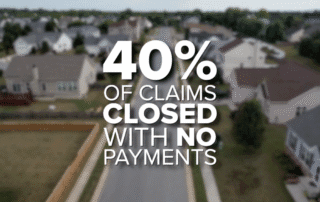
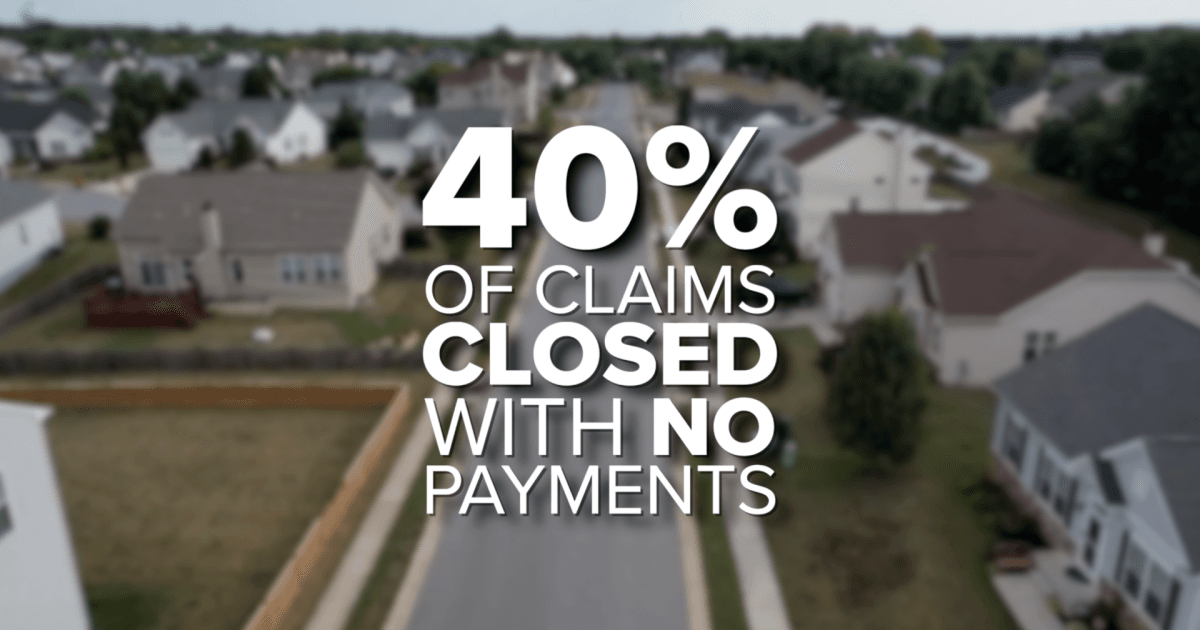
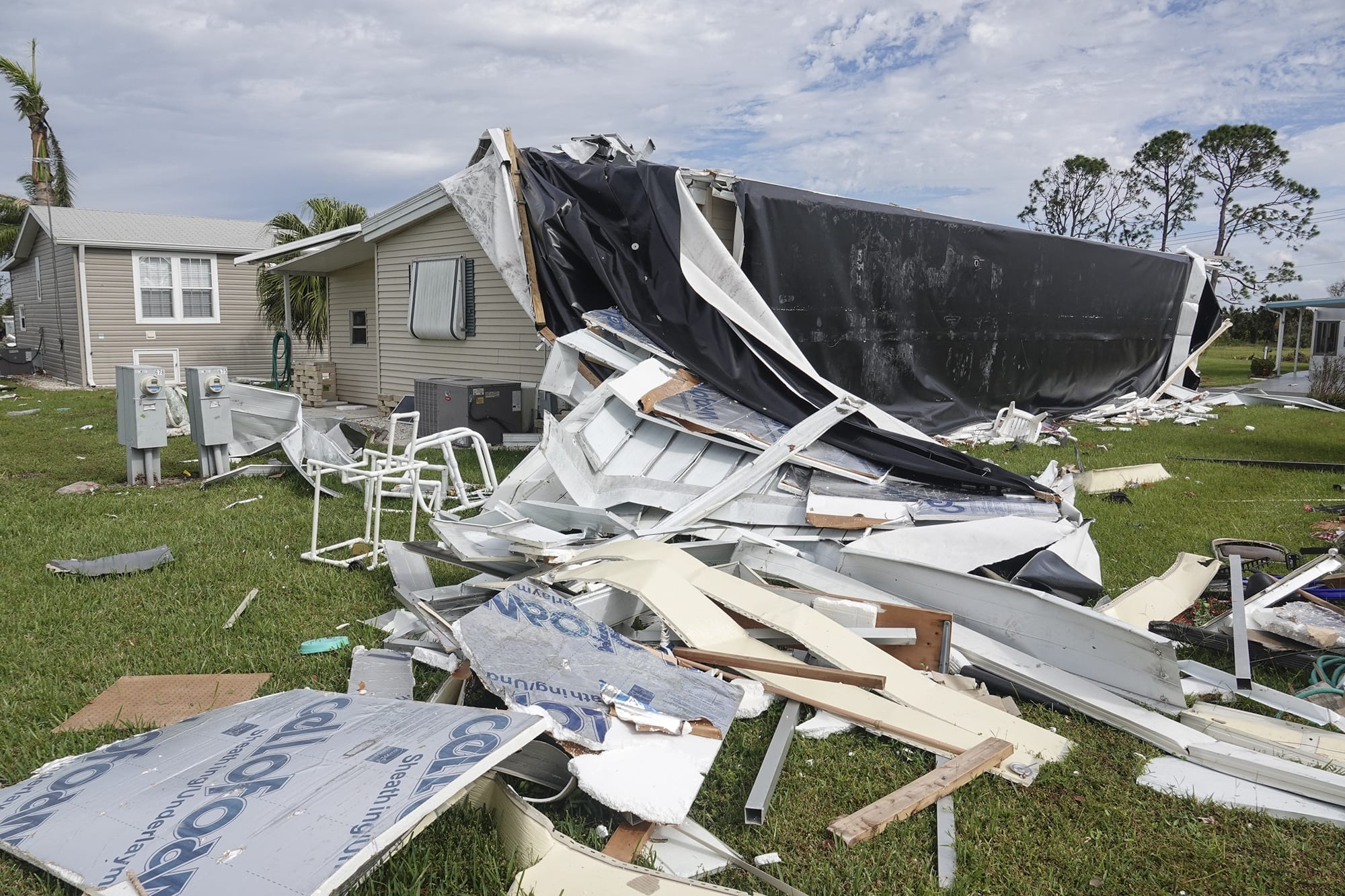
Florida homeowners now pay an average of $5,838 per year for insurance—about $3,000 more than the national average—pushing many families to the financial brink. Residents report premiums tripling, claims being severely underpaid, and insurers dropping policies at one of the highest rates in the country. As frustration mounts, lawmakers and industry experts are calling for sweeping reforms to curb rising costs, increase accountability, and stabilize a market that’s reshaping real estate decisions across the state.

Citizens Insurance Steps Back as Florida’s Private Market Surges

Florida’s insurance market has hit a major turning point. Citizens Property Insurance—once the state’s largest insurer with 1.4 million policies—has shed more than 900,000 policies as private insurers return in force. Driven by Florida’s depopulation program and the arrival of 17 new companies, nearly 200,000 policies shifted to private carriers in October alone, with about 40 percent offering lower premiums. The shift signals rising competition, stabilizing rates, and new opportunities for homeowners and industry professionals navigating Florida’s evolving insurance landscape.

NAR Unveils Biggest MLS Policy Overhaul in 20 Years, Effective 2026

The National Association of REALTORS® has approved 18 major updates to modernize its MLS policies—the largest overhaul in two decades. Announced at NAR NXT in Houston and set to take effect in January 2026, the changes aim to streamline MLS operations, improve enforcement clarity, and better align policies with how today’s real estate professionals actually work.

Inhabit Unveils New AI and Fraud Prevention Tools Transforming Property Management

Inhabit has rolled out a powerful lineup of AI-driven leasing, marketing, fraud prevention, and compliance tools designed to streamline operations and protect property teams from growing risks. From hybrid AI leasing assistants to instant income verification and upcoming portfolio-wide lease audits, these innovations aim to cut costs, eliminate inefficiencies, and strengthen regulatory confidence across the multifamily industry.

Florida’s Insurance System Is Shifting Again—But Are Homeowners Still in the Danger Zone?

Florida’s latest round of insurance reforms was meant to calm a volatile market, yet many experts warn the same deep structural problems remain. Homeowners are being pushed from Citizens into higher‑priced, lightly capitalized private insurers, ratings agencies face scrutiny for inflated grades, and political influence clouds oversight. For real estate and insurance professionals, these trends signal ongoing risk, rising costs, and a market in need of a complete rebuild.