Wire Fraud Is Becoming a Serious Threat to Real Estate Transactions

Real estate professional headshot

Real estate transactions rely on trust, and in recent years, that trust has been shaken by a sharp rise in highly organized wire fraud schemes. These schemes target buyers, sellers, agents, attorneys, and title companies alike. What once felt like a distant possibility has now become a near-daily threat in Florida and beyond.

According to the National Association of Realtors, one out of every 20 real estate transactions faces an attempted wire fraud attack. Losses now total hundreds of millions of dollars each year, often hitting consumers at the most stressful point in the process: just before closing.

Source: Herald-Tribune. Original article: Wire Fraud: What Real Estate Buyers and Sellers Need to Know.

How Criminals Hijack Real Estate Transactions

Most wire fraud attacks begin with phishing emails. Once a victim clicks a malicious link, scammers gain access to their inbox. From there, criminals quietly monitor upcoming closings, studying signatures, dates, and transaction details to mimic legitimate communications.

When the perfect moment arrives, they send updated wire instructions that look nearly identical to the real ones. The email usually has one subtle character difference that is easy to miss. Once the funds are sent, they are often routed through overseas accounts within hours, making recovery nearly impossible.

Important: In Florida, first-time buyers are statistically three times more likely to become victims. Their excitement and unfamiliarity make them easy targets for urgent or authoritative-sounding emails.

New Variations of Fraud Are Targeting Florida

Florida has seen a sharp increase in fake seller impersonation schemes. Criminals target vacant land and investment properties, pose as the owner, and push for fast sales to divert funds. Other scammers build fake title company websites that look almost identical to the real ones, tricking buyers into sending closing funds to fraudulent accounts.

Click to reveal common warning signs

– Wire instructions delivered only through email

– High-pressure or urgent last-minute changes

– Email addresses with tiny misspellings

– Writing tone that feels unusual for your agent or title company

– Requests for banking information from anyone other than the verified title company

How to Protect Yourself From Wire Fraud

The most effective protection is simple: verify all wiring instructions over the phone using a trusted number. Never rely solely on an email. Call your title company or attorney directly and confirm details before sending any funds.

Additionally, sellers should ensure identity verification procedures are legitimate, especially during remote notarization. Many breaches originate from personal email accounts, so using strong passwords and avoiding public WiFi can reduce exposure.

What To Do If You Suspect Fraud

If you believe a wire has been misdirected, contact your bank immediately and request a wire recall. Time is critical. Next, file a report with the FBI Internet Crime Complaint Center at ic3.gov and contact local authorities.

Why Education Matters in Preventing Fraud

Knowledge is one of the most effective defenses against real estate cybercrime. When buyers, sellers, and agents understand proper verification procedures, nearly all wire fraud losses become preventable.

At Cameron Academy, we integrate these critical real-world topics into our Florida real estate licensing courses and continuing education. Whether you are a new agent or an experienced professional, staying informed is essential to protecting your clients and your livelihood.

As cybercrime evolves, so must industry education. Cameron Academy prepares you not only to pass your exam, but to thrive and safeguard your transactions with confidence and expertise.

More Articles

Getting licensed or staying ahead in your career can be a journey—but it doesn’t have to be overwhelming. Grab your favorite coffee or tea, take a moment to relax, and browse through our articles. Whether you’re just starting out or renewing your expertise, we’ve got tips, insights, and advice to keep you moving forward. Here’s to your success—one sip and one step at a time!

Florida’s Insurance Market Meltdown: Why New Reforms Are Repeating Old Mistakes

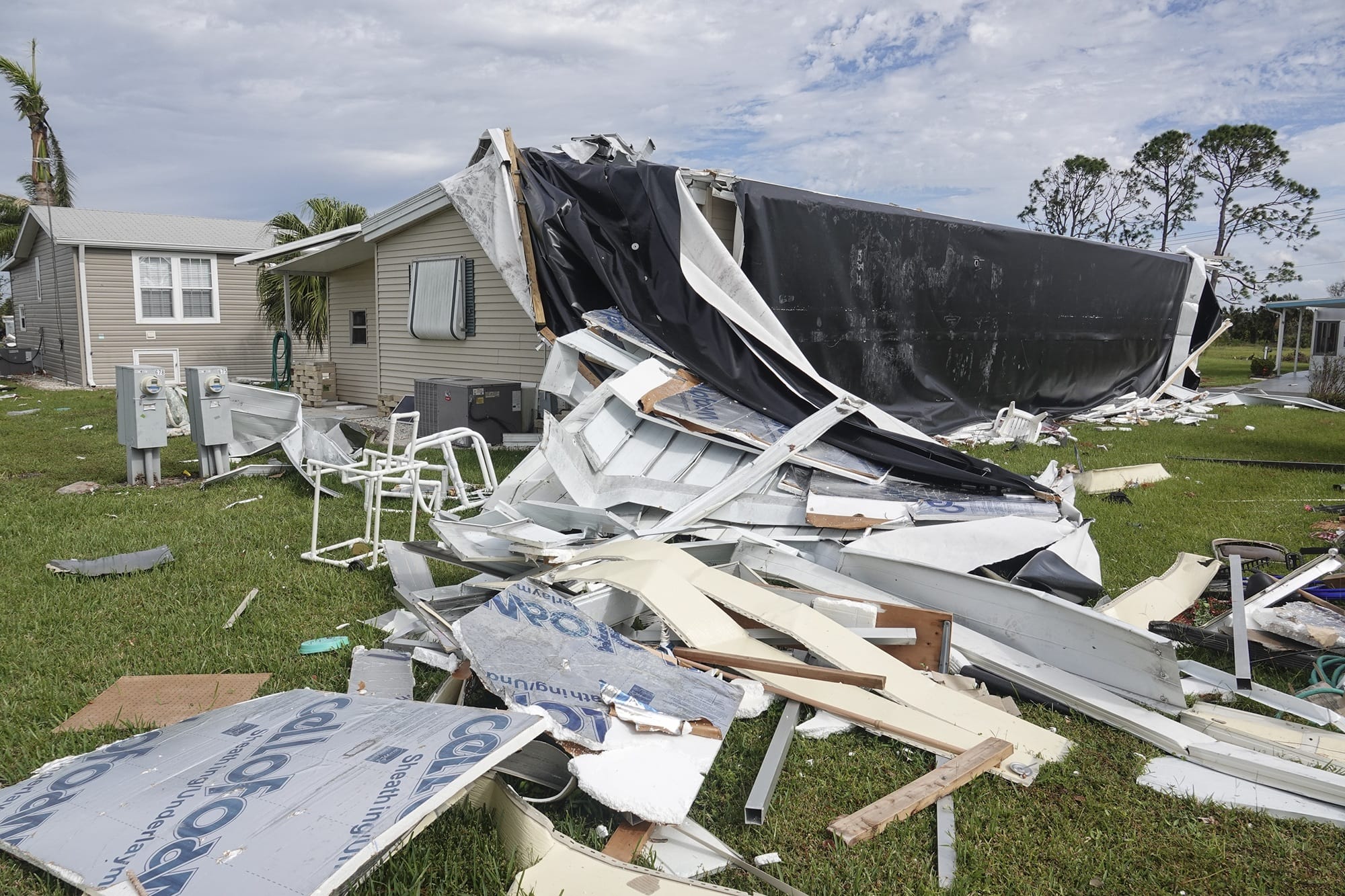
Florida’s property insurance system is once again spiraling as new “market-friendly” reforms fail to stabilize rising premiums, insurer failures, and mounting homeowner frustration. Despite aggressive efforts to shift policyholders from Citizens to private carriers, many of the new insurers stepping in are tied to past insolvencies, questionable ratings, and political influence. For real estate, mortgage, and insurance professionals, these systemic cracks are reshaping closings, valuations, and risk across the state—making it essential to stay ahead of ongoing regulatory and market shifts.

Top 2026 Commercial Real Estate Issues: The Trends Professionals Must Watch

Commercial real estate is heading into a turning‑point year in 2026, driven by economic uncertainty, AI‑powered transformation, shifting demographics and rising portfolio risk. Insights from The Counselors of Real Estate highlight the top issues shaping the year ahead—from fiscal pressures and capital constraints to housing shortages, global volatility and the future of data‑driven decision‑making. For real estate, mortgage, insurance and finance professionals, these trends offer a clear roadmap for staying competitive and preparing for the next wave of industry change.

The Tech Wave Transforming Real Estate in 2025

AI-powered tools, fraud protection systems, and smarter MLS integrations are sweeping through the real estate industry as major organizations adopt new technologies. From RealReports hitting its 50th partnership to BeachesMLS unveiling instant AI home visualizations and Doorify boosting security, professionals are seeing rapid advancements that promise sharper insights, safer transactions, and more efficient rental workflows. This evolving tech landscape underscores the importance of staying educated and adaptable — especially for agents preparing for a competitive, AI-enhanced 2025 market.

Florida’s Insurance Crisis Deepens as Premiums Soar and Claims Go Unpaid

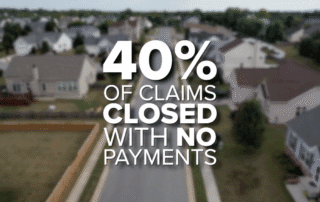
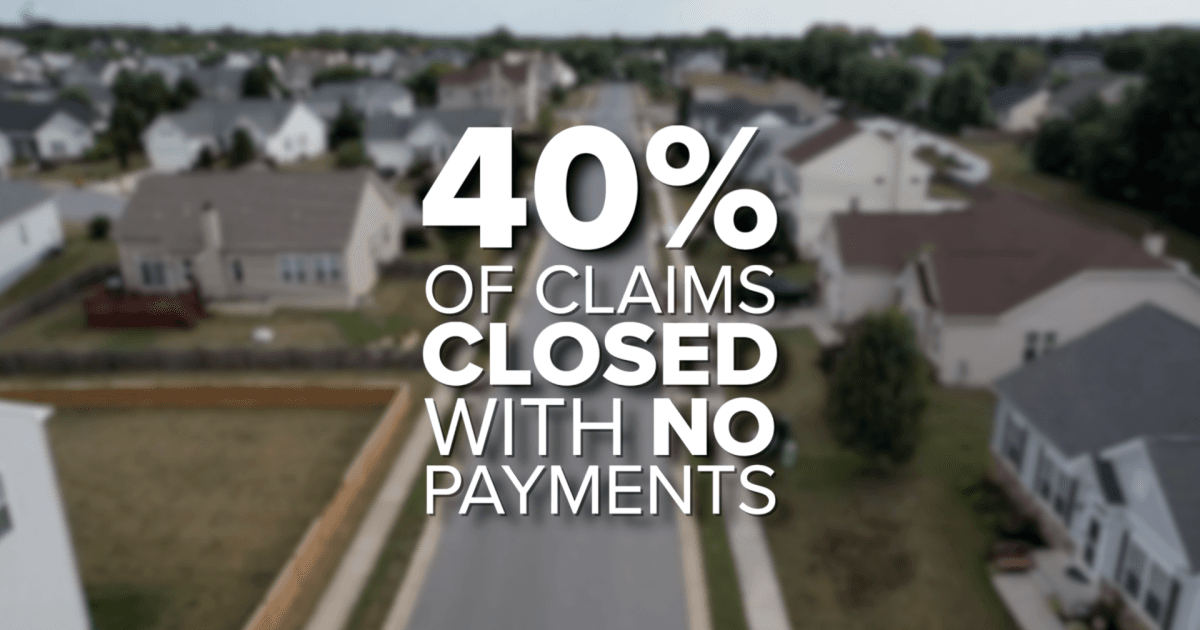
Florida homeowners are being hit with the highest insurance premiums in the nation, averaging $5,838 per year—nearly double the U.S. average. As costs skyrocket, many residents are reporting denied claims, non‑renewals, and impossible financial choices. New investigations reveal that more than 40 percent of claims in Florida close with no payment, while lawmakers push for transparency, fair pricing, and meaningful reform to stabilize a market that’s rapidly becoming unsustainable.

AI-Powered Parking Startup Vend Park Secures $17.5M to Transform a Forgotten Real Estate Asset

Vend Park, a Boston-based proptech company, has raised $17.5 million in Series A funding to reinvent parking as a high-performing commercial real estate asset. By replacing outdated operator–vendor systems with a unified AI-driven platform, Vend Park is helping major property owners boost NOI by up to 30%, slash operating costs, and modernize the tenant experience. As the company expands from three to fifteen cities and partners with giants like Nuveen and Jamestown, its technology highlights a major shift: real estate professionals must now understand AI, automation, and digital infrastructure to stay competitive.

Keller Williams Atlanta Partners Teams Up with Southeast Mortgage in a Major Georgia Market Shake‑Up

Keller Williams Realty Atlanta Partners has formed an exclusive partnership with Southeast Mortgage, Georgia’s largest non‑bank mortgage lender. The collaboration promises faster, tech‑enhanced transactions for both agents and homebuyers, combining real estate expertise with streamlined mortgage services. This move reflects a growing trend toward integrated real‑estate ecosystems designed to reduce delays, boost transparency, and modernize the homebuying experience.