World Cities Day 2024: A Global Movement Towards Sustainable Urban Futures
In the spirit of World Cities Day, celebrated on October 31st, cities worldwide are embracing the theme “Youth Leading Climate and Local Action for Cities.” This theme underscores the pivotal role of young leaders in driving sustainable urban solutions, a movement gaining momentum through community-led initiatives and progressive policies. As cities grapple with the challenges posed by the climate crisis and the need for cultural heritage conservation, innovative urban planning emerges as a beacon of hope.
Preservation and Innovation: A Balancing Act
Highlighting this global trend, Barcelona’s La Rambla has completed the first phase of its extensive multi-year renovation. This project exemplifies the commitment to preserving urban heritage while embracing modernity. Similarly, Chicago’s historic skyscrapers have been saved from demolition, showcasing efforts to maintain the architectural legacy amid urban evolution.
Addressing Urban Challenges
Cities like Venice and Los Angeles are tackling pressing issues such as overtourism and housing shortages. Venice has implemented entrance tickets to manage tourist influx during peak weekends, while Los Angeles is pioneering a radical approach to affordable housing. These initiatives strive to balance livability with growth, ensuring sustainable urban environments.
Reimagining Urban Spaces
Ambitious master plans are reshaping urban landscapes. Projects like the revitalization of industrial sites in Tallinn and Connecticut are transforming old infrastructures into vibrant public spaces, reflecting how cities are reimagining their urban fabric.
Resilience and Renewal
Post-disaster rebuilding efforts in Kharkiv and Türkiye underscore the urgency of resilience-driven design. These projects ensure cities can withstand and adapt to future challenges, fostering cultural renewal and community resilience.
As reported by ArchDaily, these transformative updates offer a glimpse into the global forces reshaping urban landscapes, driven by preservation, innovation, and resilience.
More Articles
Getting licensed or staying ahead in your career can be a journey—but it doesn’t have to be overwhelming. Grab your favorite coffee or tea, take a moment to relax, and browse through our articles. Whether you’re just starting out or renewing your expertise, we’ve got tips, insights, and advice to keep you moving forward. Here’s to your success—one sip and one step at a time!
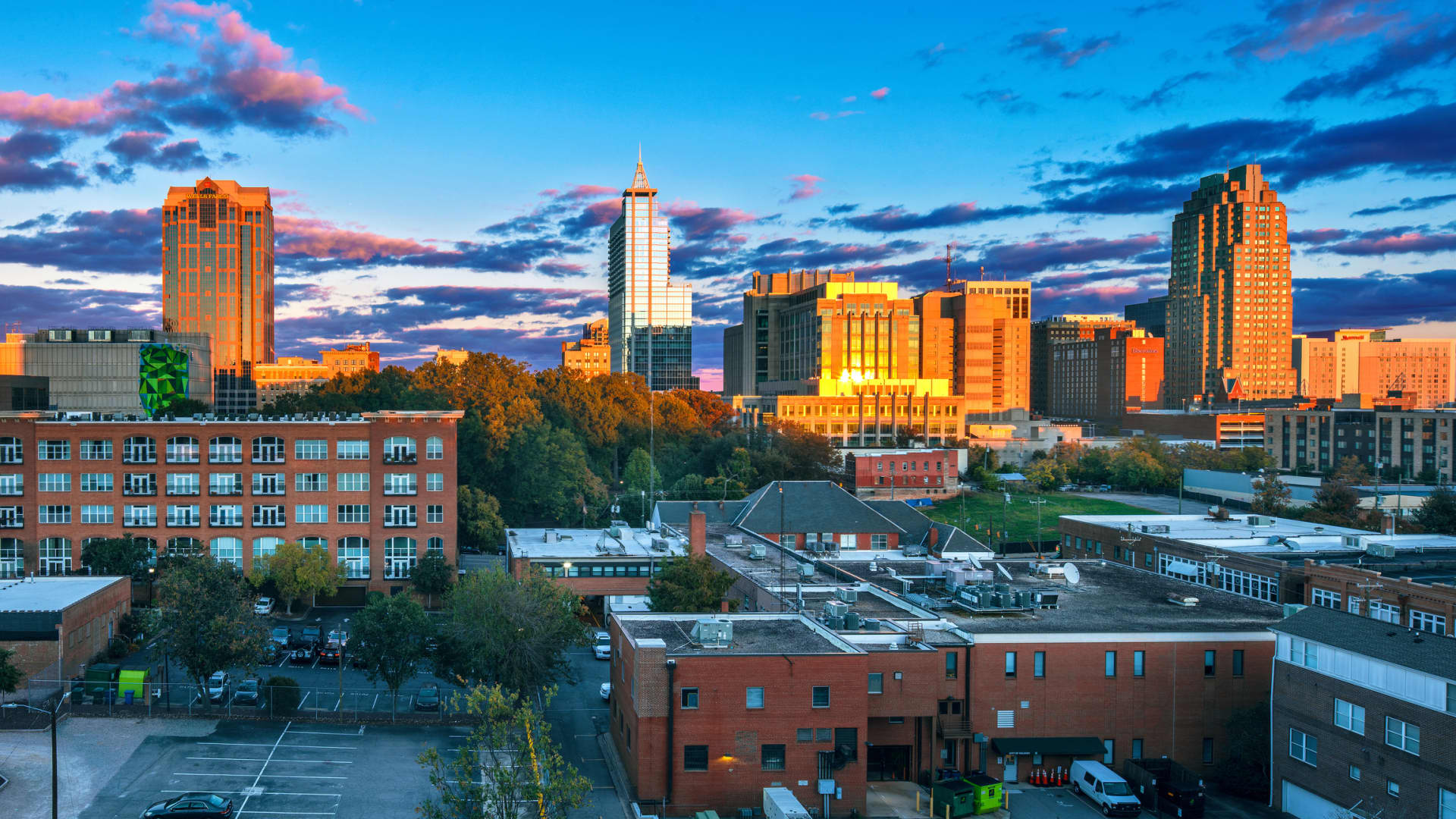
Seattle now holds the second‑highest office vacancy rate in the nation at 26.6%, with some downtown areas soaring past 35% and Pioneer Square reaching 50%. Mayor‑elect Katie Wilson steps into office with bold proposals—including a vacancy tax and office‑to‑housing conversions—amid tech pullbacks, shifting work habits, and investor uncertainty. Despite alarming numbers, signs of resilience remain, offering opportunities for savvy real estate professionals watching this market transform in real time.
Florida lawmakers are once again targeting the fast‑growing litigation‑financing industry with House Bill 1157, a proposal that would restrict how outside investors participate in lawsuits. The bill would limit funder influence, cap their share of settlements, and require new disclosures—especially for foreign‑backed financing. As similar measures emerge nationwide, the outcome could significantly impact professionals across law, insurance, finance, and real estate who depend on predictable risk and regulatory environments.
Starting April 1, Philadelphia homeowners and renters with federal flood insurance will see a 15% reduction in their premiums thanks to the city joining FEMA’s Community Rating System. The discount reflects Philadelphia’s growing investment in flood‑risk mitigation and is expected to save residents and businesses more than $424,000 annually. Beyond easing household expenses, the change also reshapes how real estate and insurance professionals evaluate flood‑zone properties, opening the door to improved affordability and stronger buyer confidence.
Newrez is doubling down on artificial intelligence with a strategic investment in Homevision, an advanced AI underwriting platform designed to automate collateral, income, assets, credit, and full loan decisioning. After seeing Homevision’s MIRA system boost collateral underwriting efficiency, Newrez plans to expand the technology in 2026—signaling a breakthrough year for real-time automated underwriting across the mortgage industry.
A new United Van Lines migration report reveals that Americans are trading big-city ambition for affordability, shorter commutes, and better quality of life—reshaping where and how commercial real estate will grow. Southern and smaller markets continue to attract new residents, but pandemic‑era assumptions of endless demand are fading as rent growth cools and new inventory floods the market. For investors and real estate professionals, the opportunity now lies in affordable housing, modest office parks, value‑focused retail, and support‑industrial spaces like self‑storage.
The 2026 housing market is finally shifting into balance, with economists forecasting rising home sales, improved affordability, and a more diverse buyer pool. Inventory is up, mortgage rates are easing, and demographic changes—from returning first-time buyers to dominant baby boomers—are reshaping demand. New construction is stabilizing, price growth is moderating, and millions of buyers could re-enter the market as rates fall toward 6 percent. For real estate professionals, this rebalanced environment offers fresh opportunities for growth, strategy, and education.