BRICS Unveils Ambitious Plan to Reshape Global Financial Landscape
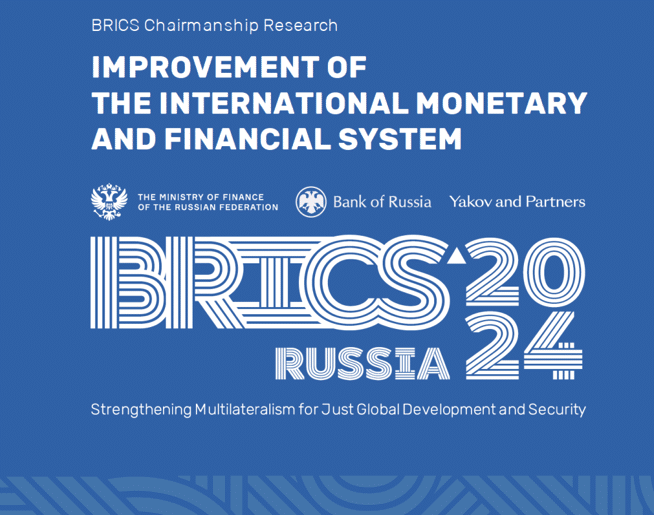
In a bold move to challenge the dominance of the U.S. dollar, the BRICS organization has announced a comprehensive strategy aimed at transforming the international monetary and financial system. This initiative, spearheaded by Russia as the 2024 BRICS chair, seeks to establish a multi-currency system that could redefine global trade dynamics.
At the heart of this plan is the proposed BRICS Cross-Border Payment Initiative (BCBPI), which will enable member countries to conduct trade using their national currencies. This initiative is designed to bypass the traditional SWIFT system, often seen as a tool of Western economic influence, and to mitigate the impact of unilateral sanctions.
Moreover, BRICS intends to explore the potential of central bank digital currencies (CBDCs) and distributed ledger technology. These innovations could allow nations to settle trade imbalances directly, enhancing financial autonomy and reducing dependency on third-party banks.
Building a New Financial Infrastructure
The BRICS framework includes the establishment of a BRICS Clear platform and a new system of securities accounting and settlement. These mechanisms aim to facilitate investment within BRICS nations and other emerging markets, while promoting the use of financial instruments denominated in national currencies.
In addition, a BRICS Grain Exchange is on the horizon, set to revolutionize commodity trading in grains, oil, natural gas, and gold. This exchange will not only support trade but also serve as a tool for settling trade imbalances.
Challenging Existing Financial Powers
The Russian report, co-authored by the Ministry of Finance and the Bank of Russia, critiques the current international monetary and financial system (IMFS) as unjust and inefficient. It highlights the excessive reliance on a single currency and centralized financial infrastructure, which predominantly serves the interests of advanced economies.
The report underscores the need for reform, citing the geo-economic fragmentation caused by the misuse of trade and financial restrictions. This sentiment echoes the broader call for a New International Economic Order (NIEO), a vision long advocated by the Group of 77 and supported by BRICS members.
Looking Ahead: The Role of SDRs
While the creation of a new international reserve currency remains a topic of debate, the report suggests that Special Drawing Rights (SDRs) could play a more significant role. Although currently limited in use, SDRs have the potential to act as a super-sovereign reserve currency, addressing the Triffin Dilemma and managing global liquidity.
However, the SDR’s reliance on a basket of major currencies, including the U.S. dollar, presents challenges. The document calls for efforts to enhance the utilization of SDRs in the real economy, despite the inherent exchange-rate risks associated with borrowing in SDRs.
De-Dollarization: A Gradual Shift
The path to de-dollarization is complex, particularly in the realm of savings and investment. While trade de-dollarization is more feasible, shifting reserves and savings away from dominant currencies like the U.S. dollar will require strategic initiatives and time.
BRICS proposes the creation of a BRICS Digital Investment Asset (DIA), backed by assets from member countries. This initiative, along with increased investment in gold, reflects a strategic pivot towards alternative reserve assets.
As the global economic landscape evolves, BRICS’ ambitious plan represents a significant step towards a more equitable financial system. While challenges remain, the ongoing efforts to establish alternative payment systems and financial messaging mechanisms signal a transformative shift in international economic relations.
More Articles
Getting licensed or staying ahead in your career can be a journey—but it doesn’t have to be overwhelming. Grab your favorite coffee or tea, take a moment to relax, and browse through our articles. Whether you’re just starting out or renewing your expertise, we’ve got tips, insights, and advice to keep you moving forward. Here’s to your success—one sip and one step at a time!
Cameron Academy is thrilled to offer the Free Annual Florida Real Estate Sales Associate 63-Hour Pre-License Course Livestream. This exclusive event is an opportunity for aspiring real estate professionals to gain expert instruction, access a comprehensive curriculum, and connect with a network of professionals in the industry. The course will be livestreamed from December 04-15, 2023, allowing you to participate from the comfort of your own home or office. Register now to secure your spot in this highly sought-after course. Spaces are limited, so early registration is highly recommended. Take the first step towards your real estate career today!
Coldwell Banker, a renowned real estate brand, has recently appointed Jason Waugh as the new president of Coldwell Banker Affiliates. In his new role, Waugh will be responsible for overseeing the brand's strategy, operations, and sales for its growing network of franchises. This appointment comes as Coldwell Banker aims to further strengthen its position in the real estate market. With an impressive background in the industry, Waugh brings a wealth of experience to his new position. Previously associated with Berkshire Hathaway HomeServices and Berkshire Hathaway Home Services Real Estate Professionals for 18 years, Waugh's expertise and leadership qualities make him an ideal fit for this role.
United Wholesale Mortgage (UWM), the country's leading lender, has increased its agency conforming loan limits to $750,000. This move, ahead of the Federal Housing Finance Agency's expected decision, applies to conventional and VA loans locked from October 11. The decision offers borrowers greater flexibility and access to larger loan amounts, with the benefits of conforming loans. These loans meet the guidelines set by government-sponsored enterprises like Fannie Mae and Freddie Mac, offering lower interest rates and more favorable terms compared to non-conforming or jumbo loans.
PNC Bank has implemented a cost-cutting strategy, leading to layoffs and a shift in focus towards expense management and strategic priorities. The bank aims to streamline operations, improve efficiency, and reallocate resources to align with long-term goals. Despite the layoffs, PNC Bank is committed to supporting affected employees during the transition period. Learn more about PNC Bank's strategy and its impact on the industry at Cameron Academy, a leading career education school.
Government-sponsored enterprise (GSE) loan buybacks have emerged as a significant issue for lenders in the mortgage market. The sudden increase in buybacks from entities like Fannie Mae and Freddie Mac is causing financial and operational strain among lenders. The rise in loan buybacks is largely due to stricter underwriting guidelines enforced by these GSEs. The impact of these buybacks is significant and far-reaching. Lenders not only face financial losses from repurchasing loans, but they also encounter operational challenges. The surge in loan buybacks has created uncertainty in the mortgage market, potentially slowing down the housing market. In response to the challenges posed by loan buybacks, lenders are implementing stricter underwriting practices and enhancing their quality control processes.
The housing market is currently witnessing an unusual trend - a deceleration in the growth of housing inventory, despite the rise in mortgage rates. This unexpected development has triggered concerns among potential buyers and industry experts. With mortgage rates climbing from their historic lows, the number of homes available for sale remains surprisingly stagnant. We investigate the factors contributing to this unexpected stagnation in inventory growth and examine the implications of rising mortgage rates, limited new listings, and an increase in price cuts. We also consider the impact of external elements such as labor reports and geopolitical risks on the housing market.