California’s Insurance Crisis: How Political Delays, Climate Pressure, and Broken Systems Collided
California’s property insurance market didn’t collapse overnight—it was a slow-motion train wreck years in the making. Long before the devastating Los Angeles wildfires that destroyed nearly 13,000 homes, warning signs were flashing across the state. But despite the alarms, meaningful intervention lagged, and today millions of Californians find themselves caught in one of the most severe insurance crises in state history.
The Los Angeles Times investigation at the heart of this story pulls back the curtain on how it all unfolded—highlighting political missteps, industry pressure, and the real-world impact on homeowners.
A Market in Freefall
In mid-2023, California’s biggest insurers began shedding customers en masse. Thousands received non-renewal notices, and companies refused to take on new policies in major regions. Rising reinsurance costs, inflation, and years of rate-hike delays pushed major carriers to the edge.
And just as California burned—insurance options vanished.
Interactive Insight
Want to explore how reinsurance affects your premiums? Hover or tap below.
Reinsurance = insurance for insurance companies.
When reinsurers raise rates, carriers pay more.
When carriers pay more, homeowners eventually pay more too.
Commissioner Ricardo Lara: At the Center of the Storm
California Insurance Commissioner Ricardo Lara found himself at ground zero. While the market deteriorated rapidly, Lara attended industry events—including a four‑day trip to Bermuda featuring dinners, cocktail cruises, and a “Pride and Prosecco” mixer hosted by reinsurers.
Reinsurers had much to gain. Rates were skyrocketing, and carriers wanted Lara to approve passing those costs to consumers. Weeks after returning from Bermuda, Lara agreed in closed-door meetings arranged by Gov. Gavin Newsom—approving faster rate hikes, weaker consumer protections, and softer bailout rules.
The Human Toll
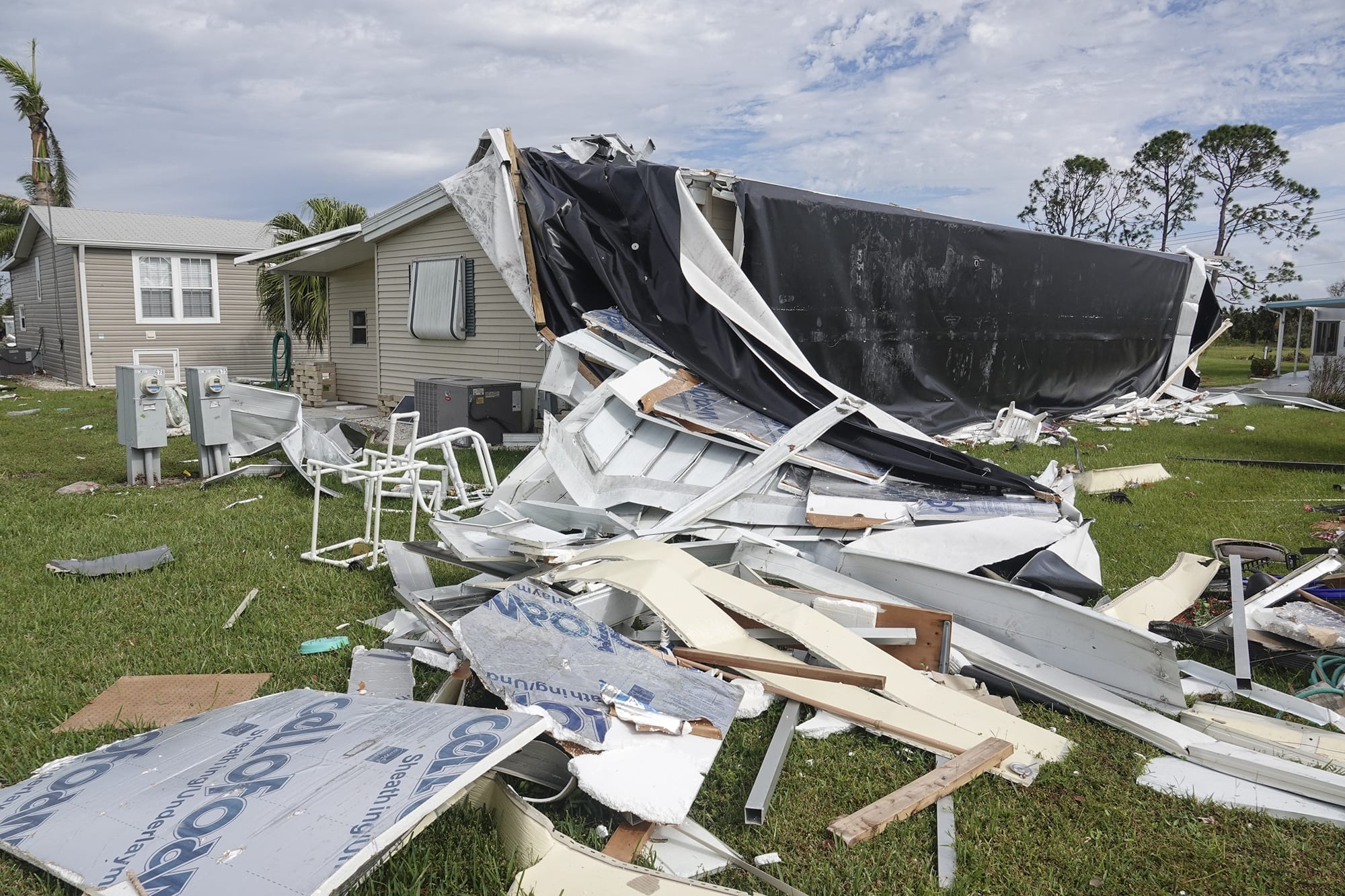
Behind the politics are families whose lives were destroyed. Home survivors in the Eaton and Palisades fires found themselves trapped between burned homes, minimal FAIR Plan coverage, and delayed or denied payouts.
Many have publicly demanded Lara’s resignation.
A Crisis Years in the Making
Its origins stretch back to 2017–2019, when new catastrophe models predicted massive wildfire losses. Reinsurers doubled prices. Carriers had two options: raise rates drastically or drop customers.
California’s regulatory delays—once 4–6 months, now close to a year—only worsened the collapse.
Data Snapshot
FAIR Plan policy growth:
2019: 123,657 policies
2025: Over 645,000 policies
A fivefold surge—proof the traditional market is disintegrating.
The High-Stakes Negotiations
The final “market stabilization plan” granted insurers permission to charge for reinsurance, use predictive models, and receive faster rate reviews. In exchange, they were expected to recommit to high‑risk zones—but loopholes allow many to sidestep those promises.
Is the Crisis Fixable?
Lara calls his reforms transformational. Critics call them dangerous. New filings show most insurers plan no meaningful return to high‑risk areas despite premium increases that could cost households hundreds more.
Why Professionals Should Care
The insurance collapse is reshaping California’s real estate, mortgage, and development ecosystems. When insurance disappears, deals die.
For professionals—or anyone entering fields like real estate, mortgage, or insurance—staying informed is essential. Institutions such as Cameron Academy continue providing education that prepares professionals for the regulatory and market shifts shaping their careers.
Explore the Original Investigation
For a deeper dive into California’s insurance crisis, explore the source:
Getting licensed or staying ahead in your career can be a journey—but it doesn’t have to be overwhelming. Grab your favorite coffee or tea, take a moment to relax, and browse through our articles. Whether you’re just starting out or renewing your expertise, we’ve got tips, insights, and advice to keep you moving forward. Here’s to your success—one sip and one step at a time!
Investors worldwide are redeploying capital, embracing more active deal structures, and expanding into new regions as the 2026 market takes shape. Data centers, revived office demand, and global diversification are driving a major shift—creating fresh opportunities for real estate, mortgage, and finance professionals who understand where capital is heading next.
Florida homeowners now pay an average of $5,838 per year for insurance—about $3,000 more than the national average—pushing many families to the financial brink. Residents report premiums tripling, claims being severely underpaid, and insurers dropping policies at one of the highest rates in the country. As frustration mounts, lawmakers and industry experts are calling for sweeping reforms to curb rising costs, increase accountability, and stabilize a market that’s reshaping real estate decisions across the state.
Florida’s insurance market has hit a major turning point. Citizens Property Insurance—once the state’s largest insurer with 1.4 million policies—has shed more than 900,000 policies as private insurers return in force. Driven by Florida’s depopulation program and the arrival of 17 new companies, nearly 200,000 policies shifted to private carriers in October alone, with about 40 percent offering lower premiums. The shift signals rising competition, stabilizing rates, and new opportunities for homeowners and industry professionals navigating Florida’s evolving insurance landscape.
The National Association of REALTORS® has approved 18 major updates to modernize its MLS policies—the largest overhaul in two decades. Announced at NAR NXT in Houston and set to take effect in January 2026, the changes aim to streamline MLS operations, improve enforcement clarity, and better align policies with how today’s real estate professionals actually work.
Inhabit has rolled out a powerful lineup of AI-driven leasing, marketing, fraud prevention, and compliance tools designed to streamline operations and protect property teams from growing risks. From hybrid AI leasing assistants to instant income verification and upcoming portfolio-wide lease audits, these innovations aim to cut costs, eliminate inefficiencies, and strengthen regulatory confidence across the multifamily industry.
Florida’s latest round of insurance reforms was meant to calm a volatile market, yet many experts warn the same deep structural problems remain. Homeowners are being pushed from Citizens into higher‑priced, lightly capitalized private insurers, ratings agencies face scrutiny for inflated grades, and political influence clouds oversight. For real estate and insurance professionals, these trends signal ongoing risk, rising costs, and a market in need of a complete rebuild.