DFW CRE in 2025: Industrial Roars, Retail Holds Strong, and Office… Still Hurting
With 2025 officially in the rearview mirror, we’re getting a clearer picture of how the final quarter played out for commercial real estate in the Dallas–Fort Worth Metroplex. And while some sectors flexed their muscle, one category continued to limp along: office.
According to fresh Q4 reports released by Partners Real Estate, office performance lagged behind both industrial and retail yet again—no shock to anyone following the long-term fallout of remote and hybrid work.
Office: Another Quarter, Another Struggle
Leasing activity plummeted 31.7% from Q3, and net absorption collapsed by nearly 80%, dropping from 1.4 million square feet to just over 285,000. Vacancy held flat at 25.3%, but that’s hardly a win given the years-long struggle to fill outdated layouts with tenants hungry for flexible, modern environments.
The trend is clear: companies want less space—but better space. And tenants are willing to pay for it. Class A absorption stayed positive while Class B dipped negative, and Class A rents hit a record-breaking $36.20 per square foot.
Meanwhile, one half-empty 36‑story tower in Downtown Dallas—built in the early 1980s—failed to secure a winning bid at auction, despite the potential for conversion, according to The Dallas Morning News.
Uptown and Turtle Creek continue to command the highest rents in the Metroplex at $62.10 per sq. ft., reinforcing their status as Dallas’ premier live‑work‑play districts. Full story via CandysDirt.com.
Industrial: The Unshakeable Powerhouse
While office owners adjust expectations, the industrial sector remains the region’s golden child. Developers delivered 6.7 million square feet in Q4—a massive 82% jump from Q3. Even with the flood of new supply, leasing activity surged 23.6% quarter-over-quarter and an astonishing 70.6% year-over-year.
Warehouse and distribution centers remain the backbone, driven by North Texas’ unmatched logistics advantages. Rents continue climbing, too. Northwest Dallas Outlying leads at $19.13 per square foot, according to the industrial market report.
As reported by CandysDirt.com, industrial strength has also fueled Dallas’ expanding tax base—especially in the booming northwest corridor.
Retail: Quietly Consistent, Impressively Strong
Retail continues its steady rise, posting some of the healthiest fundamentals in the Metroplex. Vacancy stayed at a low 5.1% while net absorption skyrocketed from 278,000 square feet in Q3 to 1.26 million square feet in Q4.
Asking rents saw a strong year-over-year gain of 22.6%, with North Central Dallas leading at $29.31 per sq. ft. Full submarket breakdowns are available in the retail market report.
What Does This Mean for Professionals?
The CRE landscape in DFW is becoming increasingly divided. Industrial is booming. Retail is steady and strong. Office continues its uphill reset. But for professionals—brokers, investors, analysts, and property managers—this environment is rich with opportunity.
Whether you’re adapting to new office‑use trends, exploring industrial investment, or riding the retail wave, deep market knowledge is becoming more essential than ever.
For those building or advancing their commercial real estate careers, programs at Cameron Academy offer flexible, skill‑focused pathways to stay competitive in a rapidly changing market.
2026 Outlook: A Plot Twist or More of the Same?
Will 2026 bring a surprise resurgence in office demand? Some hope so. But with remote work holding firm and AI reshaping business operations, office recovery may still face headwinds.
Industrial and retail, however, show no signs of slowing—setting the stage for another year where the Metroplex continues redefining what modern commercial real estate performance looks like.
For full details, charts, and data, explore the original reporting at
CandysDirt.com.
More Articles
Getting licensed or staying ahead in your career can be a journey—but it doesn’t have to be overwhelming. Grab your favorite coffee or tea, take a moment to relax, and browse through our articles. Whether you’re just starting out or renewing your expertise, we’ve got tips, insights, and advice to keep you moving forward. Here’s to your success—one sip and one step at a time!
After nearly 20 years under uniquely harsh lending rules, Florida may finally see its condo market freed from a 25% down payment requirement imposed only on the state. Industry leaders say Fannie Mae could announce changes as early as December—potentially restoring the standard 10% down payment used everywhere else in the country. Experts believe the shift would boost maintenance funding, improve affordability, and stabilize Florida’s condo market after years of strain.
Phoenix’s commercial real estate market is shaking off years of uncertainty as broker optimism hits its highest level since interest rates began climbing. The latest ASU Commercial Broker Sentiment Index soared to 62.7, signaling strong confidence across multifamily, retail, office, and capital markets. With population growth accelerating, interest rates easing, and AI boosting industry efficiency, Phoenix is positioning itself for a powerful run into 2026—offering meaningful opportunities for both new and seasoned real estate professionals.
Michigan’s House Rules Committee heard testimony on a proposal that would let licensed professionals complete all required continuing education online. Supporters say the change would modernize outdated rules, reduce costs, and improve access for rural and busy workers. The state licensing department backs the measure, and lawmakers noted it could reshape CE options across industries from real estate to insurance and healthcare.
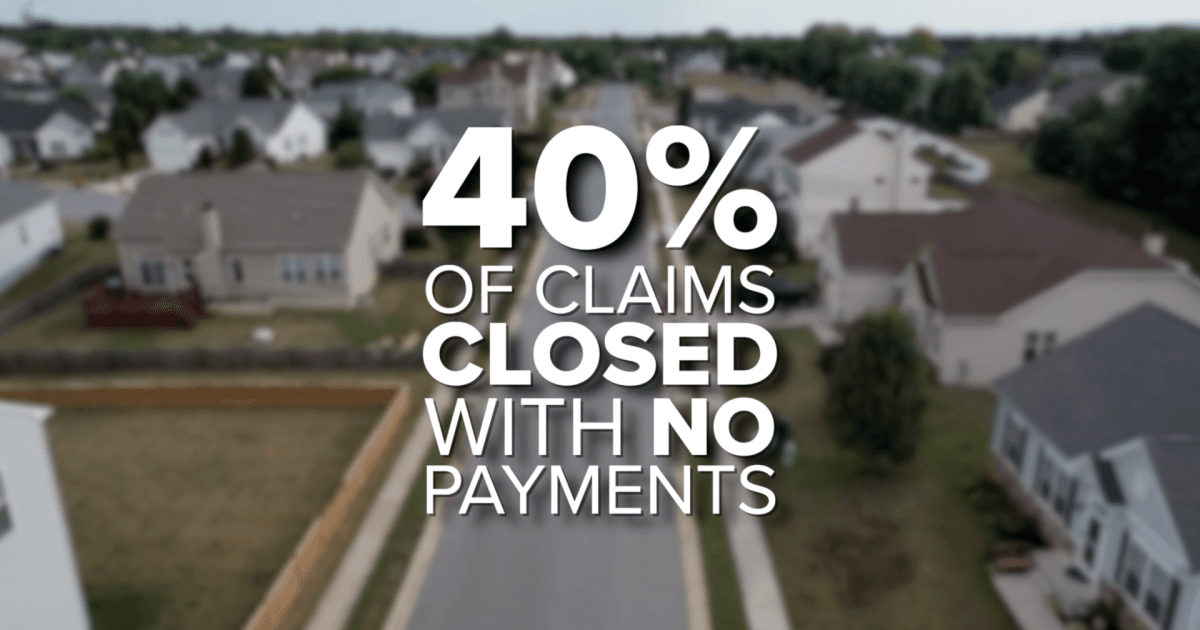
Florida homeowners are now paying an average of $5,838 per year for insurance — nearly $3,000 above the national average — making it one of the most expensive states in the country. As premiums continue to triple for some residents, many are being forced into tough decisions, from delaying home improvements to dropping coverage altogether. With more than 40% of claims closed with no payment and lawmakers pushing for aggressive reforms, the crisis is reshaping Florida’s housing market and placing growing pressure on real estate, mortgage, and insurance professionals statewide.
Griffin Funding has elevated John Jones to Senior Vice President of Growth and EOS Integrator, marking a major step in the company’s long-term expansion strategy. Already a key operational leader since April 2025, Jones will now drive performance optimization, market expansion, and leadership development as the lender pursues an ambitious goal of reaching $3 billion in annual non-QM loan volume by 2030. His promotion underscores Griffin Funding’s commitment to scaling strategically while strengthening its position in the fast-growing non-QM space.
Despite recent Federal Reserve rate cuts, commercial real estate remains frozen. Long‑term Treasury yields continue to climb, keeping borrowing costs high and preventing the relief investors expected. With nearly $1 trillion in commercial loans coming due, refinancing at today’s elevated rates is squeezing owners, slowing transactions, and creating a widening gap between buyers and sellers. For patient, well‑capitalized investors, this period of recalibration may offer some of the strongest opportunities in years.