DFW CRE in 2025: Industrial Roars, Retail Holds Strong, and Office… Still Hurting
With 2025 officially in the rearview mirror, we’re getting a clearer picture of how the final quarter played out for commercial real estate in the Dallas–Fort Worth Metroplex. And while some sectors flexed their muscle, one category continued to limp along: office.
According to fresh Q4 reports released by Partners Real Estate, office performance lagged behind both industrial and retail yet again—no shock to anyone following the long-term fallout of remote and hybrid work.
Office: Another Quarter, Another Struggle
Leasing activity plummeted 31.7% from Q3, and net absorption collapsed by nearly 80%, dropping from 1.4 million square feet to just over 285,000. Vacancy held flat at 25.3%, but that’s hardly a win given the years-long struggle to fill outdated layouts with tenants hungry for flexible, modern environments.
The trend is clear: companies want less space—but better space. And tenants are willing to pay for it. Class A absorption stayed positive while Class B dipped negative, and Class A rents hit a record-breaking $36.20 per square foot.
Meanwhile, one half-empty 36‑story tower in Downtown Dallas—built in the early 1980s—failed to secure a winning bid at auction, despite the potential for conversion, according to The Dallas Morning News.
Uptown and Turtle Creek continue to command the highest rents in the Metroplex at $62.10 per sq. ft., reinforcing their status as Dallas’ premier live‑work‑play districts. Full story via CandysDirt.com.
Industrial: The Unshakeable Powerhouse
While office owners adjust expectations, the industrial sector remains the region’s golden child. Developers delivered 6.7 million square feet in Q4—a massive 82% jump from Q3. Even with the flood of new supply, leasing activity surged 23.6% quarter-over-quarter and an astonishing 70.6% year-over-year.
Warehouse and distribution centers remain the backbone, driven by North Texas’ unmatched logistics advantages. Rents continue climbing, too. Northwest Dallas Outlying leads at $19.13 per square foot, according to the industrial market report.
As reported by CandysDirt.com, industrial strength has also fueled Dallas’ expanding tax base—especially in the booming northwest corridor.
Retail: Quietly Consistent, Impressively Strong
Retail continues its steady rise, posting some of the healthiest fundamentals in the Metroplex. Vacancy stayed at a low 5.1% while net absorption skyrocketed from 278,000 square feet in Q3 to 1.26 million square feet in Q4.
Asking rents saw a strong year-over-year gain of 22.6%, with North Central Dallas leading at $29.31 per sq. ft. Full submarket breakdowns are available in the retail market report.
What Does This Mean for Professionals?
The CRE landscape in DFW is becoming increasingly divided. Industrial is booming. Retail is steady and strong. Office continues its uphill reset. But for professionals—brokers, investors, analysts, and property managers—this environment is rich with opportunity.
Whether you’re adapting to new office‑use trends, exploring industrial investment, or riding the retail wave, deep market knowledge is becoming more essential than ever.
For those building or advancing their commercial real estate careers, programs at Cameron Academy offer flexible, skill‑focused pathways to stay competitive in a rapidly changing market.
2026 Outlook: A Plot Twist or More of the Same?
Will 2026 bring a surprise resurgence in office demand? Some hope so. But with remote work holding firm and AI reshaping business operations, office recovery may still face headwinds.
Industrial and retail, however, show no signs of slowing—setting the stage for another year where the Metroplex continues redefining what modern commercial real estate performance looks like.
For full details, charts, and data, explore the original reporting at
CandysDirt.com.
More Articles
Getting licensed or staying ahead in your career can be a journey—but it doesn’t have to be overwhelming. Grab your favorite coffee or tea, take a moment to relax, and browse through our articles. Whether you’re just starting out or renewing your expertise, we’ve got tips, insights, and advice to keep you moving forward. Here’s to your success—one sip and one step at a time!
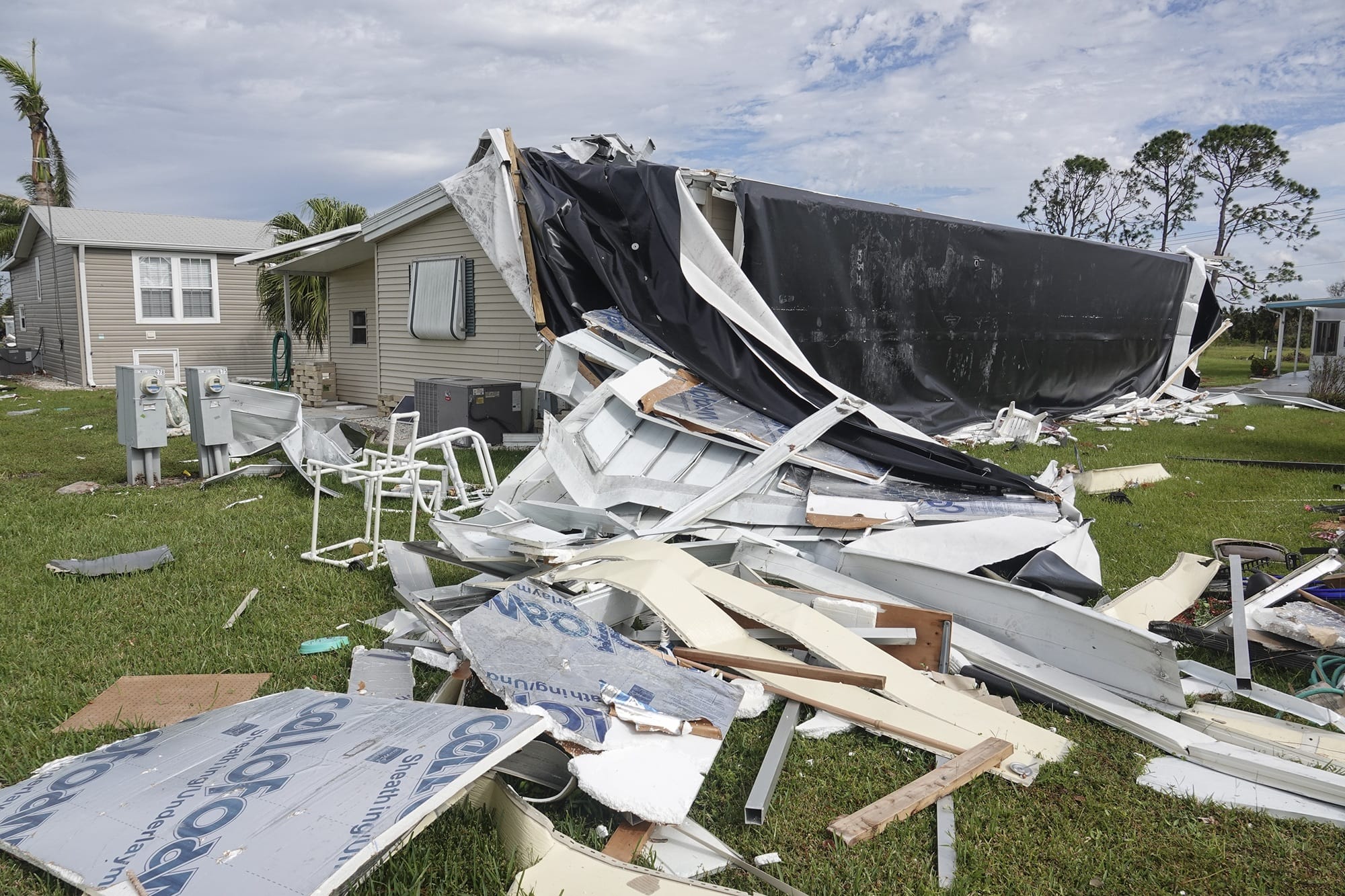
Florida’s property insurance system is once again spiraling as new “market-friendly” reforms fail to stabilize rising premiums, insurer failures, and mounting homeowner frustration. Despite aggressive efforts to shift policyholders from Citizens to private carriers, many of the new insurers stepping in are tied to past insolvencies, questionable ratings, and political influence. For real estate, mortgage, and insurance professionals, these systemic cracks are reshaping closings, valuations, and risk across the state—making it essential to stay ahead of ongoing regulatory and market shifts.
Commercial real estate is heading into a turning‑point year in 2026, driven by economic uncertainty, AI‑powered transformation, shifting demographics and rising portfolio risk. Insights from The Counselors of Real Estate highlight the top issues shaping the year ahead—from fiscal pressures and capital constraints to housing shortages, global volatility and the future of data‑driven decision‑making. For real estate, mortgage, insurance and finance professionals, these trends offer a clear roadmap for staying competitive and preparing for the next wave of industry change.
AI-powered tools, fraud protection systems, and smarter MLS integrations are sweeping through the real estate industry as major organizations adopt new technologies. From RealReports hitting its 50th partnership to BeachesMLS unveiling instant AI home visualizations and Doorify boosting security, professionals are seeing rapid advancements that promise sharper insights, safer transactions, and more efficient rental workflows. This evolving tech landscape underscores the importance of staying educated and adaptable — especially for agents preparing for a competitive, AI-enhanced 2025 market.
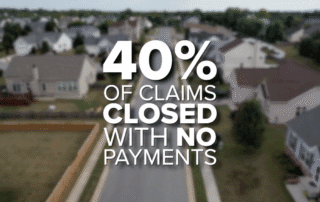
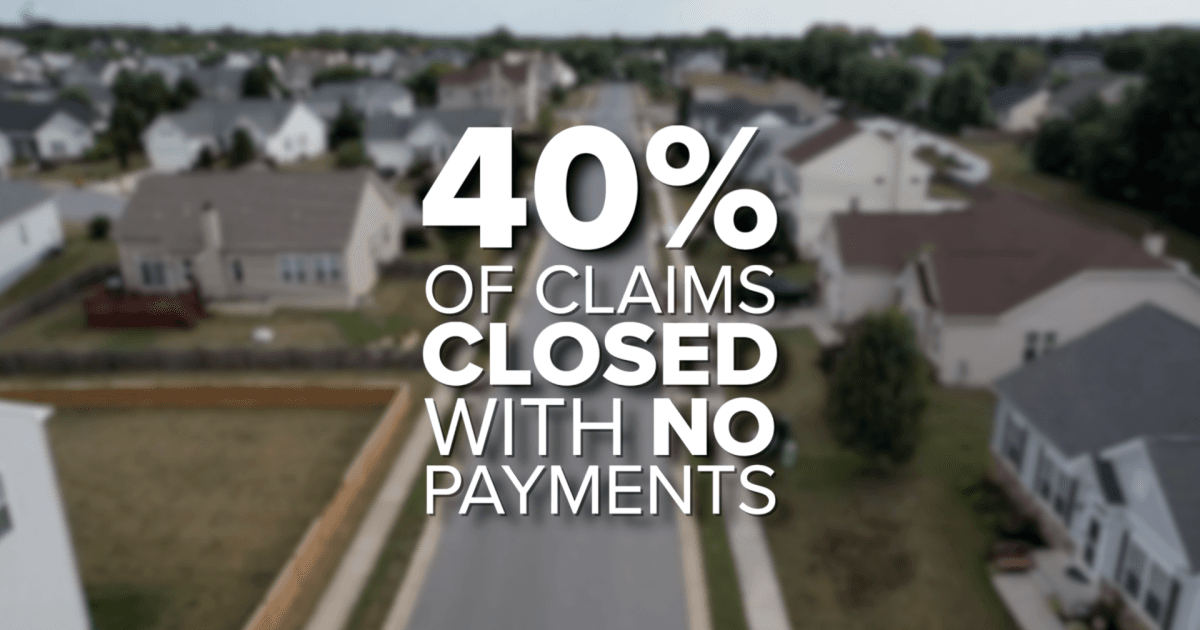
Florida homeowners are being hit with the highest insurance premiums in the nation, averaging $5,838 per year—nearly double the U.S. average. As costs skyrocket, many residents are reporting denied claims, non‑renewals, and impossible financial choices. New investigations reveal that more than 40 percent of claims in Florida close with no payment, while lawmakers push for transparency, fair pricing, and meaningful reform to stabilize a market that’s rapidly becoming unsustainable.
Vend Park, a Boston-based proptech company, has raised $17.5 million in Series A funding to reinvent parking as a high-performing commercial real estate asset. By replacing outdated operator–vendor systems with a unified AI-driven platform, Vend Park is helping major property owners boost NOI by up to 30%, slash operating costs, and modernize the tenant experience. As the company expands from three to fifteen cities and partners with giants like Nuveen and Jamestown, its technology highlights a major shift: real estate professionals must now understand AI, automation, and digital infrastructure to stay competitive.
Keller Williams Realty Atlanta Partners has formed an exclusive partnership with Southeast Mortgage, Georgia’s largest non‑bank mortgage lender. The collaboration promises faster, tech‑enhanced transactions for both agents and homebuyers, combining real estate expertise with streamlined mortgage services. This move reflects a growing trend toward integrated real‑estate ecosystems designed to reduce delays, boost transparency, and modernize the homebuying experience.