DFW CRE in 2025: Industrial Roars, Retail Holds Strong, and Office… Still Hurting
With 2025 officially in the rearview mirror, we’re getting a clearer picture of how the final quarter played out for commercial real estate in the Dallas–Fort Worth Metroplex. And while some sectors flexed their muscle, one category continued to limp along: office.
According to fresh Q4 reports released by Partners Real Estate, office performance lagged behind both industrial and retail yet again—no shock to anyone following the long-term fallout of remote and hybrid work.
Office: Another Quarter, Another Struggle
Leasing activity plummeted 31.7% from Q3, and net absorption collapsed by nearly 80%, dropping from 1.4 million square feet to just over 285,000. Vacancy held flat at 25.3%, but that’s hardly a win given the years-long struggle to fill outdated layouts with tenants hungry for flexible, modern environments.
The trend is clear: companies want less space—but better space. And tenants are willing to pay for it. Class A absorption stayed positive while Class B dipped negative, and Class A rents hit a record-breaking $36.20 per square foot.
Meanwhile, one half-empty 36‑story tower in Downtown Dallas—built in the early 1980s—failed to secure a winning bid at auction, despite the potential for conversion, according to The Dallas Morning News.
Uptown and Turtle Creek continue to command the highest rents in the Metroplex at $62.10 per sq. ft., reinforcing their status as Dallas’ premier live‑work‑play districts. Full story via CandysDirt.com.
Industrial: The Unshakeable Powerhouse
While office owners adjust expectations, the industrial sector remains the region’s golden child. Developers delivered 6.7 million square feet in Q4—a massive 82% jump from Q3. Even with the flood of new supply, leasing activity surged 23.6% quarter-over-quarter and an astonishing 70.6% year-over-year.
Warehouse and distribution centers remain the backbone, driven by North Texas’ unmatched logistics advantages. Rents continue climbing, too. Northwest Dallas Outlying leads at $19.13 per square foot, according to the industrial market report.
As reported by CandysDirt.com, industrial strength has also fueled Dallas’ expanding tax base—especially in the booming northwest corridor.
Retail: Quietly Consistent, Impressively Strong
Retail continues its steady rise, posting some of the healthiest fundamentals in the Metroplex. Vacancy stayed at a low 5.1% while net absorption skyrocketed from 278,000 square feet in Q3 to 1.26 million square feet in Q4.
Asking rents saw a strong year-over-year gain of 22.6%, with North Central Dallas leading at $29.31 per sq. ft. Full submarket breakdowns are available in the retail market report.
What Does This Mean for Professionals?
The CRE landscape in DFW is becoming increasingly divided. Industrial is booming. Retail is steady and strong. Office continues its uphill reset. But for professionals—brokers, investors, analysts, and property managers—this environment is rich with opportunity.
Whether you’re adapting to new office‑use trends, exploring industrial investment, or riding the retail wave, deep market knowledge is becoming more essential than ever.
For those building or advancing their commercial real estate careers, programs at Cameron Academy offer flexible, skill‑focused pathways to stay competitive in a rapidly changing market.
2026 Outlook: A Plot Twist or More of the Same?
Will 2026 bring a surprise resurgence in office demand? Some hope so. But with remote work holding firm and AI reshaping business operations, office recovery may still face headwinds.
Industrial and retail, however, show no signs of slowing—setting the stage for another year where the Metroplex continues redefining what modern commercial real estate performance looks like.
For full details, charts, and data, explore the original reporting at
CandysDirt.com.
More Articles
Getting licensed or staying ahead in your career can be a journey—but it doesn’t have to be overwhelming. Grab your favorite coffee or tea, take a moment to relax, and browse through our articles. Whether you’re just starting out or renewing your expertise, we’ve got tips, insights, and advice to keep you moving forward. Here’s to your success—one sip and one step at a time!
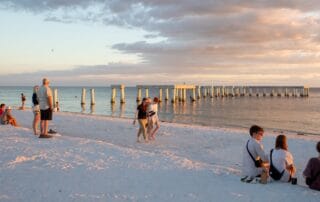
Fort Myers Beach is becoming the front line of a new Florida—one shaped by hurricane devastation, soaring insurance premiums, and rapid gentrification. Three years after Hurricane Ian, residents are still battling massive rebuilding costs and insurance bills that now exceed $5,700 a year on average, with flood insurance reaching $10,000 for some families. Long-time locals, small businesses, and service workers are being priced out as wealthy investors move in, transforming once-affordable coastal communities. Real estate professionals warn that foreclosures may rise if economic pressures continue, signaling a pivotal moment for Florida’s housing market and the professionals who serve it.
Economic uncertainty, AI disruption, slowing population growth, and rising portfolio risk are reshaping commercial real estate heading into 2026. A new report unveiled at NAR NXT highlights the forces that will reward informed professionals — and challenge those who aren’t prepared. From fiscal policy and shifting capital flows to tech transformation and housing shortages, the landscape is evolving fast. Cameron Academy breaks down the key issues so real estate, mortgage, finance, and insurance professionals can stay ahead of the curve.
A sudden federal shutdown of FEMA’s BRIC resiliency program has left cities and commercial property owners scrambling, exposing billions in real estate to rising climate threats. With nearly a billion dollars in mitigation funding clawed back and extreme weather intensifying, insurance premiums are expected to surge and coverage may shrink — placing new pressure on markets like Florida and New York.
A new Florida Senate bill aims to stop cities and counties from blocking residential developments over vague “compatibility” concerns. Supporters say the measure would speed up homebuilding and ease housing shortages, while opponents argue it strips communities of essential oversight and could accelerate growth without proper planning. The proposal could reshape development timelines and land-use decisions statewide, making it a major issue for real estate professionals to watch.
Cape Coral–Fort Myers has officially moved into buyer-friendly territory, with homes now sitting a median 119 days on the market—far longer than both the Florida and U.S. averages. Rising inventory, a 36.9 percent price‑reduction rate, and slower absorption compared to accumulated supply are giving buyers more leverage and time to negotiate, signaling a meaningful reset in this once‑fast‑moving Florida market.
Kansas City’s commercial real estate sector is finally turning a corner after several years of sluggish activity. Retail is leading the rebound, while multifamily and industrial properties are gaining traction as pricing stabilizes and buyer confidence returns. A standout 2025 transaction—the sale of the 380‑unit Cyan Southcreek community—signals that capital is flowing back into the market. With bid‑ask spreads tightening and investor optimism rising, Kansas City is entering a period of renewed opportunity for real estate professionals and investors alike.

 Florida’s Middle Class Is Being Squeezed Out: Insurance Costs, Rebuilding Struggles, and a Changing Coastline Gallery