The Bay Area housing market, renowned for its competitive nature and soaring prices, continues to evolve, leaving both buyers and sellers eager for insights to navigate its complexities. This dynamic market, centered around San Francisco, Oakland, and San Jose, remains a focal point due to its unique blend of economic strength, cultural vibrancy, and desirable living conditions.
Market Predictions and Trends
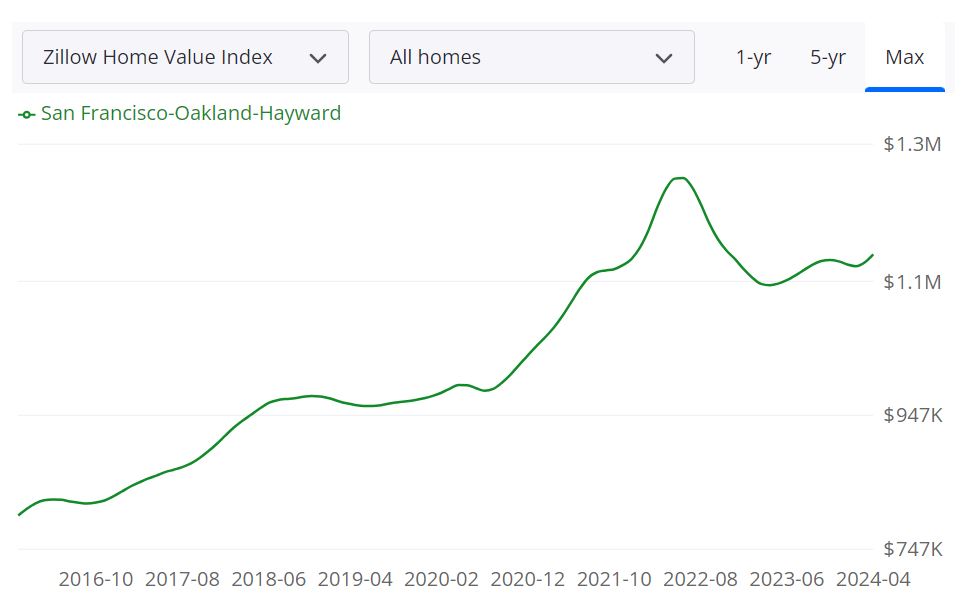
The Bay Area housing market in 2024 is projected to unfold in one of three scenarios, each influenced by various economic factors:
Moderate Price Correction: Rising interest rates and economic uncertainties could lead to a slight decline in prices, providing some relief to buyers without triggering a market crash.
Stagnant Growth: Strong demand, coupled with housing shortages, might stabilize prices, offering no significant advantage to either buyers or sellers.
Continued Growth: Despite economic challenges, the limited housing supply and high desirability may sustain price increases, though at a slower pace.
Key indicators like inventory levels, days on the market, and sales volume will be crucial in forecasting the market’s trajectory.
Reasons for High Prices
Several factors contribute to the Bay Area’s steep housing costs:
Strong Economy: As a global tech hub, the region attracts high-income professionals, fueling demand.
Limited Supply: Geographical constraints and strict zoning laws hinder new construction efforts.
High Land Costs and Foreign Investment: Expensive land and international buyers drive prices upward.
Desirability and Limited Growth Space: The area’s quality of life and restricted space for expansion add to the price pressures.
Hottest Markets and Investment Opportunities
Currently, the suburb of Woodlands in Walnut Creek is experiencing a market surge thanks to its suburban appeal and proximity to job centers. Other areas like Oakland in the East Bay and Fremont in the South Bay are also attracting significant interest from buyers.
For investors, the Bay Area’s enduring demand, diverse locations, and robust rental market present lucrative opportunities. However, challenges such as high property prices and complex regulations require careful market analysis. The region offers a range of real estate investment options, from residential and multi-unit properties to commercial real estate and short-term rentals.
The Bay Area’s robust economy, heavily driven by the tech sector, continues to promise growth. Despite supply shortages and zoning restrictions, the region remains a potentially rewarding arena for real estate investments, as detailed in the original article from Norada Real Estate Investments.
More Articles
Getting licensed or staying ahead in your career can be a journey—but it doesn’t have to be overwhelming. Grab your favorite coffee or tea, take a moment to relax, and browse through our articles. Whether you’re just starting out or renewing your expertise, we’ve got tips, insights, and advice to keep you moving forward. Here’s to your success—one sip and one step at a time!
Florida homeowners — especially in hard‑hit South Florida — are set to see rare and substantial reductions in their property insurance premiums. Gov. Ron DeSantis announced an average statewide Citizens Insurance decrease of 8.7%, with even larger savings of up to 14% in counties like Miami-Dade, Broward, and Palm Beach. State officials credit recent legal and regulatory reforms for stabilizing the market, attracting new insurers, and delivering the first meaningful rate relief Floridians have seen in years.
Tampa’s commercial real estate market isn’t slowing—it’s maturing. With strong population growth, rising office demand, a normalized industrial sector, resurgent retail, and an emerging health‑care real estate boom, investors are shifting from speed to strategy. Tighter underwriting, cautious capital and increased due‑diligence are shaping a more disciplined market, creating new opportunities for informed professionals.
Florida homeowners are finally seeing relief as Citizens Property Insurance announces a major 8.7% average rate decrease—far larger than originally proposed. Driven by legislative reforms, fewer lawsuits, and a calm hurricane season, the state’s once‑unstable insurance market is showing real signs of recovery. But with reduced coverage limits and shifting legal protections, experts warn that lower premiums may come with hidden trade‑offs.
After a decade of rising premiums and retreating carriers, Florida homeowners are finally seeing long‑awaited relief. Dozens of insurers have filed for rate decreases—some as high as 11%—thanks to legislative reforms and a stabilizing market. Early approvals are already hitting counties across the state, and experts say the momentum could boost buyer confidence, affordability, and competition throughout Florida’s real estate and insurance sectors.
After years of slowed activity caused by rising interest rates, the self‑storage industry is heating up again. New data from Marcus & Millichap shows a fresh market cycle emerging, driven by renewed buyer confidence, recalibrated pricing, and stronger lender participation. Acquisitions are rebounding, development is resetting in a healthier direction, and financing conditions are improving—creating one of the most promising investment landscapes the sector has seen in years.
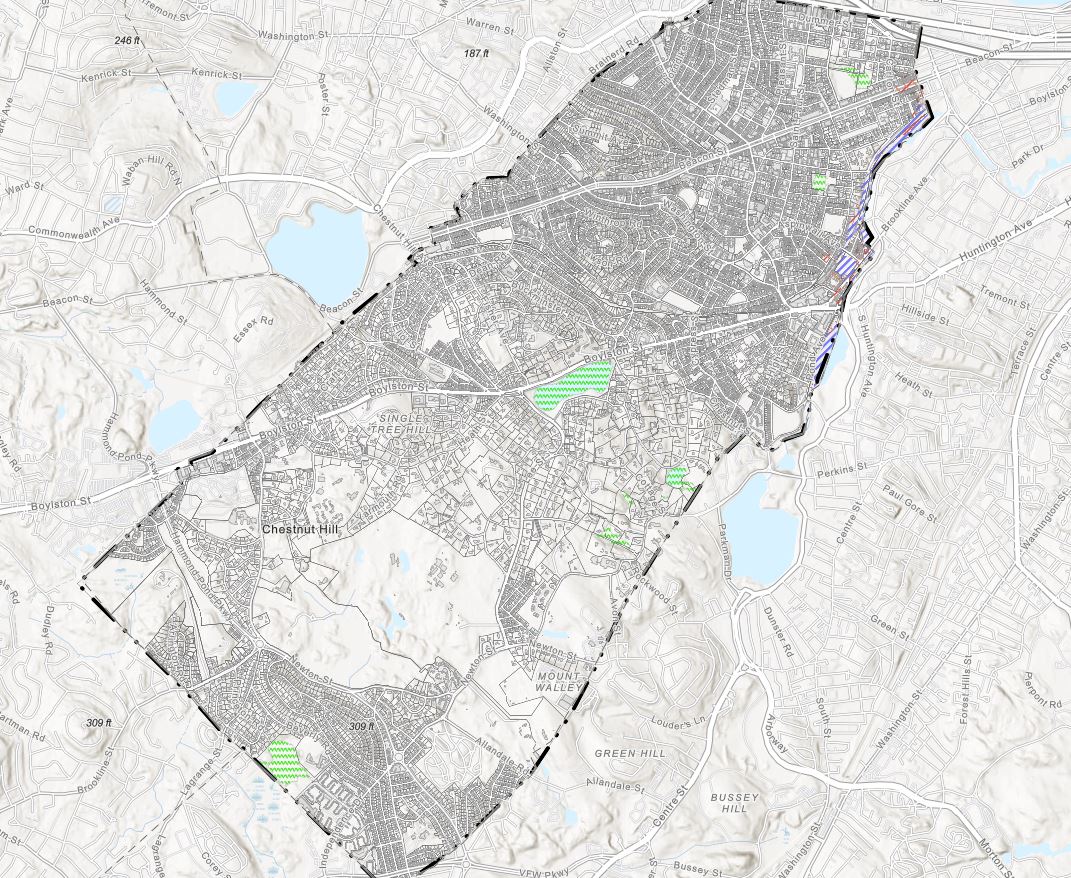
Brookline’s newly updated FEMA flood maps identify 97 high‑risk parcels, but local experts warn the true threat is far greater. While FEMA highlights river‑based flooding around Leverett Pond and the Muddy River, alternative models show more than 1,300 Brookline properties at risk within 30 years. Hidden vulnerabilities along major corridors like Beacon Street, rising rainfall intensity, aging infrastructure, and climate‑driven storm patterns suggest that many “low‑risk” areas may be anything but safe.