Florida Insurance Costs Drop 14.5% After Major Reforms, New Report Finds
Florida’s sweeping 2022 and 2023 legislative reforms are doing more than calming the state’s turbulent insurance market—they’re reshaping the economic landscape. According to a powerful new analysis from the Perryman Group, property‑casualty insurance costs in Florida are now 14.5% lower than they would have been without the reforms.
The update arrives after years of soaring premiums, insurer failures, and widespread concern that the state’s insurance market was reaching a breaking point. Now, the numbers reveal something Floridians haven’t seen in years: real relief.
Billions Flowing Back Into Florida’s Economy
The Perryman Group—a respected, non-partisan economic research firm—reports that the insurance cost reductions are responsible for generating more than $4.2 billion in economic activity statewide. Even more striking: over 29,000 new jobs have been created as a result.
“Florida’s tort reforms are achieving exactly what policymakers intended,” said Stef Zielezienski, executive vice president and chief legal officer for the American Property Casualty Insurance Association. According to APCIA, the reforms have eased excessive litigation pressures, encouraged insurers to re-enter the market, and slowed the once‑explosive rise of premiums for consumers and businesses alike.
Premiums Finally Cooling After Years of Increases
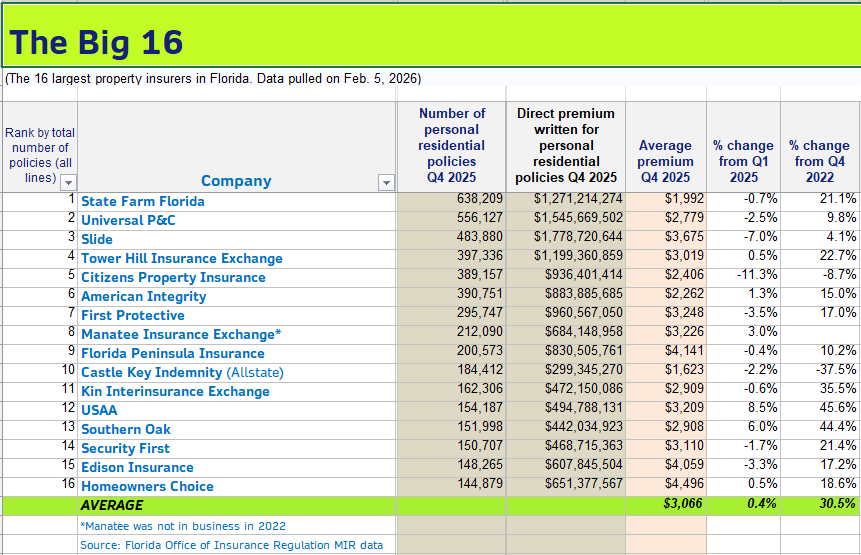
Fresh data from the Florida Office of Insurance Regulation adds even more support. Among the 16 largest property insurers in the state, average residential premiums rose less than 1% in 2025—an astonishing improvement compared to the back‑to‑back years of double‑digit increases.
Even better: ten of those carriers actually lowered their premiums last year, with reductions as significant as 11%. After a decade of turbulence, this marks a notable step toward true market stability.
Lower insurance costs affect far more than homeowners. They ripple outward—boosting commercial development, empowering small businesses, and strengthening long‑term economic health across Florida.
For professionals in industries like insurance, real estate, finance, and beyond, understanding these shifts is essential. Schools such as Cameron Academy play a pivotal role by helping Florida professionals stay educated, licensed, and prepared for rapid changes in the market.
As the Perryman analysis highlights, these benefits are expected to grow exponentially over time, supporting a stable legal environment and fueling sustainable statewide economic expansion.
More Articles
Getting licensed or staying ahead in your career can be a journey—but it doesn’t have to be overwhelming. Grab your favorite coffee or tea, take a moment to relax, and browse through our articles. Whether you’re just starting out or renewing your expertise, we’ve got tips, insights, and advice to keep you moving forward. Here’s to your success—one sip and one step at a time!
Cameron Academy is thrilled to offer the Free Annual Florida Real Estate Sales Associate 63-Hour Pre-License Course Livestream. This exclusive event is an opportunity for aspiring real estate professionals to gain expert instruction, access a comprehensive curriculum, and connect with a network of professionals in the industry. The course will be livestreamed from December 04-15, 2023, allowing you to participate from the comfort of your own home or office. Register now to secure your spot in this highly sought-after course. Spaces are limited, so early registration is highly recommended. Take the first step towards your real estate career today!
Coldwell Banker, a renowned real estate brand, has recently appointed Jason Waugh as the new president of Coldwell Banker Affiliates. In his new role, Waugh will be responsible for overseeing the brand's strategy, operations, and sales for its growing network of franchises. This appointment comes as Coldwell Banker aims to further strengthen its position in the real estate market. With an impressive background in the industry, Waugh brings a wealth of experience to his new position. Previously associated with Berkshire Hathaway HomeServices and Berkshire Hathaway Home Services Real Estate Professionals for 18 years, Waugh's expertise and leadership qualities make him an ideal fit for this role.
United Wholesale Mortgage (UWM), the country's leading lender, has increased its agency conforming loan limits to $750,000. This move, ahead of the Federal Housing Finance Agency's expected decision, applies to conventional and VA loans locked from October 11. The decision offers borrowers greater flexibility and access to larger loan amounts, with the benefits of conforming loans. These loans meet the guidelines set by government-sponsored enterprises like Fannie Mae and Freddie Mac, offering lower interest rates and more favorable terms compared to non-conforming or jumbo loans.
PNC Bank has implemented a cost-cutting strategy, leading to layoffs and a shift in focus towards expense management and strategic priorities. The bank aims to streamline operations, improve efficiency, and reallocate resources to align with long-term goals. Despite the layoffs, PNC Bank is committed to supporting affected employees during the transition period. Learn more about PNC Bank's strategy and its impact on the industry at Cameron Academy, a leading career education school.
Government-sponsored enterprise (GSE) loan buybacks have emerged as a significant issue for lenders in the mortgage market. The sudden increase in buybacks from entities like Fannie Mae and Freddie Mac is causing financial and operational strain among lenders. The rise in loan buybacks is largely due to stricter underwriting guidelines enforced by these GSEs. The impact of these buybacks is significant and far-reaching. Lenders not only face financial losses from repurchasing loans, but they also encounter operational challenges. The surge in loan buybacks has created uncertainty in the mortgage market, potentially slowing down the housing market. In response to the challenges posed by loan buybacks, lenders are implementing stricter underwriting practices and enhancing their quality control processes.
The housing market is currently witnessing an unusual trend - a deceleration in the growth of housing inventory, despite the rise in mortgage rates. This unexpected development has triggered concerns among potential buyers and industry experts. With mortgage rates climbing from their historic lows, the number of homes available for sale remains surprisingly stagnant. We investigate the factors contributing to this unexpected stagnation in inventory growth and examine the implications of rising mortgage rates, limited new listings, and an increase in price cuts. We also consider the impact of external elements such as labor reports and geopolitical risks on the housing market.