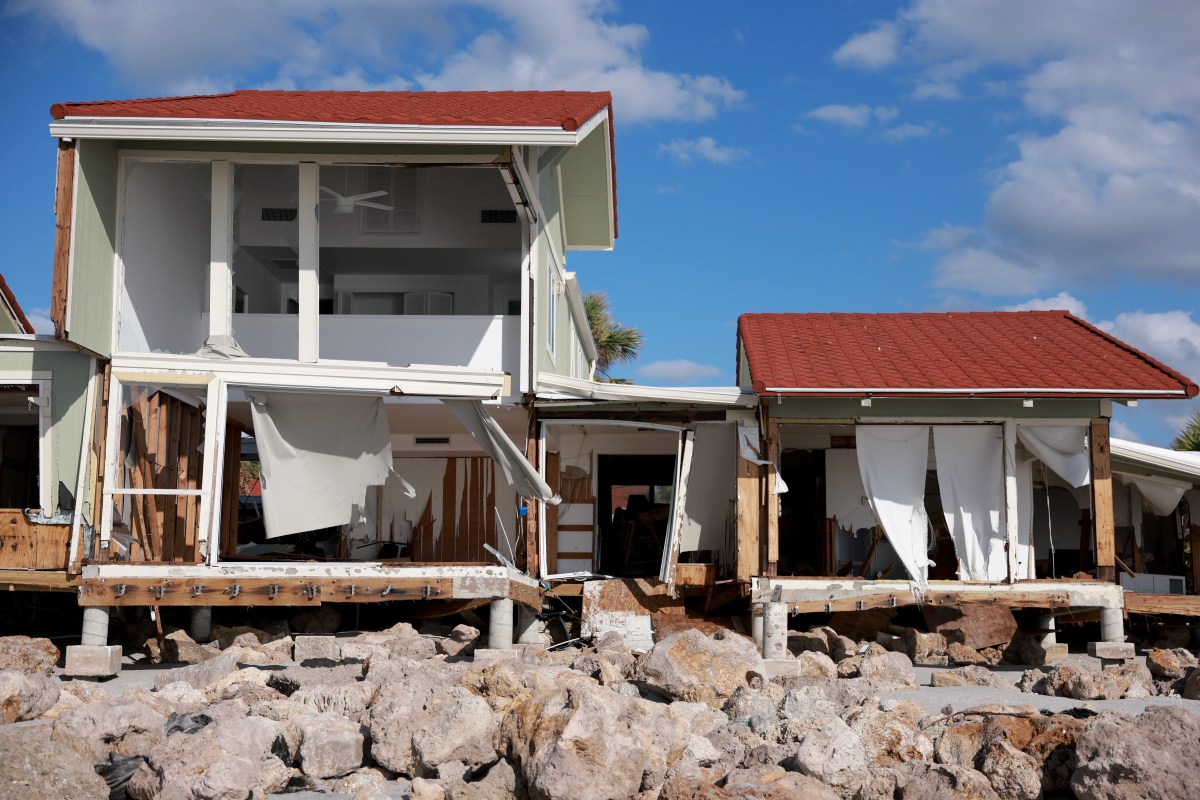
Storm damaged coastal home

Florida’s Insurance Turmoil Draws Federal Scrutiny — And Why It Matters for Real Estate and Mortgage Professionals

A fresh investigation has been opened into the Florida insurance landscape, and it’s raising alarms from Washington to Miami. Three U.S. senators have launched a formal inquiry into Demotech — the ratings firm whose assessments determine which insurers remain eligible for mortgages backed by Fannie Mae and Freddie Mac. The concern? That “lightly regulated” ratings may be exposing America’s largest mortgage players, and ultimately taxpayers, to a potential market collapse.

Why This Matters More Than Ever

Demotech has been a central figure in Florida’s volatile insurance market for decades, originally created to rate smaller insurers that bigger agencies wouldn’t touch. But despite holding the majority of ratings in Florida, a troubling pattern has emerged: insurers with strong Demotech ratings have still gone insolvent — more than 20 percent between 2009 and 2022.

A joint study from Columbia Business School, Harvard Business School, and the Federal Reserve Board found that over 60 percent of Florida insurers held a Demotech rating — far more than in any other state. This means the state’s entire housing ecosystem, from homeowners to lenders, is deeply intertwined with the firm’s methodology.

The Federal Concern

Fannie Mae and Freddie Mac together back most of the 51 million residential mortgages in the U.S. Yet both institutions have accepted a minimum “A” rating from Demotech since the late 1980s — without reevaluating whether that rating still meets modern risk standards.

Lawmakers argue this may allow private lenders to pass riskier, climate‑vulnerable mortgages into the federal system, where taxpayers ultimately bear the consequences. In their letter, Senators Sheldon Whitehouse, Ron Wyden, and Elizabeth Warren warn that a climate‑driven insurance collapse in Florida could ripple through mortgage‑backed securities, triggering defaults and destabilizing the national market — a scenario they compare to the 2008 financial crisis.

What People Are Saying

“Demotech’s deep involvement in the Florida insurance market — and its repeated methodological shortcomings — raise profound governance and reliability concerns,” the senators wrote.

Bob Warren, ratings manager at Demotech, defended the company, saying that no firm can predict insolvency 18 months out — and that ratings should not extend further than a 12‑month projection.

What’s Next?

Lawmakers are demanding answers. They’ve asked Fannie Mae and Freddie Mac to strengthen oversight of insurer risk and provide detailed explanations of their risk‑management processes by January 13, 2026.

The outcome could reshape how insurers are rated, how mortgages are approved, and how risk is measured in high‑exposure states like Florida.

Why Professionals Should Pay Attention

For real estate agents, mortgage brokers, insurance professionals, and anyone navigating Florida’s unique housing landscape, this investigation signals long‑term shifts in how property risk is evaluated. Understanding these changes is critical for advising clients, anticipating market shifts, and protecting your business.

If you’re expanding your skills or pursuing a new license in real estate, insurance, or finance, institutions like Cameron Academy help professionals stay ahead of regulatory, economic, and market‑driven changes shaping the industry.

This story is still developing. For the original reporting, visit the full article on Newsweek.

More Articles

Getting licensed or staying ahead in your career can be a journey—but it doesn’t have to be overwhelming. Grab your favorite coffee or tea, take a moment to relax, and browse through our articles. Whether you’re just starting out or renewing your expertise, we’ve got tips, insights, and advice to keep you moving forward. Here’s to your success—one sip and one step at a time!

Florida’s Insurance Wake‑Up Call: Why Reading Your Policy Matters More Than You Think

Many Floridians are discovering after major hurricanes that what they assumed was covered by their insurance simply isn’t. With more than 100,000 claims denied or closed without payment and widespread confusion over gaps like flood versus hurricane coverage, experts warn that the fine print can hit harder than the storm itself. As premiums rise and policies grow more complex, understanding what’s actually protected has become essential for homeowners and real estate professionals alike.

The Strongest October Housing Market in 3 Years: What Zillow’s New Report Means for Today’s Pros

A new report from Zillow shows the U.S. just experienced its strongest October housing market since 2021, with inventory rising, affordability improving, and both new listings and pending sales up 5% year-over-year. Nineteen major markets now favor buyers—nine more than last year—as mortgage rates ease, inventory rebounds, and home values level off. For real estate professionals, especially in Florida, these shifts signal a market gaining momentum heading into 2025 and beyond.

Top Commercial Real Estate Issues to Watch in 2026

Commercial real estate is heading into 2026 with major shifts in policy, technology, investment flows, and market fundamentals. From tightening capital sources and AI-driven decision-making to nationwide housing shortages and a looming wave of maturing debt, professionals across real estate, finance, insurance, and development must adapt quickly. These trends will shape opportunities, risks, and required skills in the year ahead—making strategic education and licensing upgrades more important than ever.

Wall Street on Edge After Cyberattack Exposes Sensitive Real Estate and Mortgage Data

A major cyberattack on real‑estate data giant SitusAMC has triggered emergency responses across Wall Street, exposing sensitive loan records and legal documents tied to major banks like JPMorgan and Citigroup. While operations have been restored, the breach highlights critical weaknesses in third‑party vendors that support the nation’s real‑estate and mortgage infrastructure. Federal investigators and financial institutions are now racing to assess the fallout as experts warn of long‑term risks to the digital systems underpinning multi‑trillion‑dollar lending markets.

Australia’s Commercial Real Estate Market Is Transforming — What Professionals Need to Know Now

Australia’s commercial real estate sector is undergoing a major long‑term shift driven by hybrid work, booming logistics demand, sustainability priorities and evolving global capital flows. With the market projected to grow from USD 11.96 billion in 2024 to USD 21.03 billion by 2033, the biggest opportunities are emerging in industrial assets, ESG‑certified buildings, flexible workspaces and adaptive reuse projects. These trends echo changes developing in the U.S.—including Florida—making Australia a valuable case study for professionals watching the future of commercial real estate.

How Chat‑Based AI Is Revolutionizing Real Estate Listing Photos

A new wave of chat‑driven AI tools is transforming how agents market properties by letting them edit listing photos simply by describing what they want changed. From removing clutter to adjusting lighting or staging entire rooms, professionals can now showcase a unit’s full potential long before it’s camera‑ready. This technology boosts efficiency for property managers, enhances buyer engagement through interactive visuals, and underscores the importance of transparency as AI becomes a core part of real estate marketing.