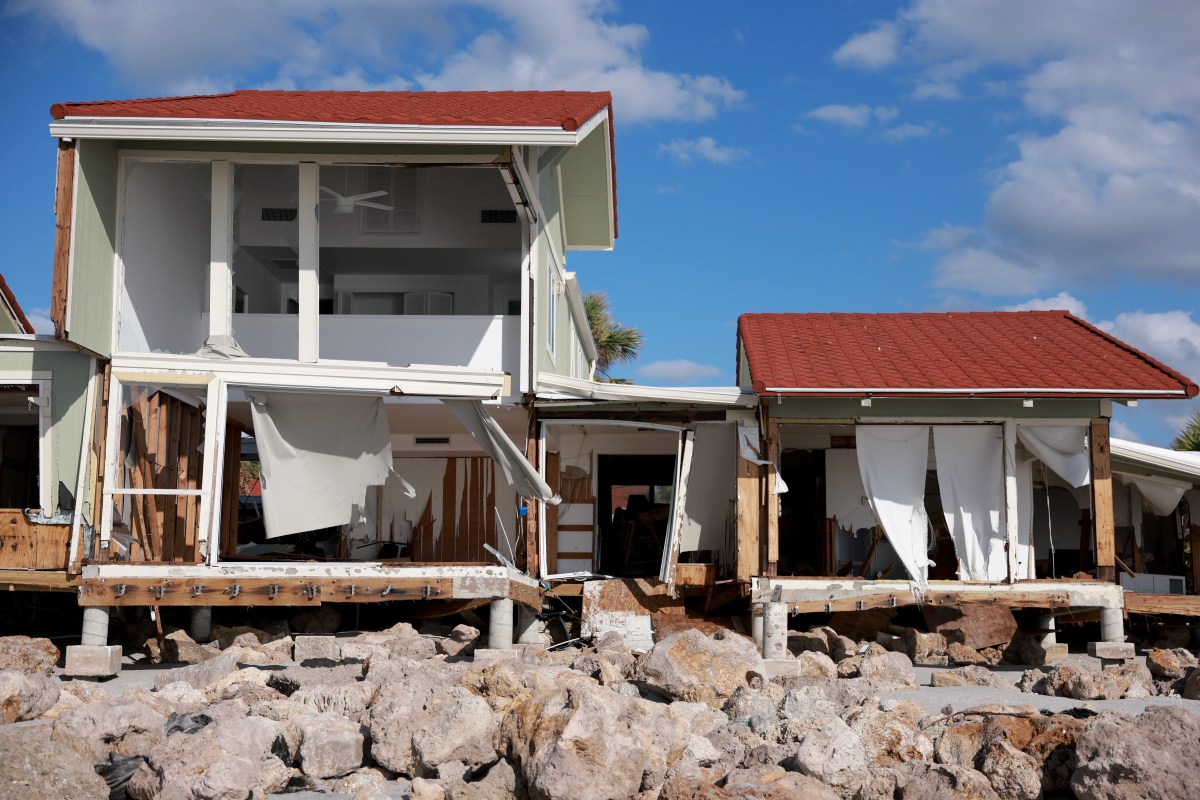
Storm damaged coastal home

Florida’s Insurance Turmoil Draws Federal Scrutiny — And Why It Matters for Real Estate and Mortgage Professionals

A fresh investigation has been opened into the Florida insurance landscape, and it’s raising alarms from Washington to Miami. Three U.S. senators have launched a formal inquiry into Demotech — the ratings firm whose assessments determine which insurers remain eligible for mortgages backed by Fannie Mae and Freddie Mac. The concern? That “lightly regulated” ratings may be exposing America’s largest mortgage players, and ultimately taxpayers, to a potential market collapse.

Why This Matters More Than Ever

Demotech has been a central figure in Florida’s volatile insurance market for decades, originally created to rate smaller insurers that bigger agencies wouldn’t touch. But despite holding the majority of ratings in Florida, a troubling pattern has emerged: insurers with strong Demotech ratings have still gone insolvent — more than 20 percent between 2009 and 2022.

A joint study from Columbia Business School, Harvard Business School, and the Federal Reserve Board found that over 60 percent of Florida insurers held a Demotech rating — far more than in any other state. This means the state’s entire housing ecosystem, from homeowners to lenders, is deeply intertwined with the firm’s methodology.

The Federal Concern

Fannie Mae and Freddie Mac together back most of the 51 million residential mortgages in the U.S. Yet both institutions have accepted a minimum “A” rating from Demotech since the late 1980s — without reevaluating whether that rating still meets modern risk standards.

Lawmakers argue this may allow private lenders to pass riskier, climate‑vulnerable mortgages into the federal system, where taxpayers ultimately bear the consequences. In their letter, Senators Sheldon Whitehouse, Ron Wyden, and Elizabeth Warren warn that a climate‑driven insurance collapse in Florida could ripple through mortgage‑backed securities, triggering defaults and destabilizing the national market — a scenario they compare to the 2008 financial crisis.

What People Are Saying

“Demotech’s deep involvement in the Florida insurance market — and its repeated methodological shortcomings — raise profound governance and reliability concerns,” the senators wrote.

Bob Warren, ratings manager at Demotech, defended the company, saying that no firm can predict insolvency 18 months out — and that ratings should not extend further than a 12‑month projection.

What’s Next?

Lawmakers are demanding answers. They’ve asked Fannie Mae and Freddie Mac to strengthen oversight of insurer risk and provide detailed explanations of their risk‑management processes by January 13, 2026.

The outcome could reshape how insurers are rated, how mortgages are approved, and how risk is measured in high‑exposure states like Florida.

Why Professionals Should Pay Attention

For real estate agents, mortgage brokers, insurance professionals, and anyone navigating Florida’s unique housing landscape, this investigation signals long‑term shifts in how property risk is evaluated. Understanding these changes is critical for advising clients, anticipating market shifts, and protecting your business.

If you’re expanding your skills or pursuing a new license in real estate, insurance, or finance, institutions like Cameron Academy help professionals stay ahead of regulatory, economic, and market‑driven changes shaping the industry.

This story is still developing. For the original reporting, visit the full article on Newsweek.

More Articles

Getting licensed or staying ahead in your career can be a journey—but it doesn’t have to be overwhelming. Grab your favorite coffee or tea, take a moment to relax, and browse through our articles. Whether you’re just starting out or renewing your expertise, we’ve got tips, insights, and advice to keep you moving forward. Here’s to your success—one sip and one step at a time!

Tampa Emerges as the Nation’s Foreclosure Hotspot as Florida Leads in Housing Distress

Florida now holds the highest foreclosure rate in the country, and Tampa sits at the center of the surge. With one in every 1,373 homes facing foreclosure, skyrocketing insurance premiums, rising housing costs and reduced equity are pushing many homeowners—especially those who purchased between 2020 and 2023—into financial distress. While some experts view the spike as a market “normalization,” professionals in real estate and finance are watching closely as Tampa’s backlog clears and pressure continues to build across the state.

Northwest Austin Begins Major Redevelopment as Former 3M Campuses Transform Into Mixed‑Use Hubs

Two former 3M campuses in Northwest Austin are set for a dramatic rebirth as Karlin Real Estate pushes forward with plans for Highpoint 2222 and the Duval site. The vision includes office and lab space, up to 65,000 square feet of retail, more than 1,200 multifamily homes, and new green space. With over 500 residents weighing in through the 2222 Coalition of Neighborhood Associations, traffic, density, and environmental protections are shaping the final blueprint. As office demand cools, mixed‑use development is becoming the new normal—positioning this corridor for one of the biggest transformations Austin has seen in years.

Is There Really a Housing Crisis? A Fresh, Ground‑Level Look at Today’s Market

Despite constant headlines about a “housing crisis,” many economists and industry professionals argue the reality is more nuanced. In many regions, the issue isn’t a lack of homes but a mismatch between what’s available and what buyers want or can afford. As demographic shifts and remote work reshape demand, the market is evolving—not collapsing—creating opportunities for real estate, mortgage, insurance, and finance professionals who understand the difference between perception and reality.

Florida’s Insurance Crisis Is Reshaping Communities and Squeezing the Middle Class

Hurricane Ian’s aftermath has exposed a growing affordability crisis across Southwest Florida. Skyrocketing insurance premiums, soaring construction costs, and rapid gentrification are making it harder for long‑time residents and middle‑class families to stay in their communities. From Fort Myers Beach to inland neighborhoods, homeowners, renters, and small businesses are feeling the pressure as rising costs reshape the region’s housing market and push many to reconsider their future in the state.

Florida’s Home Insurance Shake‑Up Exposes Old Problems Behind New Reforms

Florida’s home insurance market is facing its biggest credibility crisis in years. Despite major reforms meant to stabilize the system, homeowners are being pushed from Citizens into higher‑priced private insurers, many tied to companies that previously collapsed. Questionable financial ratings, high claim‑denial rates, and luxury‑level executive payouts are raising red flags across the state. For real estate and insurance professionals, this unstable landscape is reshaping home affordability, buyer confidence, and long‑term risk in Florida’s property market.

Michigan Moves Toward Fully Online Continuing Education for Licensed Professionals

A new Michigan House bill aims to let licensed professionals complete all continuing education requirements online, offering greater flexibility for workers juggling rural travel, multiple jobs, or family demands. Supporters say the reform maintains high professional standards while removing unnecessary barriers, with regulators backing the shift and in‑person options remaining available.