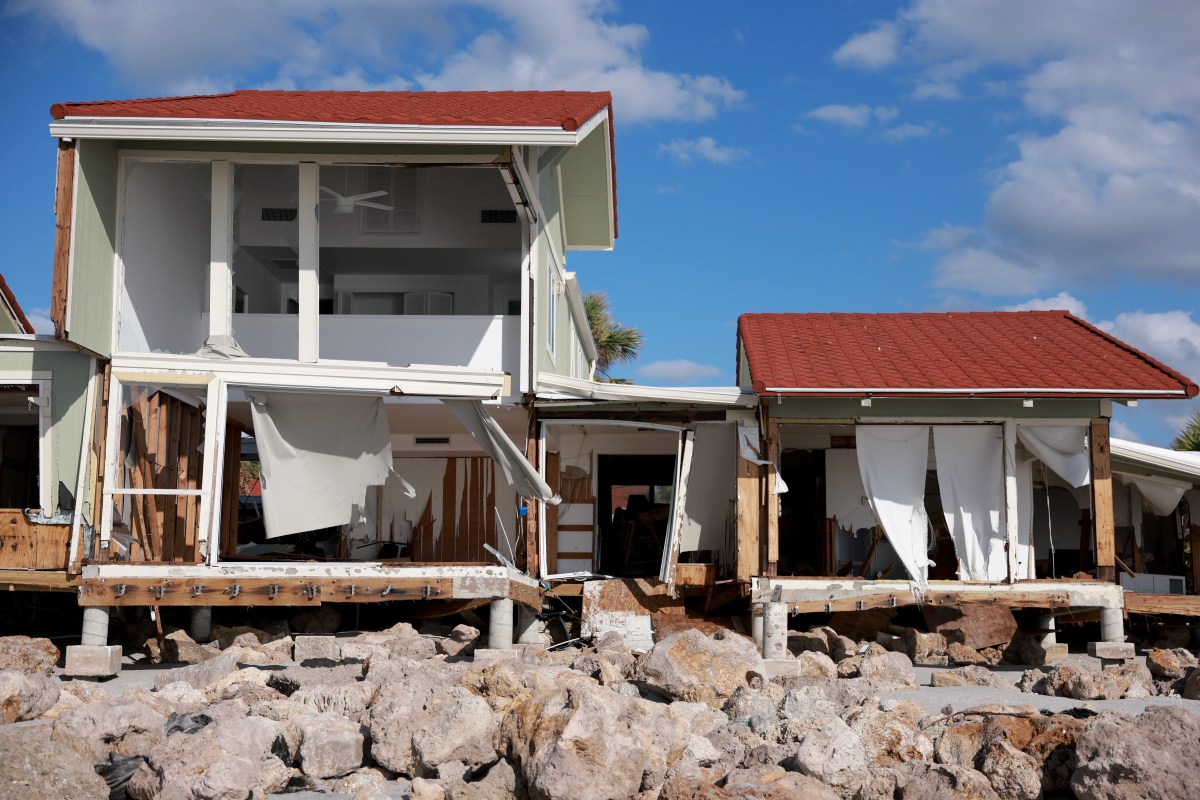
Storm damaged coastal home

Florida’s Insurance Turmoil Draws Federal Scrutiny — And Why It Matters for Real Estate and Mortgage Professionals

A fresh investigation has been opened into the Florida insurance landscape, and it’s raising alarms from Washington to Miami. Three U.S. senators have launched a formal inquiry into Demotech — the ratings firm whose assessments determine which insurers remain eligible for mortgages backed by Fannie Mae and Freddie Mac. The concern? That “lightly regulated” ratings may be exposing America’s largest mortgage players, and ultimately taxpayers, to a potential market collapse.

Why This Matters More Than Ever

Demotech has been a central figure in Florida’s volatile insurance market for decades, originally created to rate smaller insurers that bigger agencies wouldn’t touch. But despite holding the majority of ratings in Florida, a troubling pattern has emerged: insurers with strong Demotech ratings have still gone insolvent — more than 20 percent between 2009 and 2022.

A joint study from Columbia Business School, Harvard Business School, and the Federal Reserve Board found that over 60 percent of Florida insurers held a Demotech rating — far more than in any other state. This means the state’s entire housing ecosystem, from homeowners to lenders, is deeply intertwined with the firm’s methodology.

The Federal Concern

Fannie Mae and Freddie Mac together back most of the 51 million residential mortgages in the U.S. Yet both institutions have accepted a minimum “A” rating from Demotech since the late 1980s — without reevaluating whether that rating still meets modern risk standards.

Lawmakers argue this may allow private lenders to pass riskier, climate‑vulnerable mortgages into the federal system, where taxpayers ultimately bear the consequences. In their letter, Senators Sheldon Whitehouse, Ron Wyden, and Elizabeth Warren warn that a climate‑driven insurance collapse in Florida could ripple through mortgage‑backed securities, triggering defaults and destabilizing the national market — a scenario they compare to the 2008 financial crisis.

What People Are Saying

“Demotech’s deep involvement in the Florida insurance market — and its repeated methodological shortcomings — raise profound governance and reliability concerns,” the senators wrote.

Bob Warren, ratings manager at Demotech, defended the company, saying that no firm can predict insolvency 18 months out — and that ratings should not extend further than a 12‑month projection.

What’s Next?

Lawmakers are demanding answers. They’ve asked Fannie Mae and Freddie Mac to strengthen oversight of insurer risk and provide detailed explanations of their risk‑management processes by January 13, 2026.

The outcome could reshape how insurers are rated, how mortgages are approved, and how risk is measured in high‑exposure states like Florida.

Why Professionals Should Pay Attention

For real estate agents, mortgage brokers, insurance professionals, and anyone navigating Florida’s unique housing landscape, this investigation signals long‑term shifts in how property risk is evaluated. Understanding these changes is critical for advising clients, anticipating market shifts, and protecting your business.

If you’re expanding your skills or pursuing a new license in real estate, insurance, or finance, institutions like Cameron Academy help professionals stay ahead of regulatory, economic, and market‑driven changes shaping the industry.

This story is still developing. For the original reporting, visit the full article on Newsweek.

More Articles

Getting licensed or staying ahead in your career can be a journey—but it doesn’t have to be overwhelming. Grab your favorite coffee or tea, take a moment to relax, and browse through our articles. Whether you’re just starting out or renewing your expertise, we’ve got tips, insights, and advice to keep you moving forward. Here’s to your success—one sip and one step at a time!

Rising Home Insurance Costs Are Quietly Rewriting America’s Real Estate Rules

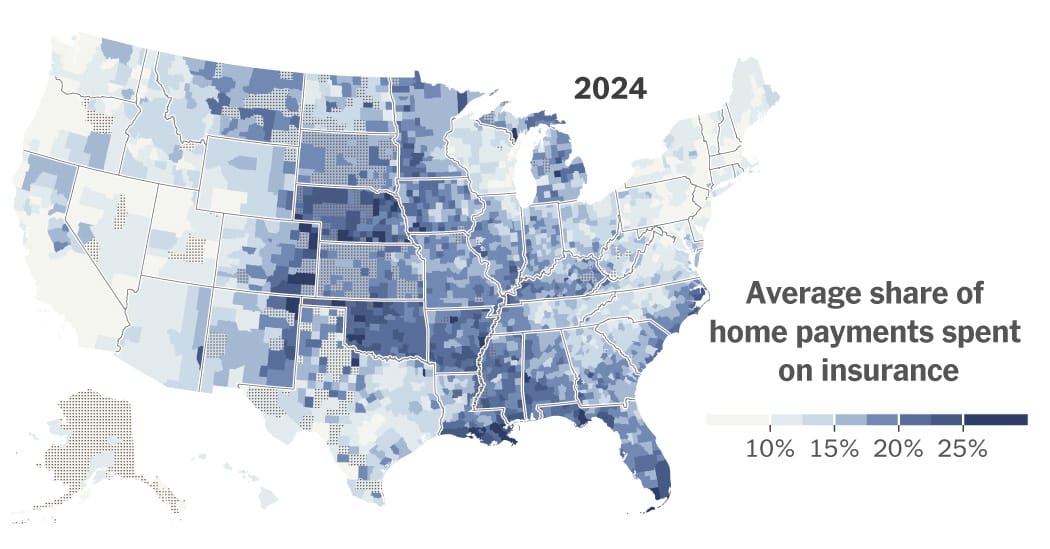
A surge in home insurance premiums is reshaping housing markets across the country, hitting disaster‑prone regions the hardest. From Louisiana to Colorado and California, deals are collapsing, buyers are backing out, and home values are dropping as insurance becomes a central affordability hurdle. New data shows climate‑driven risk repricing and soaring reinsurance costs are stripping tens of thousands of dollars from property values, forcing some homeowners to sell at a loss—or go uninsured altogether.

Is 2026 the Year the Housing Market Finally Roars Back? NAR Thinks So

After years of sluggish activity, the National Association of REALTORS predicts 2026 could mark the long‑awaited rebound for the housing market. With a projected 14% jump in home sales, steadier rates near 6%, and rising buyer activity, NAR economists say momentum is already building. Early signs—like a 31% surge in mortgage applications, continued job growth, and stabilizing prices—suggest a stronger, more confident market ahead, creating fresh opportunities for both seasoned professionals and aspiring agents preparing to enter the field.

Global Capital Is on the Move: What Colliers’ 2026 Outlook Means for the Future of Real Estate

A surge of global capital is reshaping real estate heading into 2026, with investors shifting toward hands‑on strategies, cross‑border diversification, and high‑growth asset classes like data centers. Colliers’ 2026 Global Investor Outlook highlights rising confidence, improving liquidity, and a major pivot toward direct investing and value‑add opportunities. From office market rebounds to Asia Pacific’s rapid fundraising growth, the report outlines trends every real estate professional should understand as the industry enters a more dynamic, opportunity‑rich cycle.

California Bets on a Single Staircase to Unlock New Housing

Culver City just became the first place in California to legalize six‑story apartment buildings with only one staircase — a simple change that could reshape mid‑rise housing statewide. By freeing up as much as 7% more usable floor space, architects say single‑stair designs allow bigger units, more windows, and the kind of elegant layouts common in New York and Europe. If the city’s six‑year experiment succeeds, it may spark a broader rethinking of U.S. building codes and open the door to more flexible, affordable multifamily development across California.

Stratford Launches 2025 Property Revaluation, Sending New Assessments to Homeowners

Stratford homeowners are receiving their 2025 Notices of Assessment Change, marking the town’s first property revaluation since 2019. Officials emphasize that rising assessments do not equal higher tax bills, as a new mill rate won’t be set until spring 2026. Residents can challenge or review their updated valuations through informal hearings hosted by Vision Government Solutions, with appointments available for one week after receiving a notice.

Florida Homeowners Buckle Under Nation-Leading Insurance Premiums as Crisis Deepens

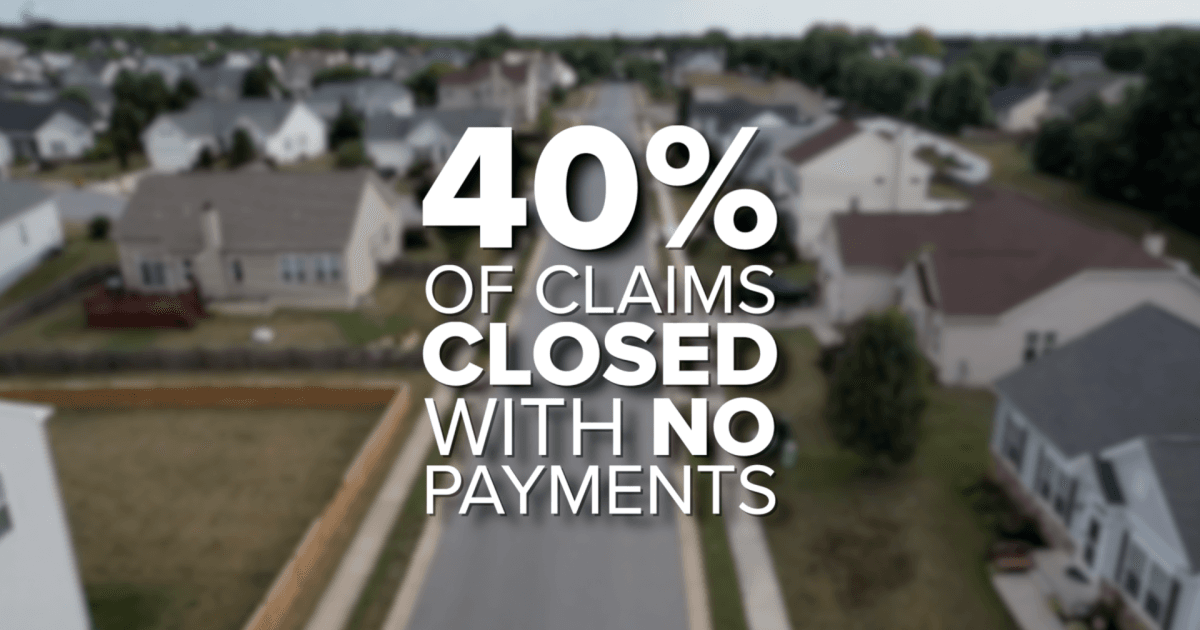
New reporting reveals Florida homeowners now face an average insurance premium of $5,838 per year — nearly triple the national average. With skyrocketing rates, denied claims, and mounting non-renewals, residents are being pushed to tough financial decisions while lawmakers scramble to implement reforms. From retirees skipping coverage to families battling insurers for fair payouts, Florida’s insurance crisis is reshaping both the housing market and the daily lives of homeowners statewide.