Florida’s Property Tax Showdown: Why Eliminating Taxes Could Spike Home Prices Overnight
Florida property tax debate

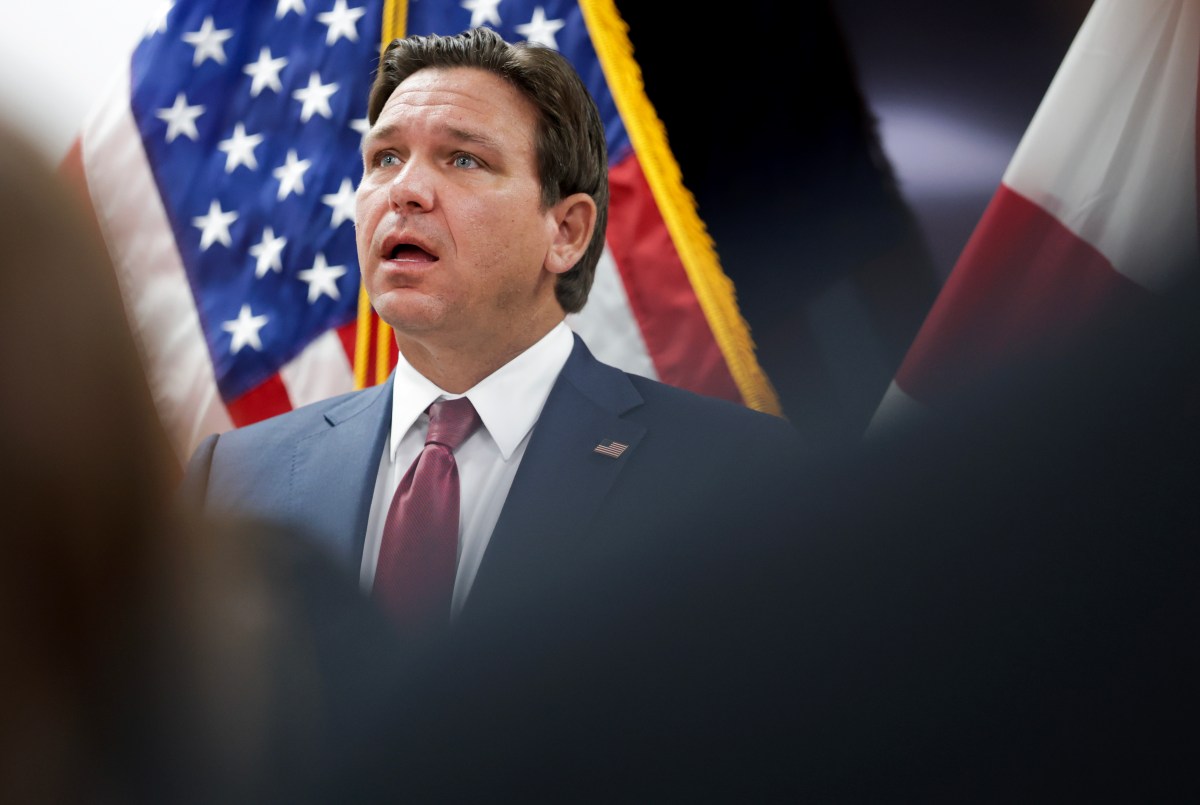
Florida’s housing market may be barreling toward one of the most high-stakes policy battles in state history. As Governor Ron DeSantis continues pushing a proposal to eliminate property taxes entirely, new research from Realtor.com suggests home prices could surge an immediate 7 to 9 percent if the measure were enacted.

That kind of jump—while appealing to current homeowners—would intensify an already fragile affordability landscape for future buyers.

Why This Matters for Florida Homeowners and Future Buyers

Like the rest of the country, Florida has been wrestling with steep housing costs driven by pandemic inflation, record property value increases, insurance spikes, and climbing mortgage rates. With home values soaring, property taxes followed suit—tightening budgets for millions of residents.

Removing property taxes may sound like a relief, but according to several economists, it could paradoxically make homeownership even harder for first-timers by fueling rapid price escalation.

The Push to Eliminate Property Taxes

Governor DeSantis has repeatedly described property taxes as oppressive, claiming homeowners shouldn’t feel like they’re paying “rent to the government.” His message—echoed across social platforms and public appearances—has ignited strong support among those struggling with tax burdens.

Yet analysts warn that Florida cannot simply erase property taxes without replacing the billions they generate annually. Dr. Esteban Leonardo Santis of the Florida Policy Institute told Newsweek that removing them would force the state to raise sales taxes or create entirely new revenue systems.

“Any of these proposals are cost shifts,” Santis said. “So the question right now is who is going to pay for it?”

What the Experts Are Saying

Realtor.com senior economist Joel Berner: “It would be a boon to existing property owners. But this measure would disproportionately benefit wealthy Floridians at the expense of those who don’t own homes.”

Real estate economist Ken Johnson went further, noting that while the proposal may appear sustainable during economic booms, a recession could quickly turn it catastrophic. With nearly 10 percent of Florida homes being vacation properties, a downturn could trigger selloffs—sending prices and revenue sinking simultaneously.

“A major U.S. recession could crash Florida housing and, at the same time, dry up the Florida budget,” Johnson warned.

What Happens Next?

Lawmakers seem reluctant to endorse a full repeal of property taxes, instead exploring targeted reductions. Among the proposals is a measure to remove tax from non-school homesteads, offering partial help without dismantling the system entirely.

Even former state senator Jeff Brandes criticized the governor’s plan, calling it more political slogan than practical policy.

To eliminate property taxes statewide, voters would need to approve a constitutional amendment requiring a 60 percent majority—a formidable obstacle.

What This Means for Real Estate Professionals

For agents, investors, and aspiring professionals, the implications are enormous. A sudden 7–9 percent increase in prices would reshape negotiations, evaluation strategies, and market entry points overnight.

If you’re preparing for a real estate career—or growing your licensing portfolio—staying ahead of legislation like this is essential. Cameron Academy remains committed to helping new and seasoned professionals stay informed through flexible licensing programs, continuing education, and up-to-the-minute industry insights.


Source Acknowledgments

Information for this article was sourced from Newsweek and Realtor.com. Explore their full reports below:

Read the original Newsweek article

Read the Realtor.com analysis

More Articles

Getting licensed or staying ahead in your career can be a journey—but it doesn’t have to be overwhelming. Grab your favorite coffee or tea, take a moment to relax, and browse through our articles. Whether you’re just starting out or renewing your expertise, we’ve got tips, insights, and advice to keep you moving forward. Here’s to your success—one sip and one step at a time!

Florida’s Long‑Standing Condo Lending Restrictions May Finally End This December

After nearly 20 years under uniquely harsh lending rules, Florida may finally see its condo market freed from a 25% down payment requirement imposed only on the state. Industry leaders say Fannie Mae could announce changes as early as December—potentially restoring the standard 10% down payment used everywhere else in the country. Experts believe the shift would boost maintenance funding, improve affordability, and stabilize Florida’s condo market after years of strain.

Confidence Surges in Phoenix as Commercial Real Estate Rebounds in 2025

Phoenix’s commercial real estate market is shaking off years of uncertainty as broker optimism hits its highest level since interest rates began climbing. The latest ASU Commercial Broker Sentiment Index soared to 62.7, signaling strong confidence across multifamily, retail, office, and capital markets. With population growth accelerating, interest rates easing, and AI boosting industry efficiency, Phoenix is positioning itself for a powerful run into 2026—offering meaningful opportunities for both new and seasoned real estate professionals.

Michigan Lawmakers Consider Allowing All Continuing Education Hours to Be Completed Online

Michigan’s House Rules Committee heard testimony on a proposal that would let licensed professionals complete all required continuing education online. Supporters say the change would modernize outdated rules, reduce costs, and improve access for rural and busy workers. The state licensing department backs the measure, and lawmakers noted it could reshape CE options across industries from real estate to insurance and healthcare.

Florida’s Home Insurance Crisis Reaches a Breaking Point as Premiums Skyrocket

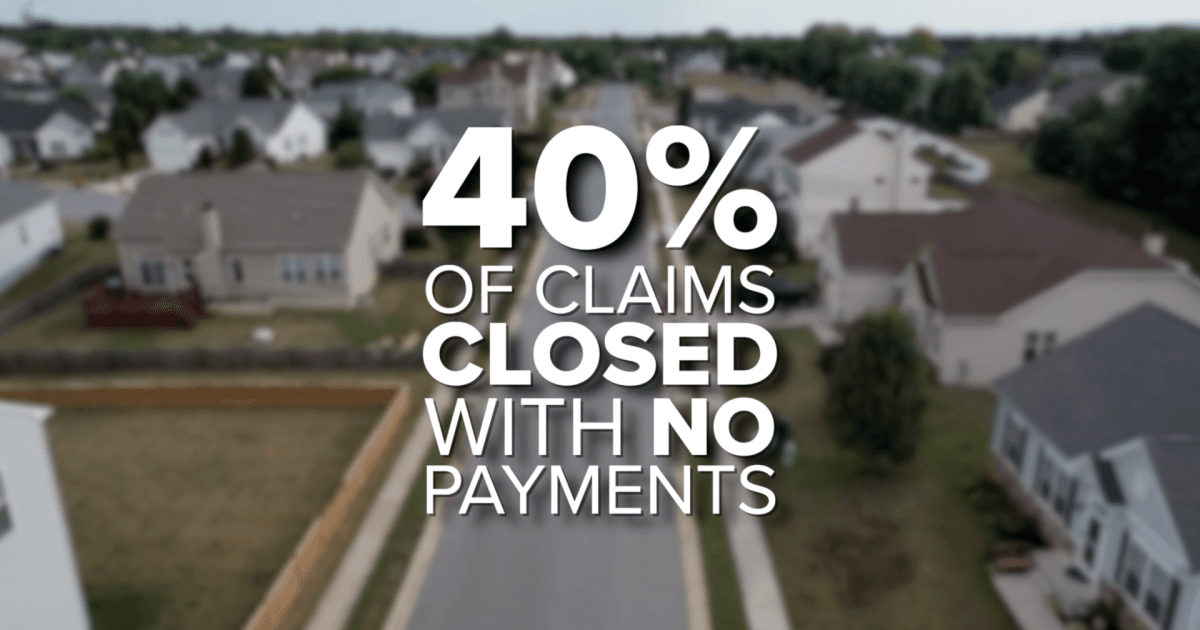
Florida homeowners are now paying an average of $5,838 per year for insurance — nearly $3,000 above the national average — making it one of the most expensive states in the country. As premiums continue to triple for some residents, many are being forced into tough decisions, from delaying home improvements to dropping coverage altogether. With more than 40% of claims closed with no payment and lawmakers pushing for aggressive reforms, the crisis is reshaping Florida’s housing market and placing growing pressure on real estate, mortgage, and insurance professionals statewide.

Griffin Funding Names John Jones SVP of Growth as It Sets Sights on $3B Non-QM Volume by 2030

Griffin Funding has elevated John Jones to Senior Vice President of Growth and EOS Integrator, marking a major step in the company’s long-term expansion strategy. Already a key operational leader since April 2025, Jones will now drive performance optimization, market expansion, and leadership development as the lender pursues an ambitious goal of reaching $3 billion in annual non-QM loan volume by 2030. His promotion underscores Griffin Funding’s commitment to scaling strategically while strengthening its position in the fast-growing non-QM space.

Why Lower Rates Still Haven’t Unlocked Commercial Real Estate

Despite recent Federal Reserve rate cuts, commercial real estate remains frozen. Long‑term Treasury yields continue to climb, keeping borrowing costs high and preventing the relief investors expected. With nearly $1 trillion in commercial loans coming due, refinancing at today’s elevated rates is squeezing owners, slowing transactions, and creating a widening gap between buyers and sellers. For patient, well‑capitalized investors, this period of recalibration may offer some of the strongest opportunities in years.