Florida’s Property Tax Showdown: Why Eliminating Taxes Could Spike Home Prices Overnight
Florida property tax debate

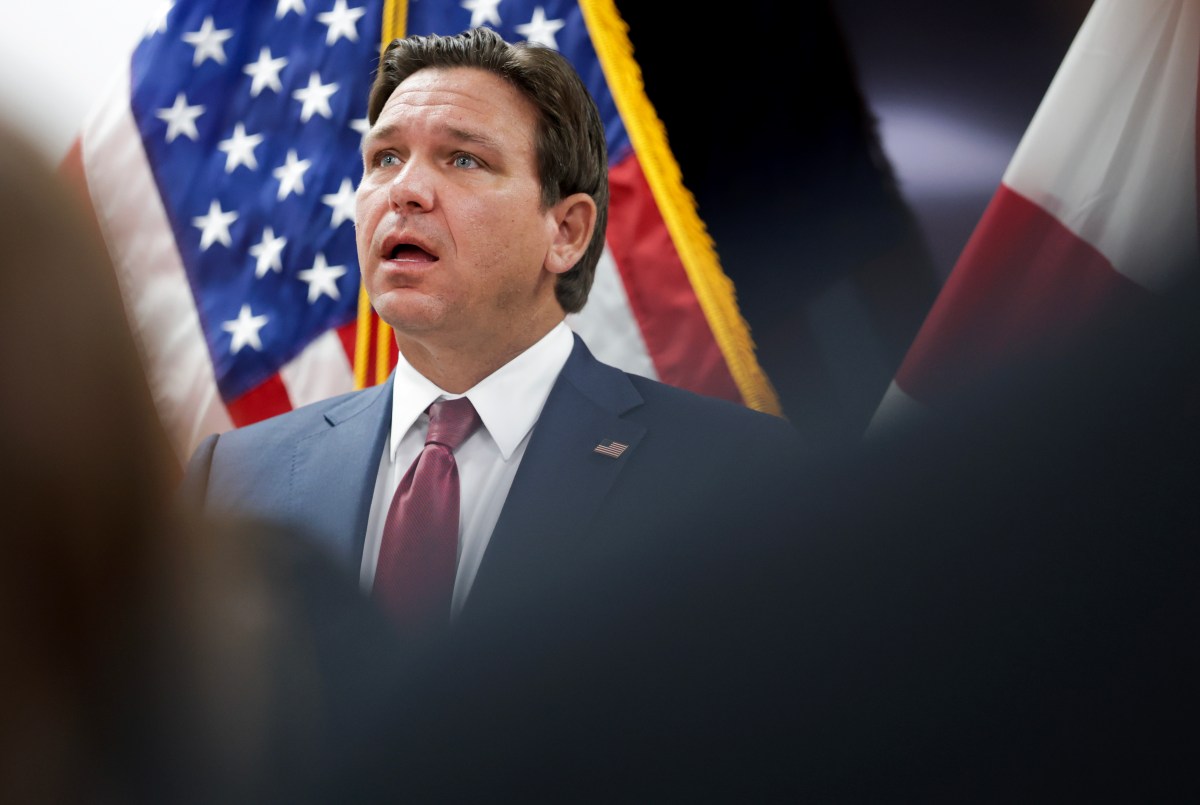
Florida’s housing market may be barreling toward one of the most high-stakes policy battles in state history. As Governor Ron DeSantis continues pushing a proposal to eliminate property taxes entirely, new research from Realtor.com suggests home prices could surge an immediate 7 to 9 percent if the measure were enacted.

That kind of jump—while appealing to current homeowners—would intensify an already fragile affordability landscape for future buyers.

Why This Matters for Florida Homeowners and Future Buyers

Like the rest of the country, Florida has been wrestling with steep housing costs driven by pandemic inflation, record property value increases, insurance spikes, and climbing mortgage rates. With home values soaring, property taxes followed suit—tightening budgets for millions of residents.

Removing property taxes may sound like a relief, but according to several economists, it could paradoxically make homeownership even harder for first-timers by fueling rapid price escalation.

The Push to Eliminate Property Taxes

Governor DeSantis has repeatedly described property taxes as oppressive, claiming homeowners shouldn’t feel like they’re paying “rent to the government.” His message—echoed across social platforms and public appearances—has ignited strong support among those struggling with tax burdens.

Yet analysts warn that Florida cannot simply erase property taxes without replacing the billions they generate annually. Dr. Esteban Leonardo Santis of the Florida Policy Institute told Newsweek that removing them would force the state to raise sales taxes or create entirely new revenue systems.

“Any of these proposals are cost shifts,” Santis said. “So the question right now is who is going to pay for it?”

What the Experts Are Saying

Realtor.com senior economist Joel Berner: “It would be a boon to existing property owners. But this measure would disproportionately benefit wealthy Floridians at the expense of those who don’t own homes.”

Real estate economist Ken Johnson went further, noting that while the proposal may appear sustainable during economic booms, a recession could quickly turn it catastrophic. With nearly 10 percent of Florida homes being vacation properties, a downturn could trigger selloffs—sending prices and revenue sinking simultaneously.

“A major U.S. recession could crash Florida housing and, at the same time, dry up the Florida budget,” Johnson warned.

What Happens Next?

Lawmakers seem reluctant to endorse a full repeal of property taxes, instead exploring targeted reductions. Among the proposals is a measure to remove tax from non-school homesteads, offering partial help without dismantling the system entirely.

Even former state senator Jeff Brandes criticized the governor’s plan, calling it more political slogan than practical policy.

To eliminate property taxes statewide, voters would need to approve a constitutional amendment requiring a 60 percent majority—a formidable obstacle.

What This Means for Real Estate Professionals

For agents, investors, and aspiring professionals, the implications are enormous. A sudden 7–9 percent increase in prices would reshape negotiations, evaluation strategies, and market entry points overnight.

If you’re preparing for a real estate career—or growing your licensing portfolio—staying ahead of legislation like this is essential. Cameron Academy remains committed to helping new and seasoned professionals stay informed through flexible licensing programs, continuing education, and up-to-the-minute industry insights.


Source Acknowledgments

Information for this article was sourced from Newsweek and Realtor.com. Explore their full reports below:

Read the original Newsweek article

Read the Realtor.com analysis

More Articles

Getting licensed or staying ahead in your career can be a journey—but it doesn’t have to be overwhelming. Grab your favorite coffee or tea, take a moment to relax, and browse through our articles. Whether you’re just starting out or renewing your expertise, we’ve got tips, insights, and advice to keep you moving forward. Here’s to your success—one sip and one step at a time!

Florida’s Insurance Market Meltdown: Why New Reforms Are Repeating Old Mistakes

Florida’s property insurance system is once again spiraling as new “market-friendly” reforms fail to stabilize rising premiums, insurer failures, and mounting homeowner frustration. Despite aggressive efforts to shift policyholders from Citizens to private carriers, many of the new insurers stepping in are tied to past insolvencies, questionable ratings, and political influence. For real estate, mortgage, and insurance professionals, these systemic cracks are reshaping closings, valuations, and risk across the state—making it essential to stay ahead of ongoing regulatory and market shifts.

Top 2026 Commercial Real Estate Issues: The Trends Professionals Must Watch

Commercial real estate is heading into a turning‑point year in 2026, driven by economic uncertainty, AI‑powered transformation, shifting demographics and rising portfolio risk. Insights from The Counselors of Real Estate highlight the top issues shaping the year ahead—from fiscal pressures and capital constraints to housing shortages, global volatility and the future of data‑driven decision‑making. For real estate, mortgage, insurance and finance professionals, these trends offer a clear roadmap for staying competitive and preparing for the next wave of industry change.

The Tech Wave Transforming Real Estate in 2025

AI-powered tools, fraud protection systems, and smarter MLS integrations are sweeping through the real estate industry as major organizations adopt new technologies. From RealReports hitting its 50th partnership to BeachesMLS unveiling instant AI home visualizations and Doorify boosting security, professionals are seeing rapid advancements that promise sharper insights, safer transactions, and more efficient rental workflows. This evolving tech landscape underscores the importance of staying educated and adaptable — especially for agents preparing for a competitive, AI-enhanced 2025 market.

Florida’s Insurance Crisis Deepens as Premiums Soar and Claims Go Unpaid

Florida homeowners are being hit with the highest insurance premiums in the nation, averaging $5,838 per year—nearly double the U.S. average. As costs skyrocket, many residents are reporting denied claims, non‑renewals, and impossible financial choices. New investigations reveal that more than 40 percent of claims in Florida close with no payment, while lawmakers push for transparency, fair pricing, and meaningful reform to stabilize a market that’s rapidly becoming unsustainable.

AI-Powered Parking Startup Vend Park Secures $17.5M to Transform a Forgotten Real Estate Asset

Vend Park, a Boston-based proptech company, has raised $17.5 million in Series A funding to reinvent parking as a high-performing commercial real estate asset. By replacing outdated operator–vendor systems with a unified AI-driven platform, Vend Park is helping major property owners boost NOI by up to 30%, slash operating costs, and modernize the tenant experience. As the company expands from three to fifteen cities and partners with giants like Nuveen and Jamestown, its technology highlights a major shift: real estate professionals must now understand AI, automation, and digital infrastructure to stay competitive.

Keller Williams Atlanta Partners Teams Up with Southeast Mortgage in a Major Georgia Market Shake‑Up

Keller Williams Realty Atlanta Partners has formed an exclusive partnership with Southeast Mortgage, Georgia’s largest non‑bank mortgage lender. The collaboration promises faster, tech‑enhanced transactions for both agents and homebuyers, combining real estate expertise with streamlined mortgage services. This move reflects a growing trend toward integrated real‑estate ecosystems designed to reduce delays, boost transparency, and modernize the homebuying experience.