Florida’s Property Tax Showdown: Why Eliminating Taxes Could Spike Home Prices Overnight
Florida property tax debate

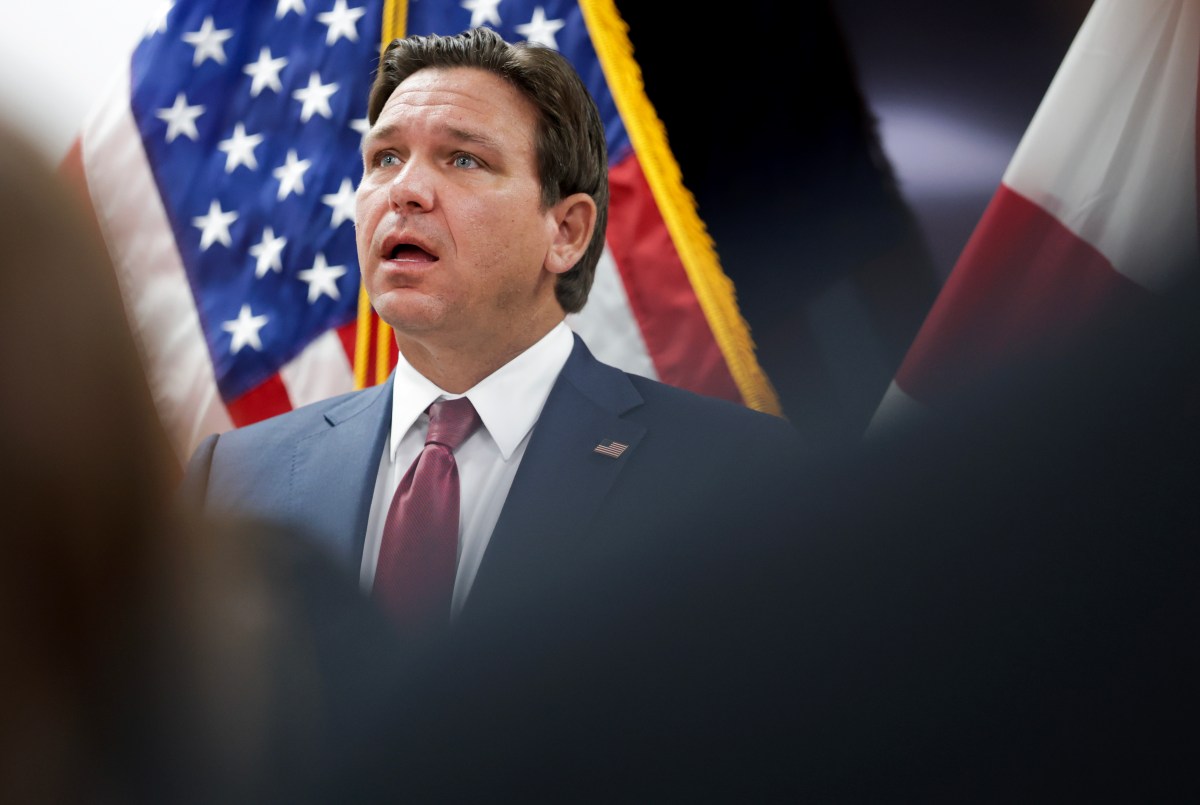
Florida’s housing market may be barreling toward one of the most high-stakes policy battles in state history. As Governor Ron DeSantis continues pushing a proposal to eliminate property taxes entirely, new research from Realtor.com suggests home prices could surge an immediate 7 to 9 percent if the measure were enacted.

That kind of jump—while appealing to current homeowners—would intensify an already fragile affordability landscape for future buyers.

Why This Matters for Florida Homeowners and Future Buyers

Like the rest of the country, Florida has been wrestling with steep housing costs driven by pandemic inflation, record property value increases, insurance spikes, and climbing mortgage rates. With home values soaring, property taxes followed suit—tightening budgets for millions of residents.

Removing property taxes may sound like a relief, but according to several economists, it could paradoxically make homeownership even harder for first-timers by fueling rapid price escalation.

The Push to Eliminate Property Taxes

Governor DeSantis has repeatedly described property taxes as oppressive, claiming homeowners shouldn’t feel like they’re paying “rent to the government.” His message—echoed across social platforms and public appearances—has ignited strong support among those struggling with tax burdens.

Yet analysts warn that Florida cannot simply erase property taxes without replacing the billions they generate annually. Dr. Esteban Leonardo Santis of the Florida Policy Institute told Newsweek that removing them would force the state to raise sales taxes or create entirely new revenue systems.

“Any of these proposals are cost shifts,” Santis said. “So the question right now is who is going to pay for it?”

What the Experts Are Saying

Realtor.com senior economist Joel Berner: “It would be a boon to existing property owners. But this measure would disproportionately benefit wealthy Floridians at the expense of those who don’t own homes.”

Real estate economist Ken Johnson went further, noting that while the proposal may appear sustainable during economic booms, a recession could quickly turn it catastrophic. With nearly 10 percent of Florida homes being vacation properties, a downturn could trigger selloffs—sending prices and revenue sinking simultaneously.

“A major U.S. recession could crash Florida housing and, at the same time, dry up the Florida budget,” Johnson warned.

What Happens Next?

Lawmakers seem reluctant to endorse a full repeal of property taxes, instead exploring targeted reductions. Among the proposals is a measure to remove tax from non-school homesteads, offering partial help without dismantling the system entirely.

Even former state senator Jeff Brandes criticized the governor’s plan, calling it more political slogan than practical policy.

To eliminate property taxes statewide, voters would need to approve a constitutional amendment requiring a 60 percent majority—a formidable obstacle.

What This Means for Real Estate Professionals

For agents, investors, and aspiring professionals, the implications are enormous. A sudden 7–9 percent increase in prices would reshape negotiations, evaluation strategies, and market entry points overnight.

If you’re preparing for a real estate career—or growing your licensing portfolio—staying ahead of legislation like this is essential. Cameron Academy remains committed to helping new and seasoned professionals stay informed through flexible licensing programs, continuing education, and up-to-the-minute industry insights.


Source Acknowledgments

Information for this article was sourced from Newsweek and Realtor.com. Explore their full reports below:

Read the original Newsweek article

Read the Realtor.com analysis

More Articles

Getting licensed or staying ahead in your career can be a journey—but it doesn’t have to be overwhelming. Grab your favorite coffee or tea, take a moment to relax, and browse through our articles. Whether you’re just starting out or renewing your expertise, we’ve got tips, insights, and advice to keep you moving forward. Here’s to your success—one sip and one step at a time!

Global Capital Is Reshaping Real Estate for 2026

Investors worldwide are redeploying capital, embracing more active deal structures, and expanding into new regions as the 2026 market takes shape. Data centers, revived office demand, and global diversification are driving a major shift—creating fresh opportunities for real estate, mortgage, and finance professionals who understand where capital is heading next.

Florida’s Home Insurance Crisis Hits Breaking Point as Premiums Soar and Claims Go Unpaid

Florida homeowners now pay an average of $5,838 per year for insurance—about $3,000 more than the national average—pushing many families to the financial brink. Residents report premiums tripling, claims being severely underpaid, and insurers dropping policies at one of the highest rates in the country. As frustration mounts, lawmakers and industry experts are calling for sweeping reforms to curb rising costs, increase accountability, and stabilize a market that’s reshaping real estate decisions across the state.

Citizens Insurance Steps Back as Florida’s Private Market Surges

Florida’s insurance market has hit a major turning point. Citizens Property Insurance—once the state’s largest insurer with 1.4 million policies—has shed more than 900,000 policies as private insurers return in force. Driven by Florida’s depopulation program and the arrival of 17 new companies, nearly 200,000 policies shifted to private carriers in October alone, with about 40 percent offering lower premiums. The shift signals rising competition, stabilizing rates, and new opportunities for homeowners and industry professionals navigating Florida’s evolving insurance landscape.

NAR Unveils Biggest MLS Policy Overhaul in 20 Years, Effective 2026

The National Association of REALTORS® has approved 18 major updates to modernize its MLS policies—the largest overhaul in two decades. Announced at NAR NXT in Houston and set to take effect in January 2026, the changes aim to streamline MLS operations, improve enforcement clarity, and better align policies with how today’s real estate professionals actually work.

Inhabit Unveils New AI and Fraud Prevention Tools Transforming Property Management

Inhabit has rolled out a powerful lineup of AI-driven leasing, marketing, fraud prevention, and compliance tools designed to streamline operations and protect property teams from growing risks. From hybrid AI leasing assistants to instant income verification and upcoming portfolio-wide lease audits, these innovations aim to cut costs, eliminate inefficiencies, and strengthen regulatory confidence across the multifamily industry.

Florida’s Insurance System Is Shifting Again—But Are Homeowners Still in the Danger Zone?

Florida’s latest round of insurance reforms was meant to calm a volatile market, yet many experts warn the same deep structural problems remain. Homeowners are being pushed from Citizens into higher‑priced, lightly capitalized private insurers, ratings agencies face scrutiny for inflated grades, and political influence clouds oversight. For real estate and insurance professionals, these trends signal ongoing risk, rising costs, and a market in need of a complete rebuild.