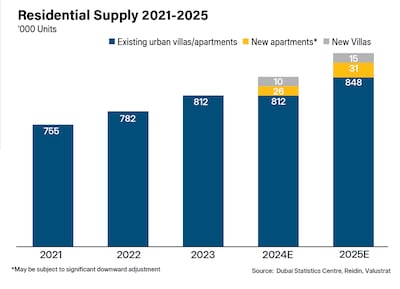
As the UAE’s population continues to surge, developers are seizing the opportunity to transform the sprawling desert into vibrant residential communities. This ambitious expansion is not just about accommodating more people; it’s about reimagining urban living for a sustainable future. With the population of Dubai expected to nearly double by 2040, the demand for housing and infrastructure is skyrocketing, prompting a strategic shift towards the development of 15-minute cities.
The concept of the 15-minute city, which aims to provide essential amenities within a short walk or bike ride from residents’ homes, is gaining traction as a model for future urban planning. This approach was a focal point at the recent Big 5 Global event in Dubai, where experts, including Prof Carlos Moreno, emphasized the importance of creating proxilience—resilient communities built on the principle of proximity.
In cities like Dubai and Abu Dhabi, where central areas are already densely populated, developers are looking to the outskirts to accommodate new residents. Areas such as Dubai South and Al Ain Road are poised to become self-sufficient communities, echoing the suburban expansion seen in North America’s Sun Belt cities. As Jack Sellers of YallaValue noted, these developments are transforming Dubai into a collection of sub-cities, with an increasing trend towards off-plan property purchases.
Building Smarter for the Future
The pressure on the construction sector to innovate is mounting. Jay French, CEO of Matthews for Europe, the Middle East, and Africa, advocates for the adoption of steel framing and modular construction methods, which offer both speed and sustainability benefits. These techniques could alleviate pressure on existing construction resources and provide a more efficient path forward.
Despite the optimism surrounding these developments, experts caution that rapid urban growth presents challenges. Dr Akram Awad of Boston Consulting Group stresses the need for inclusivity in urban planning, ensuring that all residents feel a sense of belonging. Meanwhile, Dr Anas AlMughairy highlights the critical role of infrastructure in supporting new communities, noting the importance of planning ahead to balance economic growth with quality of life.
As the UAE continues to evolve, these new urban landscapes must navigate the complexities of rapid expansion while striving to create vibrant, livable environments for all.
More Articles
Getting licensed or staying ahead in your career can be a journey—but it doesn’t have to be overwhelming. Grab your favorite coffee or tea, take a moment to relax, and browse through our articles. Whether you’re just starting out or renewing your expertise, we’ve got tips, insights, and advice to keep you moving forward. Here’s to your success—one sip and one step at a time!
A new national survey shows that while most real estate agents now use AI for everyday tasks like writing listing descriptions and social posts, many remain uneasy trusting the technology with higher‑stakes responsibilities. Agents report major time savings and better communication thanks to AI, but lingering concerns about accuracy, compliance and data interpretation reveal a growing skills gap. The industry’s next big need: stronger AI tools, clearer standards and hands‑on training — a gap education providers like Cameron Academy are poised to fill.
Florida homeowners and real estate professionals are being crushed by skyrocketing insurance premiums, shrinking coverage, and a claims system stacked against consumers. While residents face the highest insurance costs in the nation, meaningful reform bills are being ignored in Tallahassee, leaving families, businesses, and the entire real estate market exposed.
Artificial intelligence is exposing the real estate industry's biggest weakness: fragmented, inconsistent data scattered across disconnected systems. Unlike finance and e‑commerce, real estate never built a unified digital foundation—and now AI can’t function without one. As companies scramble to standardize information, organizations like OSCRE are pushing shared data models that could transform everything from leasing to property management. The result may be the industry’s most collaborative era yet, where clean, interoperable data becomes the key to unlocking AI’s full power.
Off‑market networks, rising small‑investor buying, regulatory shifts, and intensifying portal competition are reshaping how homes are found and sold. With inventory tight and traditional listings declining, agents who understand investor behavior, private deal flow, and evolving rules are gaining a major edge in today’s fast‑changing housing landscape.
Despite state leaders celebrating stabilization, Florida homeowners continue to face some of the highest insurance premiums in the country. Local experts say rates have stopped skyrocketing but have settled at levels that feel permanently elevated—especially for older or coastal homes. With insurers still avoiding high‑risk areas and demanding costly home upgrades, many Floridians are questioning whether this expensive reality is here to stay.
California is pushing a landmark proposal that would force insurers to offer coverage to homeowners who meet state‑approved wildfire‑mitigation standards. The new SB 1076, known as the Insurance Coverage for Fire‑Safe Homes Act, aims to stabilize the state’s distressed insurance market by guaranteeing coverage for fire‑hardened homes starting in 2028—backed by strict penalties for insurers who refuse. As supporters rally and critics warn of market strain, the bill could reshape real estate, insurance, and lending practices across wildfire‑prone regions.