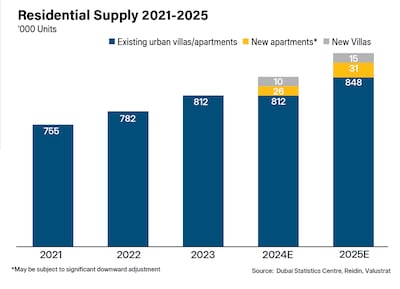
As the UAE’s population continues to surge, developers are seizing the opportunity to transform the sprawling desert into vibrant residential communities. This ambitious expansion is not just about accommodating more people; it’s about reimagining urban living for a sustainable future. With the population of Dubai expected to nearly double by 2040, the demand for housing and infrastructure is skyrocketing, prompting a strategic shift towards the development of 15-minute cities.
The concept of the 15-minute city, which aims to provide essential amenities within a short walk or bike ride from residents’ homes, is gaining traction as a model for future urban planning. This approach was a focal point at the recent Big 5 Global event in Dubai, where experts, including Prof Carlos Moreno, emphasized the importance of creating proxilience—resilient communities built on the principle of proximity.
In cities like Dubai and Abu Dhabi, where central areas are already densely populated, developers are looking to the outskirts to accommodate new residents. Areas such as Dubai South and Al Ain Road are poised to become self-sufficient communities, echoing the suburban expansion seen in North America’s Sun Belt cities. As Jack Sellers of YallaValue noted, these developments are transforming Dubai into a collection of sub-cities, with an increasing trend towards off-plan property purchases.
Building Smarter for the Future
The pressure on the construction sector to innovate is mounting. Jay French, CEO of Matthews for Europe, the Middle East, and Africa, advocates for the adoption of steel framing and modular construction methods, which offer both speed and sustainability benefits. These techniques could alleviate pressure on existing construction resources and provide a more efficient path forward.
Despite the optimism surrounding these developments, experts caution that rapid urban growth presents challenges. Dr Akram Awad of Boston Consulting Group stresses the need for inclusivity in urban planning, ensuring that all residents feel a sense of belonging. Meanwhile, Dr Anas AlMughairy highlights the critical role of infrastructure in supporting new communities, noting the importance of planning ahead to balance economic growth with quality of life.
As the UAE continues to evolve, these new urban landscapes must navigate the complexities of rapid expansion while striving to create vibrant, livable environments for all.
More Articles
Getting licensed or staying ahead in your career can be a journey—but it doesn’t have to be overwhelming. Grab your favorite coffee or tea, take a moment to relax, and browse through our articles. Whether you’re just starting out or renewing your expertise, we’ve got tips, insights, and advice to keep you moving forward. Here’s to your success—one sip and one step at a time!
Artificial intelligence is speeding ahead, but real estate is discovering a hard truth: AI can’t work well on messy, inconsistent, and siloed data. Unlike finance or e‑commerce, the industry has never agreed on shared definitions or standardized frameworks, making it difficult for AI tools to interpret information at scale. Now, leaders across real estate are realizing that the real breakthrough won’t come from smarter algorithms—it will come from finally unifying the industry’s fragmented data so AI can deliver its full value.
Manhattan’s iconic Waldorf Astoria is hitting the market again—and its billion‑dollar price tag may reveal whether commercial real estate is finally recovering. After years of inflation, shutdowns, and stalled investment, new forecasts from major firms show growing optimism, making this sale a critical test for the 2026 market.
Homeowners across Florida are facing sharp increases in their escrow payments as insurance premiums continue to rise. With insurers leaving the state, rates climbing, and replacement policies costing far more, many residents are experiencing sudden spikes in their monthly mortgage bills. These escalating insurance-driven escrow costs are reshaping affordability, influencing buyer qualifications, and redefining financial stability for Floridians and the broader real estate market.
The modern MLS marketplace is one of real estate’s greatest success stories: transparent, efficient, and designed to help buyers and sellers win. But its very effectiveness has sparked a new risk — professionals looking to “stand out” by limiting exposure and restricting information. Research shows that full MLS visibility can boost a seller’s price by $50,000 to $75,000, yet off‑market tactics threaten to chip away at the system that delivers those gains. The MLS doesn’t need replacing; it needs thoughtful upgrades and well‑trained professionals who know how to protect and leverage its power.
Florida homeowners are being hit with a new kind of sticker shock as rising insurance premiums push escrow payments sharply higher, adding hundreds of dollars to monthly mortgage bills. The surge is reshaping budgets, impacting buyer qualification, and redefining affordability across the state. With insurers pulling back and premiums climbing faster than wages, both current owners and hopeful buyers must now navigate a market where insurance risk—not just home price—plays a major role in the true cost of living in the Sunshine State.
Florida’s mobile and manufactured homes are surging in popularity, but insuring them requires specialized HO-7 coverage designed for structures built off-site and more vulnerable to wind and weather. With rising premiums, unique risks, and new 2026 market shifts, homeowners and industry professionals need to understand what these policies cover, what they don’t, which insurers are leading the pack, and how to save without sacrificing protection.