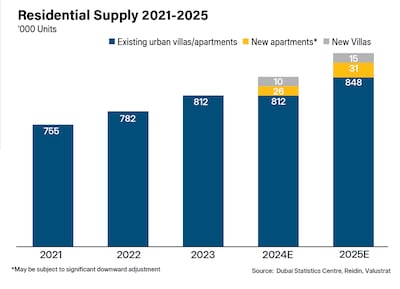
As the UAE’s population continues to surge, developers are seizing the opportunity to transform the sprawling desert into vibrant residential communities. This ambitious expansion is not just about accommodating more people; it’s about reimagining urban living for a sustainable future. With the population of Dubai expected to nearly double by 2040, the demand for housing and infrastructure is skyrocketing, prompting a strategic shift towards the development of 15-minute cities.
The concept of the 15-minute city, which aims to provide essential amenities within a short walk or bike ride from residents’ homes, is gaining traction as a model for future urban planning. This approach was a focal point at the recent Big 5 Global event in Dubai, where experts, including Prof Carlos Moreno, emphasized the importance of creating proxilience—resilient communities built on the principle of proximity.
In cities like Dubai and Abu Dhabi, where central areas are already densely populated, developers are looking to the outskirts to accommodate new residents. Areas such as Dubai South and Al Ain Road are poised to become self-sufficient communities, echoing the suburban expansion seen in North America’s Sun Belt cities. As Jack Sellers of YallaValue noted, these developments are transforming Dubai into a collection of sub-cities, with an increasing trend towards off-plan property purchases.
Building Smarter for the Future
The pressure on the construction sector to innovate is mounting. Jay French, CEO of Matthews for Europe, the Middle East, and Africa, advocates for the adoption of steel framing and modular construction methods, which offer both speed and sustainability benefits. These techniques could alleviate pressure on existing construction resources and provide a more efficient path forward.
Despite the optimism surrounding these developments, experts caution that rapid urban growth presents challenges. Dr Akram Awad of Boston Consulting Group stresses the need for inclusivity in urban planning, ensuring that all residents feel a sense of belonging. Meanwhile, Dr Anas AlMughairy highlights the critical role of infrastructure in supporting new communities, noting the importance of planning ahead to balance economic growth with quality of life.
As the UAE continues to evolve, these new urban landscapes must navigate the complexities of rapid expansion while striving to create vibrant, livable environments for all.
More Articles
Getting licensed or staying ahead in your career can be a journey—but it doesn’t have to be overwhelming. Grab your favorite coffee or tea, take a moment to relax, and browse through our articles. Whether you’re just starting out or renewing your expertise, we’ve got tips, insights, and advice to keep you moving forward. Here’s to your success—one sip and one step at a time!
Tampa Bay’s real estate market is entering a rare sweet spot in 2026—balancing rising inventory, steady demand, and booming commercial development. With housing supply up to 4.3 months and prices stabilizing, the region is shifting from frenzy to sustainable growth. Population migration, modernized commercial spaces, and lifestyle-focused districts like Water Street and Midtown continue to fuel Tampa’s evolution. But even amid luxury expansion, affordability remains the top challenge shaping the next phase of opportunity for real estate professionals.
Each year, AZ Big Media spotlights the visionaries shaping Arizona’s fast‑growing commercial real estate landscape. The 2026 AZ Big 100 list highlights 50 influential builders, developers, architects, and innovators who are driving sustainable growth, expanding infrastructure, and redefining community-focused design. For professionals in real estate, construction, finance, and related fields, this roundup offers a powerful look at the leadership and trends guiding Arizona’s next era of development.
After years of relentless premium increases, State Farm has filed for a 10% homeowners insurance rate reduction in Florida, signaling that recent legislative reforms may finally be stabilizing the state’s turbulent insurance market. This move could pressure other insurers to follow and marks one of the first meaningful signs of relief for Florida homeowners and real estate professionals.
Illinois has updated its insurance supplier diversity reporting requirements, impacting insurers, HMOs, dental plan corporations, and accredited reinsurers with at least $50 million in admitted assets. Beginning April 1, 2026, companies must use the state’s new PDF template and file through SERFF, following strict formatting rules for procurement, certification types, and diversity goals. The update signals a stronger statewide push for transparency and equitable contracting, making accurate compliance essential for insurance and finance professionals.
YouTube superstar MrBeast has officially moved into the world of finance with his acquisition of Step, a fast‑growing youth money management app backed by Stripe and major venture investors. Now operating under Beast Industries, Step is poised to bring modern financial tools—like credit building, investing, and budgeting—to millions of teens and young adults. With MrBeast’s massive reach and Step’s existing user base of over 7 million, this move could reshape how the next generation learns essential financial skills, giving future professionals a stronger foundation whether they pursue real estate, mortgage, insurance, finance, or any career where smart money decisions matter.
Long Island’s commercial market just hit an all‑time high, closing $4.1 billion in commercial real estate sales across Nassau and Suffolk counties in 2025—a 71 percent jump from the prior year. Specialty-use properties like assisted living and self‑storage led the surge, fueled by lower interest rates and renewed investor confidence.