In the heated arena of the U.S. presidential race, Vice President Kamala Harris has been making waves with her pointed critiques of former President Donald Trump’s business history. During a rally in Charlotte, North Carolina, on September 12, Harris unveiled her proposal for a $50,000 tax deduction aimed at small business startups. She then took a direct jab at Trump, asserting, “You know, not everybody started out with $400m on a silver platter and then filed for bankruptcy six times.”
Harris’s remarks have sparked a flurry of fact-checking, with many turning to a recent article from Al Jazeera that delves into the veracity of these claims. The article references a comprehensive 2018 analysis by The New York Times, revealing that Trump did indeed receive approximately $413 million from his father, Fred Trump, over his lifetime. However, this sum was not a single lump sum at the start of his career but rather dispersed over many years.
During a recent debate, Trump countered Harris’s claims, stating, “I wasn’t given $400m. I wish I was. My father was a Brooklyn builder. Brooklyn, Queens. And a great father, and I learned a lot from him. But I was given a fraction of that, a tiny fraction, and I built it into many, many billions of dollars.” The debate further intensified when Harris reiterated her points in a conversation hosted by Oprah Winfrey.
The Al Jazeera article also examines the claim of Trump’s six bankruptcies, confirming its accuracy. Trump’s financial struggles included high-profile bankruptcies such as the Trump Taj Mahal casino in 1991 and Trump Entertainment Resorts in 2009, among others. Experts have noted that while Trump did experience these financial setbacks, they are not uncommon in the business world.
Our Ruling
While Harris’s statement about Trump’s business beginnings contains elements of truth, it omits significant details. The New York Times investigation clarifies that Trump did not start his business career with $400 million readily available. Instead, he had the prospect of inheriting a portion of his father’s substantial real estate empire. This nuanced reality leads us to rate Harris’s statement as Half True.
Conclusion
As the presidential race progresses, the scrutiny of candidates’ claims remains crucial. Harris’s comments highlight the ongoing debate about wealth and privilege in America, while Trump’s rebuttal underscores the complexities of his business legacy. The full story, as always, is layered and multifaceted.
More Articles
Getting licensed or staying ahead in your career can be a journey—but it doesn’t have to be overwhelming. Grab your favorite coffee or tea, take a moment to relax, and browse through our articles. Whether you’re just starting out or renewing your expertise, we’ve got tips, insights, and advice to keep you moving forward. Here’s to your success—one sip and one step at a time!
After years of soaring premiums and insurer instability, Florida’s property insurance market is finally turning a corner. Major carriers have filed 83 requests for rate decreases heading into 2026, with companies like Florida Peninsula and Patriot Select proposing cuts of 8.4% and 11.3%. Some homeowners may see relief as early as next month, signaling a long‑awaited shift toward market stability.
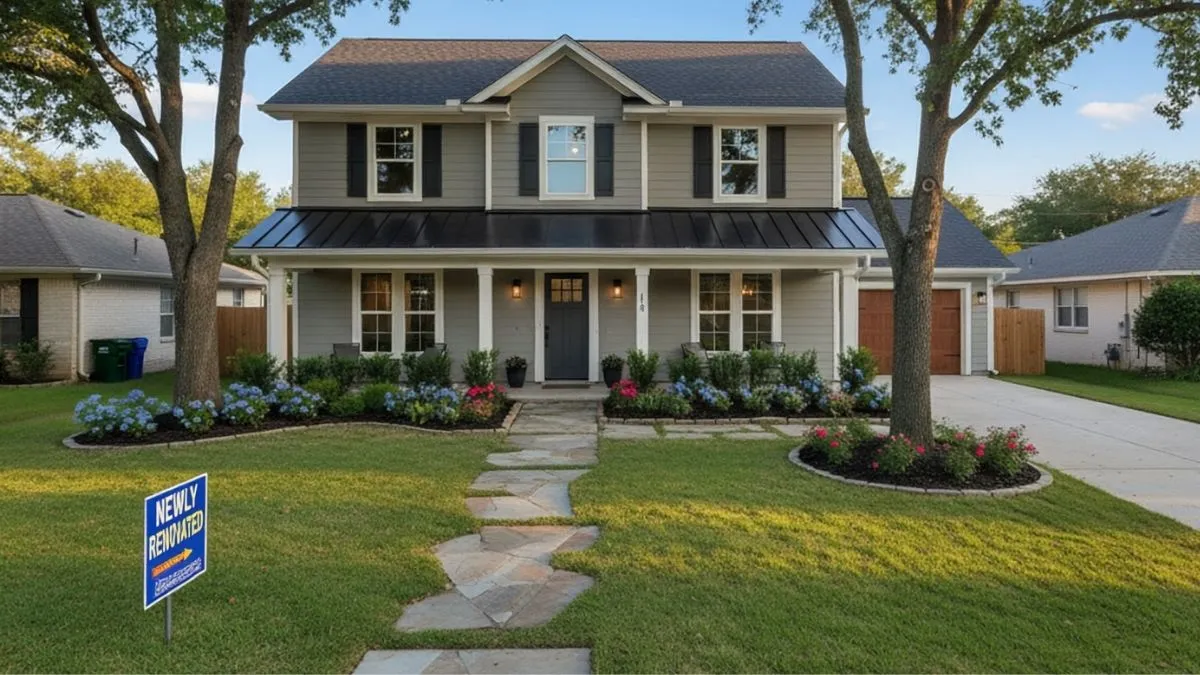
Fix-and-flip investing is gearing up for one of its strongest years in a decade as 2026 approaches. With cheaper capital, more accessible funding, easing interest rates, and long-awaited increases in housing inventory, investors are finding the perfect environment to launch or scale renovation-based real estate businesses. Renovation continues to outpace new construction in cost and speed, and demand for move-in-ready homes remains high, making 2026 a powerful opportunity window for both new and experienced investors.
After a short-lived period of relief in 2025, the U.S. rental market may be headed for a tighter, more expensive 2026. With construction starts dropping nearly 11% and completions plunging 42%, the surge of new apartments that helped lower rents is rapidly drying up. Rising costs, shrinking inventory, and a slowdown in new development point to a potential rental crunch that could leave renters facing heavier competition and higher prices across major markets next year.
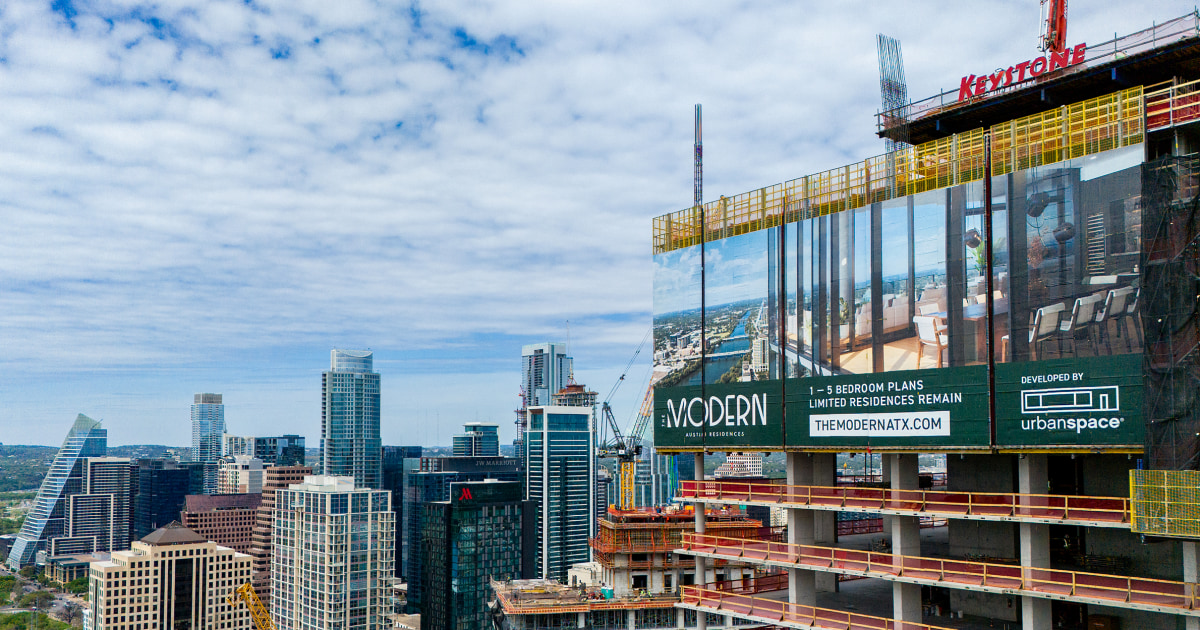
The commercial real estate market is entering a rare reset that experts say mirrors the post‑2008 boom, creating a potential window for disciplined investors. With trillions in commercial debt coming due and property values dropping up to 40%, firms like AARE are positioning themselves to acquire assets below replacement cost—an advantage that could set the stage for significant long‑term growth.
Commercial real estate is entering a reinvention phase, with AI‑driven productivity, modernized office demand, experience‑focused retail, expanding industrial logistics, creative housing solutions, and sustainability‑centered design all accelerating nationwide. These six forces are shaping how investors, brokers, and future licensees will operate in a rapidly evolving U.S. market.
After years of economic uncertainty and cautious decision‑making, 2026 is shaping up to be the year professionals finally catch a break. AI is moving from buzzword to essential tool, capital markets are beginning to thaw, and hiring is picking up across real estate, mortgage, insurance, finance, and healthcare. With opportunity returning, many professionals are using this moment to upskill—pursuing new licenses, certifications, and cross‑industry expertise.