Long Island Sets a New Commercial Real Estate Record with $4.1B in 2025 Deals
Long Island’s commercial real estate market just made history. According to a new report from
Cushman & Wakefield, commercial property sales across Nassau and Suffolk counties
skyrocketed to an unprecedented $4.1 billion in 2025—marking a powerful 71.5 percent leap over 2024’s volume.
The report, originally shared by the always-insightful team at
Long Island Business News,
reveals one undeniable truth: investor energy is not only back—it’s surging.
Specialty Use Assets Take Center Stage
While most asset classes grew year-over-year (with the notable exception of industrial),
specialty use properties stole the spotlight. Assisted living centers, rehabilitation facilities, and
self‑storage properties dominated 2025’s deal sheet, reflecting national-level investor shifts and diversified strategies.
Five of the year’s ten largest deals were specialty-use assets, totaling nearly the entire
$4.1B combined across both counties.
Nassau County: Over $1.965 billion in specialty asset sales
Suffolk County: Over $2.126 billion in specialty asset sales
48 specialty‑use properties transacted across Long Island
The top deal? A monumental $603 million Ventas acquisition of five Bristal Assisted Living facilities,
sold by B2K Development and Harrison Street Asset Management.
Lower Interest Rates Ignite Fresh Momentum
Dimitri Mastrogiannis, senior research analyst and author of the report, attributes the booming activity to improving
conditions in the year’s second half.
“Investors realized, hey, now’s the time to strike. We have all this dry powder sitting on the sidelines. We need to deploy it.” — Dimitri Mastrogiannis, Cushman & Wakefield
Lower interest rates spurred a wave of renewed investor involvement, drawing in both national funds and seasoned
local buyers.
Buyer Trends: End Users Drive Deal Activity
According to Dan Abbondandolo, leader of C&W’s Long Island Investment Sales and Capital Markets team,
the surge wasn’t just institutional—it was entrepreneurial.
“If you were to sum up our 2025, I would say it was driven by end‑user sales and changes in ownership management.” — Dan Abbondandolo
End-user buyers, particularly in the $5M–$25M range, created a dynamic and highly diversified year.
$118.6M: 66-acre former CA Technology site in Islandia
$107M: 420-unit rental complex at 100 Terrace Ave., Hempstead
Looking Ahead to 2026
Experts anticipate continued strength. With institutional buyers taking a step back, a wave of private capital,
family offices, and equity groups are stepping forward—reshaping ownership patterns across Long Island.
Retail is poised for growth, office space has stabilized, and improving interest-rate conditions could fuel
even more activity in the coming months.
Why This Matters for Real Estate Professionals
For agents, brokers, investors, and commercial specialists, these shifts represent opportunity.
Specialty assets, alternative investment vehicles, and end‑user-driven sales are becoming essential sectors to understand.
Professionals looking to sharpen their skills or earn new certifications can explore programs at
Cameron Academy, where both emerging agents and seasoned experts stay fully aligned with
the industry’s evolving landscape.
More Articles
Getting licensed or staying ahead in your career can be a journey—but it doesn’t have to be overwhelming. Grab your favorite coffee or tea, take a moment to relax, and browse through our articles. Whether you’re just starting out or renewing your expertise, we’ve got tips, insights, and advice to keep you moving forward. Here’s to your success—one sip and one step at a time!
Cybercrime in 2025 has evolved into a full‑scale service economy, with malware now available through subscription platforms that operate like mainstream tech businesses. Bitsight’s latest analysis reveals explosive growth in Malware‑as‑a‑Service tools, rising attacks across industries like healthcare, finance, tech, and real estate, and a surge in cross‑platform malware and supply‑chain exploits. For professionals in any licensed field, the message is clear: today’s digital landscape demands heightened vigilance, stronger identity security, and proactive defense against an increasingly organized underground threat environment.
A new proptech startup in the UAE, Gllit is redefining how property deals happen by removing agents, eliminating commissions, and integrating AI tools that let users create professional listings in seconds. With a fast, transparent, and direct-to-owner model, Gllit offers a glimpse into the future of global real estate — and a powerful case study for U.S. professionals preparing for tech-driven changes in the industry.
The 2026 housing market is shaping up to be a year of stability with a few surprises. Mortgage rates are expected to hold steady, home price growth is slowing, and yet ownership costs continue to rise due to soaring taxes and insurance. Meanwhile, renting is becoming more attractive as affordability improves and built‑to‑rent communities expand. This breakdown highlights the biggest trends ahead — and what they mean for buyers, sellers, and real estate professionals, especially in Florida.
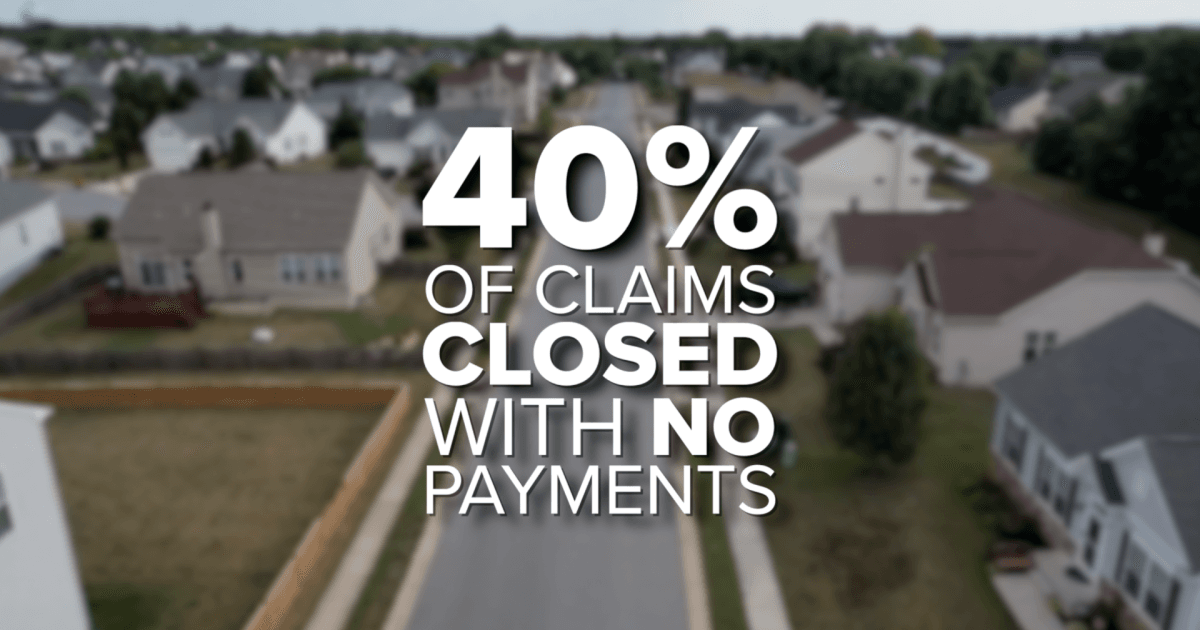
Florida homeowners are facing some of the highest insurance premiums in the nation, with average costs now topping $5,800 per year—about $3,000 above the U.S. average. Many residents report their rates have doubled or even tripled, while more than 40 percent of claims are closed with no payment. As frustration grows, state lawmakers and consumer advocates are pushing for transparency, rate caps, and incentives to help storm‑proof homes. The outcome of these reform efforts could reshape Florida’s real estate market, insurance landscape, and affordability for years to come.
A new global study from Risk.net and SAS reveals that many insurance companies are still making key decisions in isolated silos, despite industry-wide pushes toward data-driven strategies. While most leaders claim to have a clear vision, 38 percent admit they lack a real-time view of risks, revenue and costs. With poor data quality, limited collaboration and outdated processes holding teams back, experts say the industry is poised for a major transformation through AI, analytics and unified strategy—offering lessons for professionals across insurance, real estate, finance and other regulated fields.
Atlanta’s housing market is shifting into a more balanced and predictable phase. Prices have leveled off, inventory has finally caught up, and mortgage rates are easing enough to bring buyers back into the game. With steady demand, growing listings, and only mild price corrections forecasted into 2026, Atlanta remains one of the Southeast’s strongest real estate markets for buyers, sellers, and investors alike.