New Florida Laws Taking Effect January 1, 2026: What Professionals Need to Know
As the new year dawns, Florida introduces several impactful laws affecting healthcare, insurance, pet ownership, real estate, education, boating, and more. While many 2025 laws went into effect earlier, January 1 brings a fresh wave of updates every professional should be aware of.
This article is inspired by in-depth reporting from the Tallahassee Democrat, a respected source for Florida legislative news.
Three Major Laws Going Into Effect January 1, 2026
SB 158: Breast Exam Coverage for State Employees
This new law eliminates cost-sharing for diagnostic and supplemental breast exams in the state group insurance program. Employees now have access to MRIs, ultrasounds, and similar diagnostic tools without out-of-pocket costs.
Healthcare professionals and insurers should review billing processes to stay compliant.
HB 655: Regulation of Pet Insurance and Wellness Programs
Florida now officially categorizes pet insurance under property insurance. Companies must follow newly established definitions, avoid deceptive marketing, and clearly disclose terms.
This directly impacts insurance agents, many of whom complete licensing and CE courses through reputable schools such as Cameron Academy.
SB 1808: Refund of Patient Overpayments
Healthcare providers must issue refunds for patient overpayments within 30 days of identifying them or face potential penalties up to $500.
Billing specialists, clinics, and administrators should update internal compliance workflows immediately.
Existing Laws With New January Requirements
Several previously enacted laws carry new obligations beginning January 1. These shifts will affect real estate, marine activities, medical administration, and more.
HB 164: Vessel Accountability
Owners anchoring within one linear nautical mile of a documented location for 14 days or more must obtain a free long-term anchoring permit.
HB 255: Dexter’s Law – Animal Cruelty Database
Florida will launch a public database identifying individuals convicted of animal cruelty, enabling shelters and adoption agencies to screen applicants more accurately.
HB 531: Background Screening Education Portal
A centralized hub for background screening requirements must be launched by the Agency for Health Care Administration.
HB 677: Fertility Preservation Coverage
Any policy for state employees issued from January 1 forward must include fertility preservation coverage for cancer patients.
HB 913: Condominium & Cooperative Association Updates
New posting and documentation requirements are now active for condo associations. These updates also affect Florida real estate professionals—especially those working with HOA-governed communities. For those entering the field, Cameron Academy remains a top choice for staying educated on evolving regulations.
SB 944: Overpayment Claims for Psychologists
Insurers and HMOs now have a tighter 12‑month window to submit psychologist overpayment claims.
SB 954: Certified Recovery Residences
Local governments must finalize streamlined approval processes for recovery residences by January 1.
SB 1080: Local Government Land Regulation
New restrictions on local government impact fee increases take effect—impacting developers, builders, and real estate professionals statewide.
HB 1105: Education Rule Changes
The law strengthens a bell-to-bell wireless device ban for K–8 schools and requires new guidance on alternative education pathways.
SB 1490: Children’s Medical Services Overhaul
The program formally transitions from the Department of Health to the Agency for Health Care Administration.
SB 7012: Child Welfare Enhancements
Florida must launch a treatment foster care pilot program and expand data collection on child exploitation cases.
Studies and Reports Due in January
HB 1359: Pawn Database Feasibility Study
The Florida Department of Law Enforcement must review whether implementing a statewide pawn transaction database is feasible.
SB 1470: School Safety Recommendations
A statewide workgroup will deliver recommendations on creating a Florida Institute of School Safety.
SB 2514: Nursing Home Care Study
A third‑party vendor must evaluate national incentive programs, care technology, and Medicaid structures, with findings due January 5.
What This Means for Florida Professionals
Whether you work in real estate, healthcare, insurance, education, or public services, these laws shape the professional environment you operate in. Staying informed isn’t optional—it’s essential for maintaining excellence.
Cameron Academy proudly supports professionals across all 50 states, offering modern, compliant, and career-advancing licensing education. As laws evolve, staying educated ensures you stay ahead.
More Articles
Getting licensed or staying ahead in your career can be a journey—but it doesn’t have to be overwhelming. Grab your favorite coffee or tea, take a moment to relax, and browse through our articles. Whether you’re just starting out or renewing your expertise, we’ve got tips, insights, and advice to keep you moving forward. Here’s to your success—one sip and one step at a time!
After nearly 20 years under uniquely harsh lending rules, Florida may finally see its condo market freed from a 25% down payment requirement imposed only on the state. Industry leaders say Fannie Mae could announce changes as early as December—potentially restoring the standard 10% down payment used everywhere else in the country. Experts believe the shift would boost maintenance funding, improve affordability, and stabilize Florida’s condo market after years of strain.
Phoenix’s commercial real estate market is shaking off years of uncertainty as broker optimism hits its highest level since interest rates began climbing. The latest ASU Commercial Broker Sentiment Index soared to 62.7, signaling strong confidence across multifamily, retail, office, and capital markets. With population growth accelerating, interest rates easing, and AI boosting industry efficiency, Phoenix is positioning itself for a powerful run into 2026—offering meaningful opportunities for both new and seasoned real estate professionals.
Michigan’s House Rules Committee heard testimony on a proposal that would let licensed professionals complete all required continuing education online. Supporters say the change would modernize outdated rules, reduce costs, and improve access for rural and busy workers. The state licensing department backs the measure, and lawmakers noted it could reshape CE options across industries from real estate to insurance and healthcare.
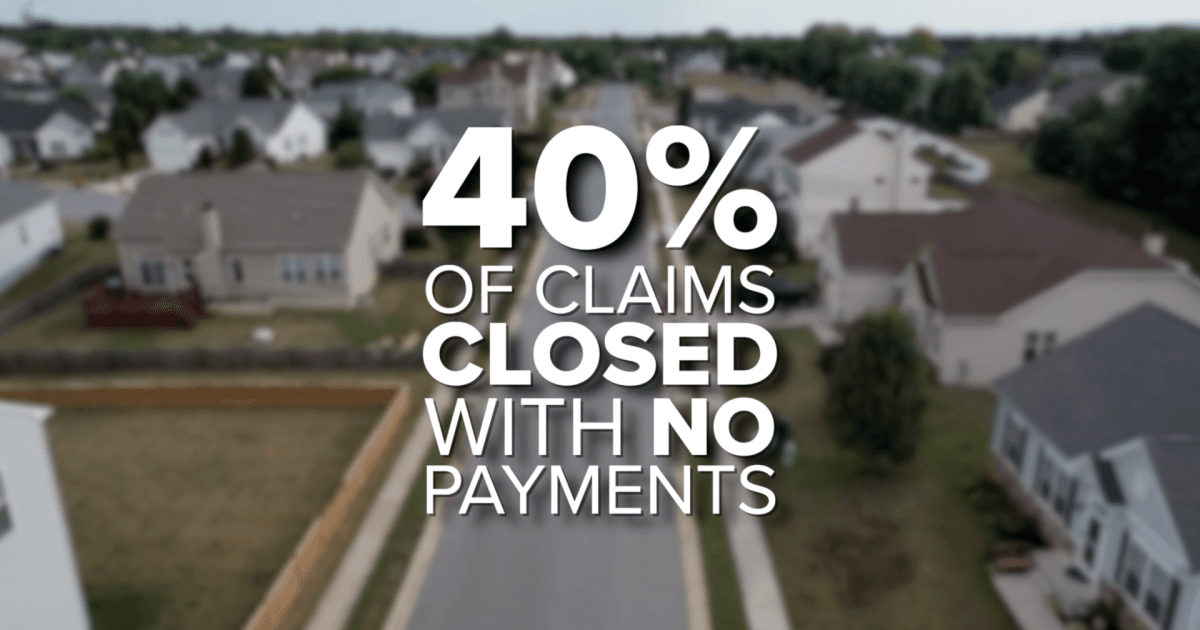
Florida homeowners are now paying an average of $5,838 per year for insurance — nearly $3,000 above the national average — making it one of the most expensive states in the country. As premiums continue to triple for some residents, many are being forced into tough decisions, from delaying home improvements to dropping coverage altogether. With more than 40% of claims closed with no payment and lawmakers pushing for aggressive reforms, the crisis is reshaping Florida’s housing market and placing growing pressure on real estate, mortgage, and insurance professionals statewide.
Griffin Funding has elevated John Jones to Senior Vice President of Growth and EOS Integrator, marking a major step in the company’s long-term expansion strategy. Already a key operational leader since April 2025, Jones will now drive performance optimization, market expansion, and leadership development as the lender pursues an ambitious goal of reaching $3 billion in annual non-QM loan volume by 2030. His promotion underscores Griffin Funding’s commitment to scaling strategically while strengthening its position in the fast-growing non-QM space.
Despite recent Federal Reserve rate cuts, commercial real estate remains frozen. Long‑term Treasury yields continue to climb, keeping borrowing costs high and preventing the relief investors expected. With nearly $1 trillion in commercial loans coming due, refinancing at today’s elevated rates is squeezing owners, slowing transactions, and creating a widening gap between buyers and sellers. For patient, well‑capitalized investors, this period of recalibration may offer some of the strongest opportunities in years.