New Florida Laws Taking Effect January 1, 2026: What Professionals Need to Know
As the new year dawns, Florida introduces several impactful laws affecting healthcare, insurance, pet ownership, real estate, education, boating, and more. While many 2025 laws went into effect earlier, January 1 brings a fresh wave of updates every professional should be aware of.
This article is inspired by in-depth reporting from the Tallahassee Democrat, a respected source for Florida legislative news.
Three Major Laws Going Into Effect January 1, 2026
SB 158: Breast Exam Coverage for State Employees
This new law eliminates cost-sharing for diagnostic and supplemental breast exams in the state group insurance program. Employees now have access to MRIs, ultrasounds, and similar diagnostic tools without out-of-pocket costs.
Healthcare professionals and insurers should review billing processes to stay compliant.
HB 655: Regulation of Pet Insurance and Wellness Programs
Florida now officially categorizes pet insurance under property insurance. Companies must follow newly established definitions, avoid deceptive marketing, and clearly disclose terms.
This directly impacts insurance agents, many of whom complete licensing and CE courses through reputable schools such as Cameron Academy.
SB 1808: Refund of Patient Overpayments
Healthcare providers must issue refunds for patient overpayments within 30 days of identifying them or face potential penalties up to $500.
Billing specialists, clinics, and administrators should update internal compliance workflows immediately.
Existing Laws With New January Requirements
Several previously enacted laws carry new obligations beginning January 1. These shifts will affect real estate, marine activities, medical administration, and more.
HB 164: Vessel Accountability
Owners anchoring within one linear nautical mile of a documented location for 14 days or more must obtain a free long-term anchoring permit.
HB 255: Dexter’s Law – Animal Cruelty Database
Florida will launch a public database identifying individuals convicted of animal cruelty, enabling shelters and adoption agencies to screen applicants more accurately.
HB 531: Background Screening Education Portal
A centralized hub for background screening requirements must be launched by the Agency for Health Care Administration.
HB 677: Fertility Preservation Coverage
Any policy for state employees issued from January 1 forward must include fertility preservation coverage for cancer patients.
HB 913: Condominium & Cooperative Association Updates
New posting and documentation requirements are now active for condo associations. These updates also affect Florida real estate professionals—especially those working with HOA-governed communities. For those entering the field, Cameron Academy remains a top choice for staying educated on evolving regulations.
SB 944: Overpayment Claims for Psychologists
Insurers and HMOs now have a tighter 12‑month window to submit psychologist overpayment claims.
SB 954: Certified Recovery Residences
Local governments must finalize streamlined approval processes for recovery residences by January 1.
SB 1080: Local Government Land Regulation
New restrictions on local government impact fee increases take effect—impacting developers, builders, and real estate professionals statewide.
HB 1105: Education Rule Changes
The law strengthens a bell-to-bell wireless device ban for K–8 schools and requires new guidance on alternative education pathways.
SB 1490: Children’s Medical Services Overhaul
The program formally transitions from the Department of Health to the Agency for Health Care Administration.
SB 7012: Child Welfare Enhancements
Florida must launch a treatment foster care pilot program and expand data collection on child exploitation cases.
Studies and Reports Due in January
HB 1359: Pawn Database Feasibility Study
The Florida Department of Law Enforcement must review whether implementing a statewide pawn transaction database is feasible.
SB 1470: School Safety Recommendations
A statewide workgroup will deliver recommendations on creating a Florida Institute of School Safety.
SB 2514: Nursing Home Care Study
A third‑party vendor must evaluate national incentive programs, care technology, and Medicaid structures, with findings due January 5.
What This Means for Florida Professionals
Whether you work in real estate, healthcare, insurance, education, or public services, these laws shape the professional environment you operate in. Staying informed isn’t optional—it’s essential for maintaining excellence.
Cameron Academy proudly supports professionals across all 50 states, offering modern, compliant, and career-advancing licensing education. As laws evolve, staying educated ensures you stay ahead.
More Articles
Getting licensed or staying ahead in your career can be a journey—but it doesn’t have to be overwhelming. Grab your favorite coffee or tea, take a moment to relax, and browse through our articles. Whether you’re just starting out or renewing your expertise, we’ve got tips, insights, and advice to keep you moving forward. Here’s to your success—one sip and one step at a time!
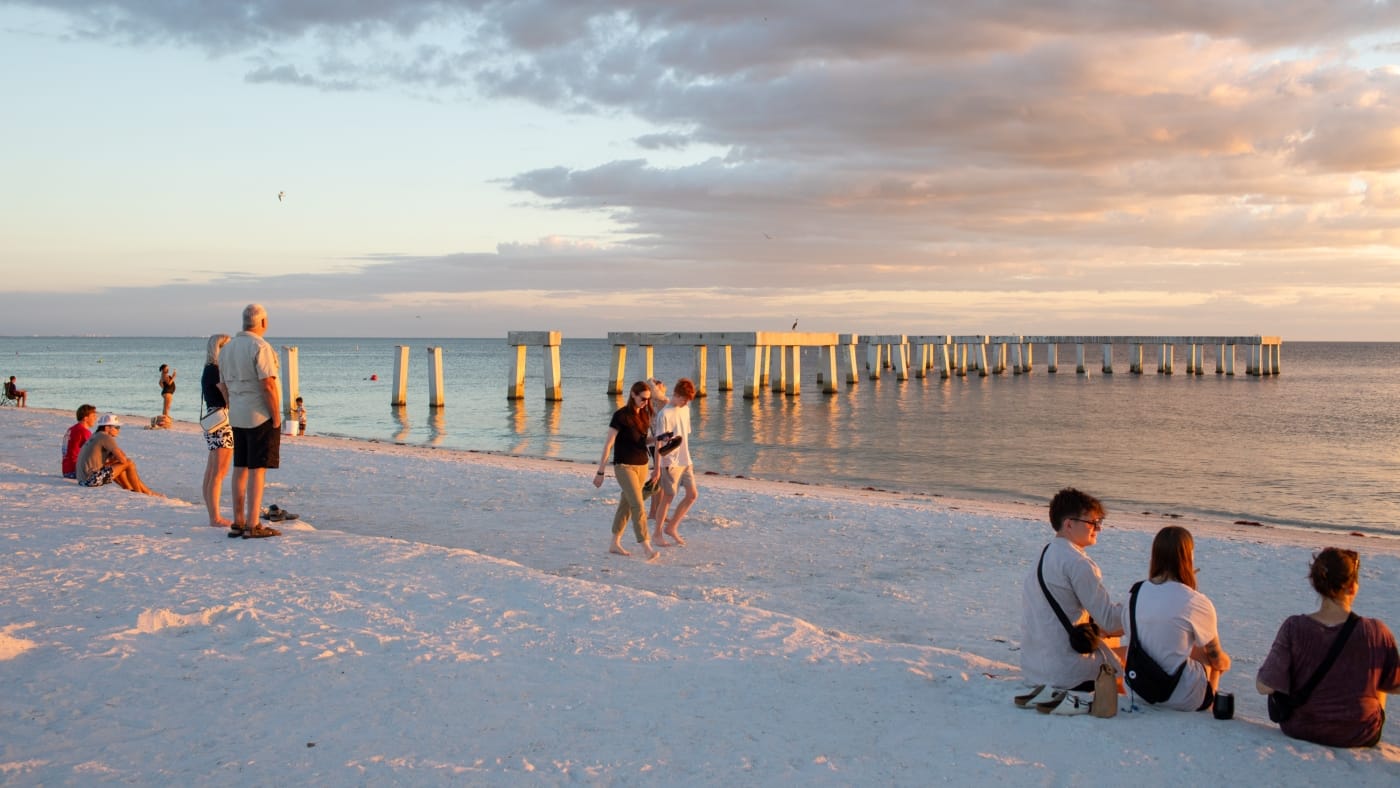
Fort Myers Beach is becoming the front line of a new Florida—one shaped by hurricane devastation, soaring insurance premiums, and rapid gentrification. Three years after Hurricane Ian, residents are still battling massive rebuilding costs and insurance bills that now exceed $5,700 a year on average, with flood insurance reaching $10,000 for some families. Long-time locals, small businesses, and service workers are being priced out as wealthy investors move in, transforming once-affordable coastal communities. Real estate professionals warn that foreclosures may rise if economic pressures continue, signaling a pivotal moment for Florida’s housing market and the professionals who serve it.
Economic uncertainty, AI disruption, slowing population growth, and rising portfolio risk are reshaping commercial real estate heading into 2026. A new report unveiled at NAR NXT highlights the forces that will reward informed professionals — and challenge those who aren’t prepared. From fiscal policy and shifting capital flows to tech transformation and housing shortages, the landscape is evolving fast. Cameron Academy breaks down the key issues so real estate, mortgage, finance, and insurance professionals can stay ahead of the curve.
A sudden federal shutdown of FEMA’s BRIC resiliency program has left cities and commercial property owners scrambling, exposing billions in real estate to rising climate threats. With nearly a billion dollars in mitigation funding clawed back and extreme weather intensifying, insurance premiums are expected to surge and coverage may shrink — placing new pressure on markets like Florida and New York.
A new Florida Senate bill aims to stop cities and counties from blocking residential developments over vague “compatibility” concerns. Supporters say the measure would speed up homebuilding and ease housing shortages, while opponents argue it strips communities of essential oversight and could accelerate growth without proper planning. The proposal could reshape development timelines and land-use decisions statewide, making it a major issue for real estate professionals to watch.
Cape Coral–Fort Myers has officially moved into buyer-friendly territory, with homes now sitting a median 119 days on the market—far longer than both the Florida and U.S. averages. Rising inventory, a 36.9 percent price‑reduction rate, and slower absorption compared to accumulated supply are giving buyers more leverage and time to negotiate, signaling a meaningful reset in this once‑fast‑moving Florida market.
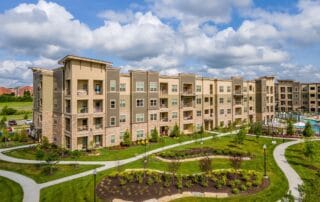
Kansas City’s commercial real estate sector is finally turning a corner after several years of sluggish activity. Retail is leading the rebound, while multifamily and industrial properties are gaining traction as pricing stabilizes and buyer confidence returns. A standout 2025 transaction—the sale of the 380‑unit Cyan Southcreek community—signals that capital is flowing back into the market. With bid‑ask spreads tightening and investor optimism rising, Kansas City is entering a period of renewed opportunity for real estate professionals and investors alike.


 Florida’s Middle Class Is Being Squeezed Out: Insurance Costs, Rebuilding Struggles, and a Changing Coastline Gallery