New Florida Laws Taking Effect January 1, 2026: What Professionals Need to Know
As the new year dawns, Florida introduces several impactful laws affecting healthcare, insurance, pet ownership, real estate, education, boating, and more. While many 2025 laws went into effect earlier, January 1 brings a fresh wave of updates every professional should be aware of.
This article is inspired by in-depth reporting from the Tallahassee Democrat, a respected source for Florida legislative news.
Three Major Laws Going Into Effect January 1, 2026
SB 158: Breast Exam Coverage for State Employees
This new law eliminates cost-sharing for diagnostic and supplemental breast exams in the state group insurance program. Employees now have access to MRIs, ultrasounds, and similar diagnostic tools without out-of-pocket costs.
Healthcare professionals and insurers should review billing processes to stay compliant.
HB 655: Regulation of Pet Insurance and Wellness Programs
Florida now officially categorizes pet insurance under property insurance. Companies must follow newly established definitions, avoid deceptive marketing, and clearly disclose terms.
This directly impacts insurance agents, many of whom complete licensing and CE courses through reputable schools such as Cameron Academy.
SB 1808: Refund of Patient Overpayments
Healthcare providers must issue refunds for patient overpayments within 30 days of identifying them or face potential penalties up to $500.
Billing specialists, clinics, and administrators should update internal compliance workflows immediately.
Existing Laws With New January Requirements
Several previously enacted laws carry new obligations beginning January 1. These shifts will affect real estate, marine activities, medical administration, and more.
HB 164: Vessel Accountability
Owners anchoring within one linear nautical mile of a documented location for 14 days or more must obtain a free long-term anchoring permit.
HB 255: Dexter’s Law – Animal Cruelty Database
Florida will launch a public database identifying individuals convicted of animal cruelty, enabling shelters and adoption agencies to screen applicants more accurately.
HB 531: Background Screening Education Portal
A centralized hub for background screening requirements must be launched by the Agency for Health Care Administration.
HB 677: Fertility Preservation Coverage
Any policy for state employees issued from January 1 forward must include fertility preservation coverage for cancer patients.
HB 913: Condominium & Cooperative Association Updates
New posting and documentation requirements are now active for condo associations. These updates also affect Florida real estate professionals—especially those working with HOA-governed communities. For those entering the field, Cameron Academy remains a top choice for staying educated on evolving regulations.
SB 944: Overpayment Claims for Psychologists
Insurers and HMOs now have a tighter 12‑month window to submit psychologist overpayment claims.
SB 954: Certified Recovery Residences
Local governments must finalize streamlined approval processes for recovery residences by January 1.
SB 1080: Local Government Land Regulation
New restrictions on local government impact fee increases take effect—impacting developers, builders, and real estate professionals statewide.
HB 1105: Education Rule Changes
The law strengthens a bell-to-bell wireless device ban for K–8 schools and requires new guidance on alternative education pathways.
SB 1490: Children’s Medical Services Overhaul
The program formally transitions from the Department of Health to the Agency for Health Care Administration.
SB 7012: Child Welfare Enhancements
Florida must launch a treatment foster care pilot program and expand data collection on child exploitation cases.
Studies and Reports Due in January
HB 1359: Pawn Database Feasibility Study
The Florida Department of Law Enforcement must review whether implementing a statewide pawn transaction database is feasible.
SB 1470: School Safety Recommendations
A statewide workgroup will deliver recommendations on creating a Florida Institute of School Safety.
SB 2514: Nursing Home Care Study
A third‑party vendor must evaluate national incentive programs, care technology, and Medicaid structures, with findings due January 5.
What This Means for Florida Professionals
Whether you work in real estate, healthcare, insurance, education, or public services, these laws shape the professional environment you operate in. Staying informed isn’t optional—it’s essential for maintaining excellence.
Cameron Academy proudly supports professionals across all 50 states, offering modern, compliant, and career-advancing licensing education. As laws evolve, staying educated ensures you stay ahead.
More Articles
Getting licensed or staying ahead in your career can be a journey—but it doesn’t have to be overwhelming. Grab your favorite coffee or tea, take a moment to relax, and browse through our articles. Whether you’re just starting out or renewing your expertise, we’ve got tips, insights, and advice to keep you moving forward. Here’s to your success—one sip and one step at a time!
Investors worldwide are redeploying capital, embracing more active deal structures, and expanding into new regions as the 2026 market takes shape. Data centers, revived office demand, and global diversification are driving a major shift—creating fresh opportunities for real estate, mortgage, and finance professionals who understand where capital is heading next.
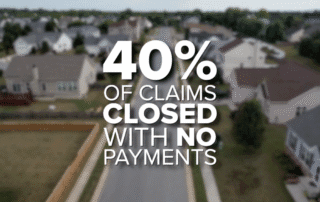
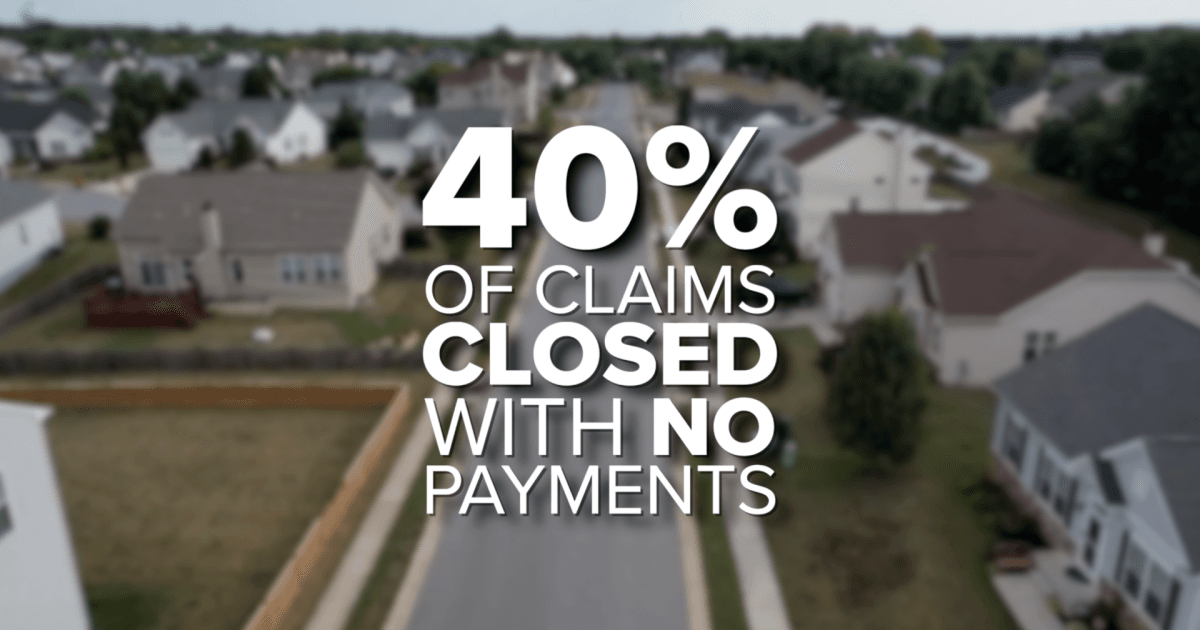
Florida homeowners now pay an average of $5,838 per year for insurance—about $3,000 more than the national average—pushing many families to the financial brink. Residents report premiums tripling, claims being severely underpaid, and insurers dropping policies at one of the highest rates in the country. As frustration mounts, lawmakers and industry experts are calling for sweeping reforms to curb rising costs, increase accountability, and stabilize a market that’s reshaping real estate decisions across the state.
Florida’s insurance market has hit a major turning point. Citizens Property Insurance—once the state’s largest insurer with 1.4 million policies—has shed more than 900,000 policies as private insurers return in force. Driven by Florida’s depopulation program and the arrival of 17 new companies, nearly 200,000 policies shifted to private carriers in October alone, with about 40 percent offering lower premiums. The shift signals rising competition, stabilizing rates, and new opportunities for homeowners and industry professionals navigating Florida’s evolving insurance landscape.
The National Association of REALTORS® has approved 18 major updates to modernize its MLS policies—the largest overhaul in two decades. Announced at NAR NXT in Houston and set to take effect in January 2026, the changes aim to streamline MLS operations, improve enforcement clarity, and better align policies with how today’s real estate professionals actually work.
Inhabit has rolled out a powerful lineup of AI-driven leasing, marketing, fraud prevention, and compliance tools designed to streamline operations and protect property teams from growing risks. From hybrid AI leasing assistants to instant income verification and upcoming portfolio-wide lease audits, these innovations aim to cut costs, eliminate inefficiencies, and strengthen regulatory confidence across the multifamily industry.
Florida’s latest round of insurance reforms was meant to calm a volatile market, yet many experts warn the same deep structural problems remain. Homeowners are being pushed from Citizens into higher‑priced, lightly capitalized private insurers, ratings agencies face scrutiny for inflated grades, and political influence clouds oversight. For real estate and insurance professionals, these trends signal ongoing risk, rising costs, and a market in need of a complete rebuild.