State Farm Is Finally Proposing a Rate Reduction in Florida — And It Might Signal Something Bigger
For years, Florida’s home insurance market has felt like one of those theme‑park rides that climbs slowly, drops suddenly, and leaves everyone questioning why they got on in the first place. Premium after premium climbed, insurers pulled out, and homeowners braced for bad news every renewal season.
But for once, the storyline finally twists in the right direction.
State Farm has officially filed for a 10% rate reduction for Florida homeowners. Yes, a reduction — not another hike. After years of increases, this move feels like a long‑needed breath of fresh air in a state where insurance stress has practically become a personality trait.
Source Spotlight: This update was originally shared by trusted outlets like Inkl and deepened by analysis from The Free Financial Advisor. Excellent resources if you’re tracking the insurance market’s evolution.
Why Would Rates Finally Drop?
Florida’s insurance landscape has weathered a storm of lawsuits, rising repair costs, fraudulent claims, and multiple insurers fleeing the state entirely. But reforms enacted over the last few years have started nudging the market toward stability.
New laws have reduced litigation abuse and tightened up claim-related loopholes. Insurers are now experiencing fewer catastrophic losses — not from fewer storms, but from fewer paperwork hurricanes.
And when the chaos settles, rate relief becomes more than wishful thinking.
What a 10% Reduction Means in Real Terms
In most states, a 10% cut might barely move the needle. But in Florida — where rates climbed faster than the summer humidity — even a modest reduction hits differently. It’s a signal. A shift. A welcome tap of the brakes.
It could even nudge competing insurers to reconsider their own pricing strategies. A domino effect? Maybe not yet. But it’s movement in the right direction.
The Reforms Behind the Scenes
State officials spent years trying to fix the chaos that pushed homeowners to breaking points. Reforms addressing excessive lawsuits, inflated claim schemes, and contractor abuse have begun to produce measurable improvements.
State Farm’s rate reduction is one of the first major indicators that these legislative changes may finally be benefiting residents’ wallets.
Why This Matters Even If You’re Not a State Farm Customer
When a top-tier insurer adjusts course, the ripple affects everyone. Market confidence strengthens, competitors analyze their own filings, and regulators anticipate broader shifts.
This move might be the first spark in what could become a slow, steady, and much‑needed cooling of Florida’s insurance market.
Smart Moves for Homeowners Right Now
Approval isn’t final yet — but homeowners don’t need to wait to act.
Consider taking the following steps:
Review your current policy for unnecessary add‑ons
Ensure all discounts are applied (wind mitigation is huge!)
Shop around to compare premium trends
Watch for new insurer filings in the coming months
A State Farm reduction is good news — but the best deal may still come from another provider.
A Welcome Shift After a Decade of Frustration
Florida’s insurance landscape is far from calm, but this move signals something homeowners haven’t felt in a long time: hope. A 10% reduction won’t rewrite the market overnight, but it’s a meaningful step toward stability.
For those working in real estate, insurance adjusting, property management, or finance, staying informed on these shifts is crucial. And that’s precisely why Cameron Academy continues to educate, prepare, and empower professionals through Florida’s top real estate and insurance licensing programs.
The next chapter for Florida insurance might finally be brighter — and far less chaotic.
Getting licensed or staying ahead in your career can be a journey—but it doesn’t have to be overwhelming. Grab your favorite coffee or tea, take a moment to relax, and browse through our articles. Whether you’re just starting out or renewing your expertise, we’ve got tips, insights, and advice to keep you moving forward. Here’s to your success—one sip and one step at a time!
After nearly 20 years under uniquely harsh lending rules, Florida may finally see its condo market freed from a 25% down payment requirement imposed only on the state. Industry leaders say Fannie Mae could announce changes as early as December—potentially restoring the standard 10% down payment used everywhere else in the country. Experts believe the shift would boost maintenance funding, improve affordability, and stabilize Florida’s condo market after years of strain.
Phoenix’s commercial real estate market is shaking off years of uncertainty as broker optimism hits its highest level since interest rates began climbing. The latest ASU Commercial Broker Sentiment Index soared to 62.7, signaling strong confidence across multifamily, retail, office, and capital markets. With population growth accelerating, interest rates easing, and AI boosting industry efficiency, Phoenix is positioning itself for a powerful run into 2026—offering meaningful opportunities for both new and seasoned real estate professionals.
Michigan’s House Rules Committee heard testimony on a proposal that would let licensed professionals complete all required continuing education online. Supporters say the change would modernize outdated rules, reduce costs, and improve access for rural and busy workers. The state licensing department backs the measure, and lawmakers noted it could reshape CE options across industries from real estate to insurance and healthcare.
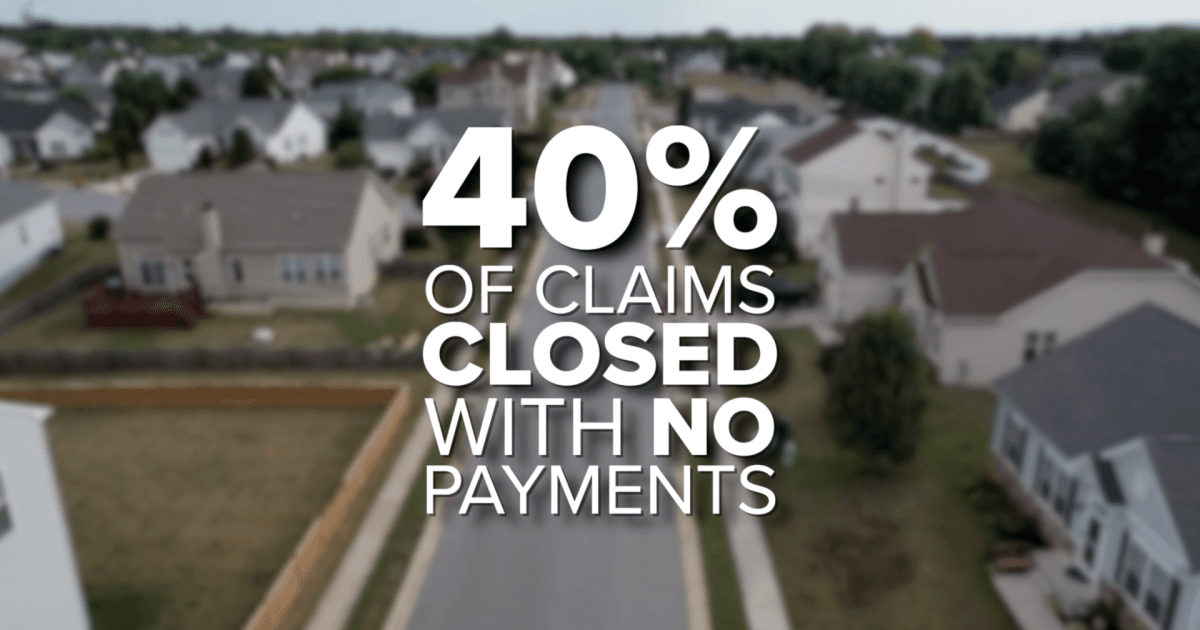
Florida homeowners are now paying an average of $5,838 per year for insurance — nearly $3,000 above the national average — making it one of the most expensive states in the country. As premiums continue to triple for some residents, many are being forced into tough decisions, from delaying home improvements to dropping coverage altogether. With more than 40% of claims closed with no payment and lawmakers pushing for aggressive reforms, the crisis is reshaping Florida’s housing market and placing growing pressure on real estate, mortgage, and insurance professionals statewide.
Griffin Funding has elevated John Jones to Senior Vice President of Growth and EOS Integrator, marking a major step in the company’s long-term expansion strategy. Already a key operational leader since April 2025, Jones will now drive performance optimization, market expansion, and leadership development as the lender pursues an ambitious goal of reaching $3 billion in annual non-QM loan volume by 2030. His promotion underscores Griffin Funding’s commitment to scaling strategically while strengthening its position in the fast-growing non-QM space.
Despite recent Federal Reserve rate cuts, commercial real estate remains frozen. Long‑term Treasury yields continue to climb, keeping borrowing costs high and preventing the relief investors expected. With nearly $1 trillion in commercial loans coming due, refinancing at today’s elevated rates is squeezing owners, slowing transactions, and creating a widening gap between buyers and sellers. For patient, well‑capitalized investors, this period of recalibration may offer some of the strongest opportunities in years.