State Farm Is Finally Proposing a Rate Reduction in Florida — And It Might Signal Something Bigger
For years, Florida’s home insurance market has felt like one of those theme‑park rides that climbs slowly, drops suddenly, and leaves everyone questioning why they got on in the first place. Premium after premium climbed, insurers pulled out, and homeowners braced for bad news every renewal season.
But for once, the storyline finally twists in the right direction.
State Farm has officially filed for a 10% rate reduction for Florida homeowners. Yes, a reduction — not another hike. After years of increases, this move feels like a long‑needed breath of fresh air in a state where insurance stress has practically become a personality trait.
Source Spotlight: This update was originally shared by trusted outlets like Inkl and deepened by analysis from The Free Financial Advisor. Excellent resources if you’re tracking the insurance market’s evolution.
Why Would Rates Finally Drop?
Florida’s insurance landscape has weathered a storm of lawsuits, rising repair costs, fraudulent claims, and multiple insurers fleeing the state entirely. But reforms enacted over the last few years have started nudging the market toward stability.
New laws have reduced litigation abuse and tightened up claim-related loopholes. Insurers are now experiencing fewer catastrophic losses — not from fewer storms, but from fewer paperwork hurricanes.
And when the chaos settles, rate relief becomes more than wishful thinking.
What a 10% Reduction Means in Real Terms
In most states, a 10% cut might barely move the needle. But in Florida — where rates climbed faster than the summer humidity — even a modest reduction hits differently. It’s a signal. A shift. A welcome tap of the brakes.
It could even nudge competing insurers to reconsider their own pricing strategies. A domino effect? Maybe not yet. But it’s movement in the right direction.
The Reforms Behind the Scenes
State officials spent years trying to fix the chaos that pushed homeowners to breaking points. Reforms addressing excessive lawsuits, inflated claim schemes, and contractor abuse have begun to produce measurable improvements.
State Farm’s rate reduction is one of the first major indicators that these legislative changes may finally be benefiting residents’ wallets.
Why This Matters Even If You’re Not a State Farm Customer
When a top-tier insurer adjusts course, the ripple affects everyone. Market confidence strengthens, competitors analyze their own filings, and regulators anticipate broader shifts.
This move might be the first spark in what could become a slow, steady, and much‑needed cooling of Florida’s insurance market.
Smart Moves for Homeowners Right Now
Approval isn’t final yet — but homeowners don’t need to wait to act.
Consider taking the following steps:
Review your current policy for unnecessary add‑ons
Ensure all discounts are applied (wind mitigation is huge!)
Shop around to compare premium trends
Watch for new insurer filings in the coming months
A State Farm reduction is good news — but the best deal may still come from another provider.
A Welcome Shift After a Decade of Frustration
Florida’s insurance landscape is far from calm, but this move signals something homeowners haven’t felt in a long time: hope. A 10% reduction won’t rewrite the market overnight, but it’s a meaningful step toward stability.
For those working in real estate, insurance adjusting, property management, or finance, staying informed on these shifts is crucial. And that’s precisely why Cameron Academy continues to educate, prepare, and empower professionals through Florida’s top real estate and insurance licensing programs.
The next chapter for Florida insurance might finally be brighter — and far less chaotic.
Getting licensed or staying ahead in your career can be a journey—but it doesn’t have to be overwhelming. Grab your favorite coffee or tea, take a moment to relax, and browse through our articles. Whether you’re just starting out or renewing your expertise, we’ve got tips, insights, and advice to keep you moving forward. Here’s to your success—one sip and one step at a time!
Florida’s property insurance system is once again spiraling as new “market-friendly” reforms fail to stabilize rising premiums, insurer failures, and mounting homeowner frustration. Despite aggressive efforts to shift policyholders from Citizens to private carriers, many of the new insurers stepping in are tied to past insolvencies, questionable ratings, and political influence. For real estate, mortgage, and insurance professionals, these systemic cracks are reshaping closings, valuations, and risk across the state—making it essential to stay ahead of ongoing regulatory and market shifts.
Commercial real estate is heading into a turning‑point year in 2026, driven by economic uncertainty, AI‑powered transformation, shifting demographics and rising portfolio risk. Insights from The Counselors of Real Estate highlight the top issues shaping the year ahead—from fiscal pressures and capital constraints to housing shortages, global volatility and the future of data‑driven decision‑making. For real estate, mortgage, insurance and finance professionals, these trends offer a clear roadmap for staying competitive and preparing for the next wave of industry change.
AI-powered tools, fraud protection systems, and smarter MLS integrations are sweeping through the real estate industry as major organizations adopt new technologies. From RealReports hitting its 50th partnership to BeachesMLS unveiling instant AI home visualizations and Doorify boosting security, professionals are seeing rapid advancements that promise sharper insights, safer transactions, and more efficient rental workflows. This evolving tech landscape underscores the importance of staying educated and adaptable — especially for agents preparing for a competitive, AI-enhanced 2025 market.
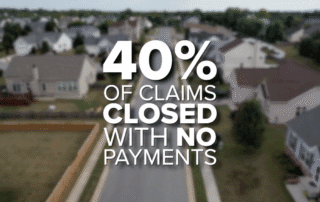
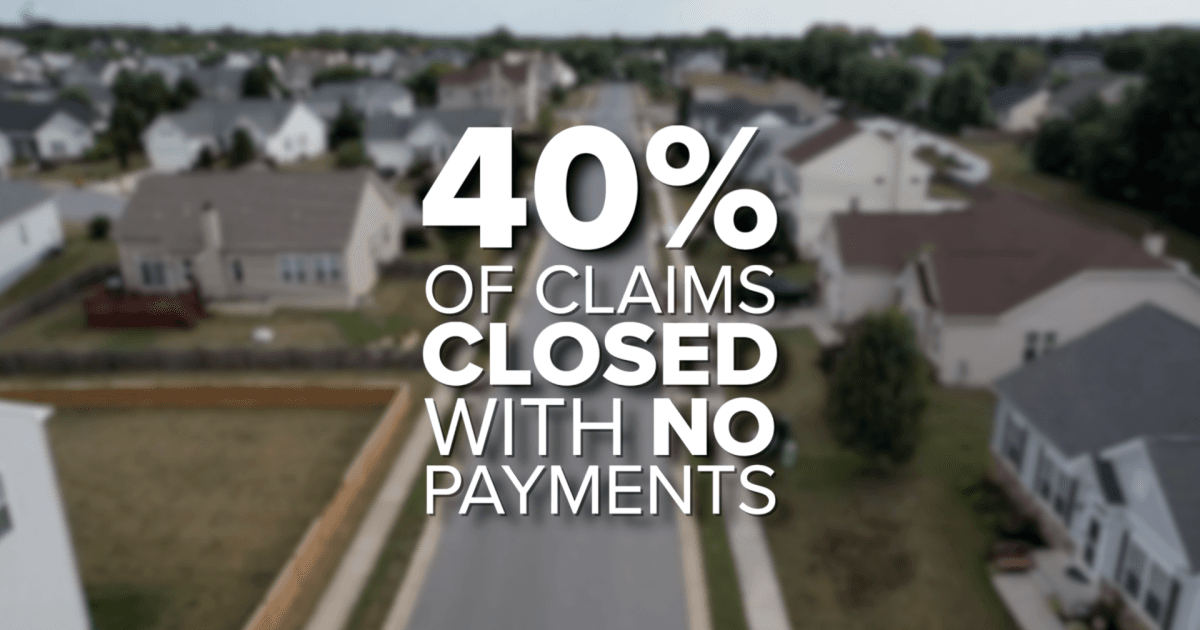
Florida homeowners are being hit with the highest insurance premiums in the nation, averaging $5,838 per year—nearly double the U.S. average. As costs skyrocket, many residents are reporting denied claims, non‑renewals, and impossible financial choices. New investigations reveal that more than 40 percent of claims in Florida close with no payment, while lawmakers push for transparency, fair pricing, and meaningful reform to stabilize a market that’s rapidly becoming unsustainable.
Vend Park, a Boston-based proptech company, has raised $17.5 million in Series A funding to reinvent parking as a high-performing commercial real estate asset. By replacing outdated operator–vendor systems with a unified AI-driven platform, Vend Park is helping major property owners boost NOI by up to 30%, slash operating costs, and modernize the tenant experience. As the company expands from three to fifteen cities and partners with giants like Nuveen and Jamestown, its technology highlights a major shift: real estate professionals must now understand AI, automation, and digital infrastructure to stay competitive.
Keller Williams Realty Atlanta Partners has formed an exclusive partnership with Southeast Mortgage, Georgia’s largest non‑bank mortgage lender. The collaboration promises faster, tech‑enhanced transactions for both agents and homebuyers, combining real estate expertise with streamlined mortgage services. This move reflects a growing trend toward integrated real‑estate ecosystems designed to reduce delays, boost transparency, and modernize the homebuying experience.