State Farm Is Finally Proposing a Rate Reduction in Florida — And It Might Signal Something Bigger
For years, Florida’s home insurance market has felt like one of those theme‑park rides that climbs slowly, drops suddenly, and leaves everyone questioning why they got on in the first place. Premium after premium climbed, insurers pulled out, and homeowners braced for bad news every renewal season.
But for once, the storyline finally twists in the right direction.
State Farm has officially filed for a 10% rate reduction for Florida homeowners. Yes, a reduction — not another hike. After years of increases, this move feels like a long‑needed breath of fresh air in a state where insurance stress has practically become a personality trait.
Source Spotlight: This update was originally shared by trusted outlets like Inkl and deepened by analysis from The Free Financial Advisor. Excellent resources if you’re tracking the insurance market’s evolution.
Why Would Rates Finally Drop?
Florida’s insurance landscape has weathered a storm of lawsuits, rising repair costs, fraudulent claims, and multiple insurers fleeing the state entirely. But reforms enacted over the last few years have started nudging the market toward stability.
New laws have reduced litigation abuse and tightened up claim-related loopholes. Insurers are now experiencing fewer catastrophic losses — not from fewer storms, but from fewer paperwork hurricanes.
And when the chaos settles, rate relief becomes more than wishful thinking.
What a 10% Reduction Means in Real Terms
In most states, a 10% cut might barely move the needle. But in Florida — where rates climbed faster than the summer humidity — even a modest reduction hits differently. It’s a signal. A shift. A welcome tap of the brakes.
It could even nudge competing insurers to reconsider their own pricing strategies. A domino effect? Maybe not yet. But it’s movement in the right direction.
The Reforms Behind the Scenes
State officials spent years trying to fix the chaos that pushed homeowners to breaking points. Reforms addressing excessive lawsuits, inflated claim schemes, and contractor abuse have begun to produce measurable improvements.
State Farm’s rate reduction is one of the first major indicators that these legislative changes may finally be benefiting residents’ wallets.
Why This Matters Even If You’re Not a State Farm Customer
When a top-tier insurer adjusts course, the ripple affects everyone. Market confidence strengthens, competitors analyze their own filings, and regulators anticipate broader shifts.
This move might be the first spark in what could become a slow, steady, and much‑needed cooling of Florida’s insurance market.
Smart Moves for Homeowners Right Now
Approval isn’t final yet — but homeowners don’t need to wait to act.
Consider taking the following steps:
Review your current policy for unnecessary add‑ons
Ensure all discounts are applied (wind mitigation is huge!)
Shop around to compare premium trends
Watch for new insurer filings in the coming months
A State Farm reduction is good news — but the best deal may still come from another provider.
A Welcome Shift After a Decade of Frustration
Florida’s insurance landscape is far from calm, but this move signals something homeowners haven’t felt in a long time: hope. A 10% reduction won’t rewrite the market overnight, but it’s a meaningful step toward stability.
For those working in real estate, insurance adjusting, property management, or finance, staying informed on these shifts is crucial. And that’s precisely why Cameron Academy continues to educate, prepare, and empower professionals through Florida’s top real estate and insurance licensing programs.
The next chapter for Florida insurance might finally be brighter — and far less chaotic.
Getting licensed or staying ahead in your career can be a journey—but it doesn’t have to be overwhelming. Grab your favorite coffee or tea, take a moment to relax, and browse through our articles. Whether you’re just starting out or renewing your expertise, we’ve got tips, insights, and advice to keep you moving forward. Here’s to your success—one sip and one step at a time!
A federal judge has denied class‑certification in the high‑stakes Batton commission lawsuit, delivering a temporary win for NAR and major brokerages while leaving the door open for plaintiffs to try again. With as much as $3.6 billion in potential damages on the line and nearly 80% of the proposed class now disqualified due to conflicts with earlier settlements, the case stands at a pivotal moment. Real estate professionals nationwide — especially in Florida — should watch closely, as the ruling could shape the future of buyer‑agent compensation.
Florida homeowners are paying nearly double the national average for insurance, with premiums now reaching $5,838 a year and denied claims topping 40 percent. Residents report tripled rates, underpaid claims, and mounting financial strain, pushing lawmakers in Tallahassee to propose caps on rate hikes, tax breaks for storm‑proof upgrades, and tighter oversight of insurers. These developments are reshaping real estate and insurance conversations across the state as professionals brace for major industry shifts.
Berkshire County closed Q3 2025 with strong momentum as sales, dollar volume, and buyer competition all climbed year‑over‑year. Inventory showed slight improvement but remains far below demand, keeping the market tilted toward sellers. Single‑family homes and condos led the surge, while multifamily, land, and commercial sectors showed mixed performance. The region continues to stand out as one of New England’s most resilient real estate markets heading into 2026.
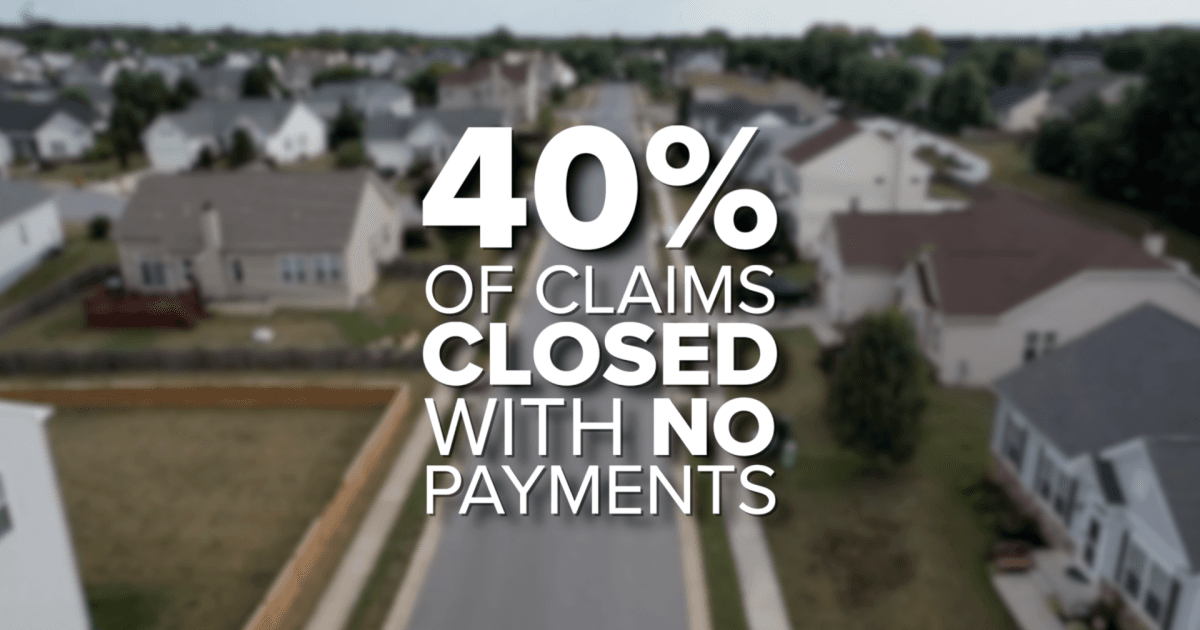
Florida homeowners now face the highest insurance burdens in the nation, with average premiums topping $5,800 per year—roughly $3,000 above the national average. As rates triple for some residents, more Floridians are skipping coverage altogether, while denied claims and slow payouts add to the frustration. With over 40 percent of claims closing with no payment and lawmakers battling over reform in Tallahassee, the crisis is reshaping budgets, homebuying decisions, and the real estate industry statewide.
Global capital is surging back into real estate—and this time, investors want more control. Colliers’ 2026 Global Investor Outlook reveals a major shift toward direct investments, joint ventures, and hands‑on strategies as money moves across North America, Europe, and the booming Asia‑Pacific markets. Data centers are now the top‑funded asset class, offices are staging a comeback, and adaptive reuse is reshaping cities worldwide. For real estate and finance professionals, the message is clear: opportunity is accelerating, and those with the right education and licensing will be at the center of the action.
The Fed’s recent rate cuts should have offered relief to commercial real estate—but long-term borrowing costs haven’t budged. While short‑term rates are falling, stubborn long‑term yields, broken deal math, and a trillion‑dollar refinancing wave are keeping the market frozen. For investors and professionals across Florida and the nation, understanding this disconnect is key to navigating the opportunities and risks emerging in today’s shifting CRE landscape.