The Biggest Opportunity in Real Estate Since 2008

The commercial real estate market is experiencing something rare — a shift so significant that seasoned professionals are comparing it to the post‑2008 boom. According to Entrepreneur, current conditions are aligning to reward strategic buyers who understand timing, valuations, and market cycles. For professionals in real estate, finance, and related fields, this is one of those moments worth paying close attention to.

Commercial real estate market shift

Historically, market resets like this have created massive winners. After 2008, companies like Prologis, American Tower Corp, and Crown Castle aggressively expanded their real estate holdings — and their stock values soared between 900% and 1,300% over the next decade. Today, they are among the most dominant industrial real estate owners in the nation.

A New Opening for Everyday Investors

What makes today’s market particularly noteworthy is that a similar setup appears to be forming again. This time, a firm called AARE is offering everyday investors the chance to participate earlier — before becoming a public REIT.

Explore the original opportunity featured by Entrepreneur:
AARE Investment Offering

Compared to major REITs valued in the tens of billions, AARE’s valuation sits near $39 million. This wide valuation gap is a key factor that may create significant upside for early participants.

20+ Years of REIT Preparation

AARE has spent over two decades refining a diversified commercial real estate model. Their strategy includes:

  • Acquiring income‑producing commercial properties at discounted prices
  • Building a long‑term, diversified national portfolio
  • Distributing up to 100% of taxable income to shareholders

The company reports generating more than $7 million in recurring revenue and aims to begin dividend payouts within the next 24–36 months. Notably, up to 75% of investor funds are deployed directly into real assets — a stabilizing advantage during volatile cycles.

The Next Cycle Is Already Forming

Between now and 2027, trillions in commercial debt will mature — including roughly $162 billion in multifamily loans. With higher interest rates preventing many owners from refinancing, forced sales are becoming more common, often at steep discounts. Apartment values have already fallen approximately 25% since 2021.

Inflation‑driven construction costs add another layer: in many cities, buying existing buildings is now cheaper than developing new ones. This phenomenon — purchasing below replacement cost — is one of the strongest value indicators in commercial real estate.

Many properties are selling at 30–40% below peak pricing. Combined with the Federal Reserve beginning to ease rates, the stage is set for a potential multi‑year recovery cycle.

AARE’s Dual‑Engine Model

Entrepreneur highlights that AARE isn’t relying solely on real estate holdings. Their 20+ year‑old services division generates additional revenue streams that could potentially fund future special dividends. With operations expanded into 25 states and plans to reach all 50, AARE is preparing for nationwide visibility.

Discover AARE’s national strategy and shareholder opportunities:
Become an AARE Shareholder

For real estate professionals — especially those earning or upgrading their credentials — this cycle is a powerful case study in timing, distressed asset strategy, and market‑driven opportunity. If you’re entering the industry or elevating your expertise, educational institutions like Cameron Academy offer the licensing and professional training that support long‑term success in cycles just like this.

This article is adapted from a paid advertisement originally published by Entrepreneur. To review the official AARE investment documents, visit invest.aare.com.

Disclaimer: Private placement investments involve significant risk, including the potential loss of your full investment. Always perform due diligence or consult a financial professional before investing.


More Articles

Getting licensed or staying ahead in your career can be a journey—but it doesn’t have to be overwhelming. Grab your favorite coffee or tea, take a moment to relax, and browse through our articles. Whether you’re just starting out or renewing your expertise, we’ve got tips, insights, and advice to keep you moving forward. Here’s to your success—one sip and one step at a time!

South Florida Housing Market Gains Momentum for 2026 as Mortgage Rates Decline

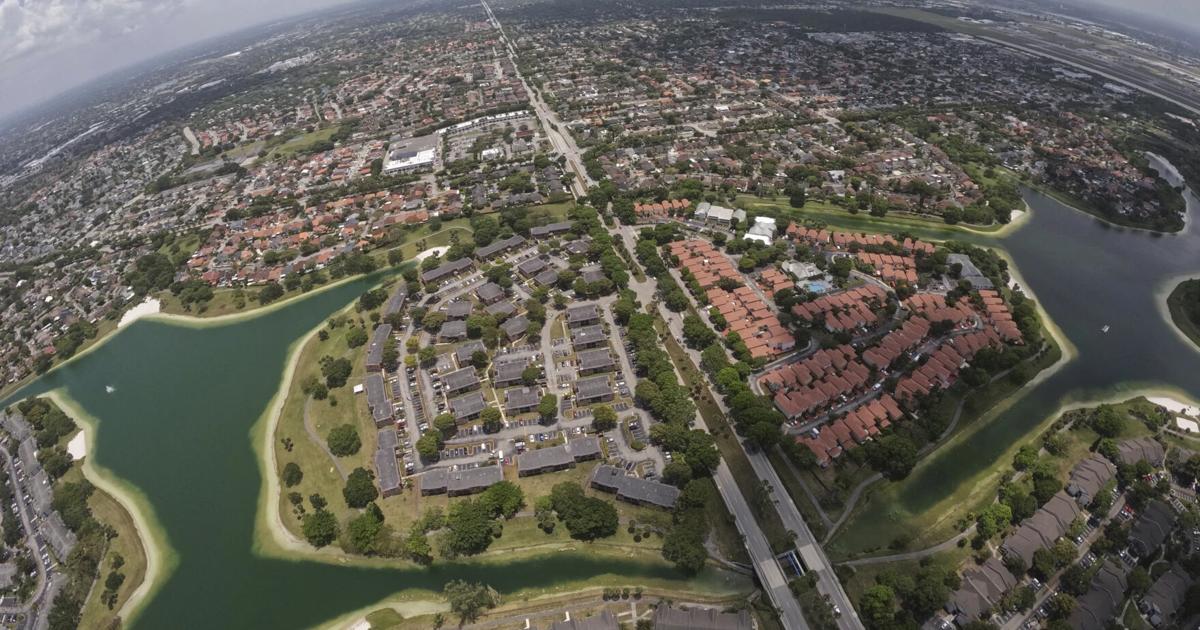
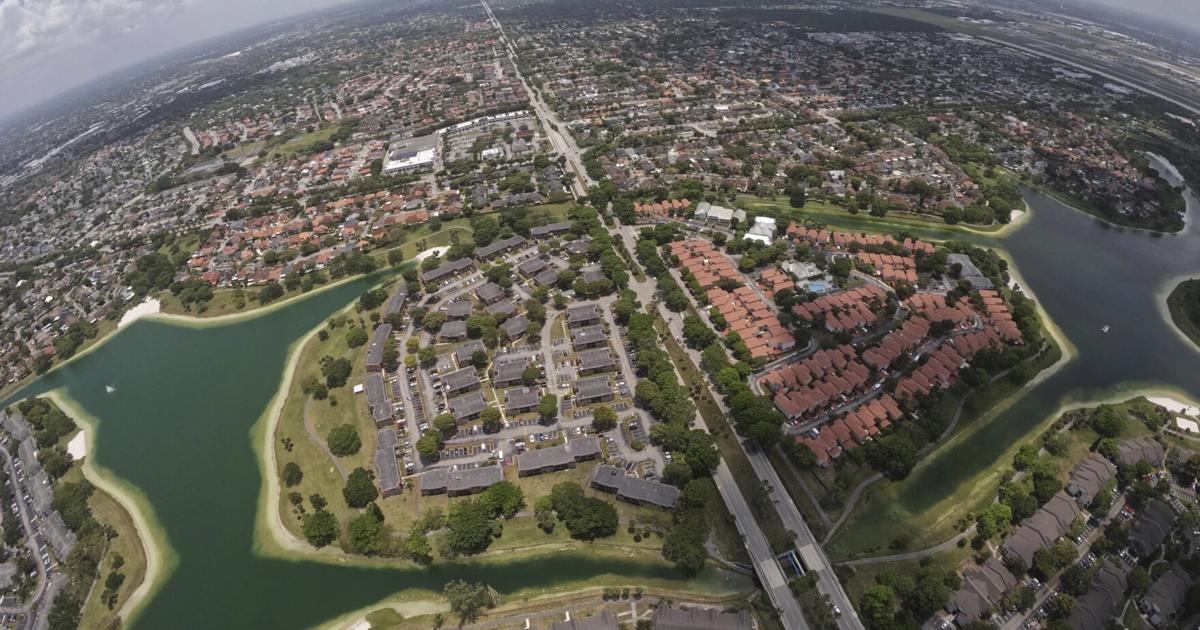
Lower interest rates, improving buyer confidence, and a resilient job market are setting the stage for a stronger South Florida real estate landscape in 2026. After a steadier‑than‑expected 2025, single‑family homes remain competitive, condos are stabilizing despite regulatory pressures, and commercial real estate continues to outperform national trends — giving industry professionals plenty to watch in the year ahead.

2026 Housing Market Outlook: Are We Finally Heading Toward Stability?

Economists across the housing industry are signaling that 2026 may finally bring a true market rebalance. With mortgage rates expected to ease, inventory slowly expanding and affordability showing its first real improvement in years, home sales could climb by 14% nationwide. Prices are projected to rise only modestly, builders are ramping up cautiously and shifting demographics are reshaping who’s buying—and what they’re looking for. For real estate and finance professionals, this more active and balanced landscape sets the stage for a strong year of opportunity.

Lower Interest Rates Spark New Optimism in South Florida’s 2026 Real Estate Market

South Florida enters 2026 with renewed confidence as easing mortgage rates, a solid job market, and stabilizing housing trends breathe life back into both single‑family and condo sectors. After an uneven 2025 marked by high costs and condo‑related challenges, lower borrowing rates are drawing buyers back, encouraging more homeowners to list, and positioning the region for a more balanced — though still competitive — year ahead.

Six Real Estate Trends Reshaping the U.S. Market in 2026

The U.S. real estate landscape is entering a defining year, driven by AI innovation, reimagined office spaces, immersive retail, and resilient industrial growth. Investors are becoming more selective, while ESG expectations are solidifying into essential standards for value and tenant demand. For professionals looking to stay competitive in 2026, understanding these shifts—and upskilling accordingly—will be key to navigating an industry rapidly transforming in real time.

Conforming Mortgage Credit Availability Plunges to Record Low as Lenders Tighten Standards

Conforming mortgage credit has dropped to its lowest level since the MBA began tracking it in 2011, signaling a major tightening in loan options as 2026 begins. December’s Mortgage Credit Availability Index fell 2.6%, driven by shrinking ARM offerings, fewer cash‑out refi programs, and stricter documentation requirements. With conforming loans seeing the sharpest decline—down 3.8%—both buyers and mortgage professionals face a more challenging lending landscape that demands stronger financial profiles and up‑to‑date industry knowledge.

Creative Strategies Are Finally Helping First-Time Buyers Break Into the 2026 Housing Market

A new NAR outlook shows that first-time buyers may finally be gaining traction in 2026 as rising inventory, easing rates, and creative financing strategies open long-awaited pathways into homeownership. From ARMs and government-backed loans to family support, grants, and co-buying, younger buyers are finding new ways to “make the math work.” Builders are also stepping in with incentives and expanded townhome construction, signaling a slow but meaningful shift toward improved affordability.