The Biggest Opportunity in Real Estate Since 2008

The commercial real estate market is experiencing something rare — a shift so significant that seasoned professionals are comparing it to the post‑2008 boom. According to Entrepreneur, current conditions are aligning to reward strategic buyers who understand timing, valuations, and market cycles. For professionals in real estate, finance, and related fields, this is one of those moments worth paying close attention to.

Commercial real estate market shift

Historically, market resets like this have created massive winners. After 2008, companies like Prologis, American Tower Corp, and Crown Castle aggressively expanded their real estate holdings — and their stock values soared between 900% and 1,300% over the next decade. Today, they are among the most dominant industrial real estate owners in the nation.

A New Opening for Everyday Investors

What makes today’s market particularly noteworthy is that a similar setup appears to be forming again. This time, a firm called AARE is offering everyday investors the chance to participate earlier — before becoming a public REIT.

Explore the original opportunity featured by Entrepreneur:
AARE Investment Offering

Compared to major REITs valued in the tens of billions, AARE’s valuation sits near $39 million. This wide valuation gap is a key factor that may create significant upside for early participants.

20+ Years of REIT Preparation

AARE has spent over two decades refining a diversified commercial real estate model. Their strategy includes:

  • Acquiring income‑producing commercial properties at discounted prices
  • Building a long‑term, diversified national portfolio
  • Distributing up to 100% of taxable income to shareholders

The company reports generating more than $7 million in recurring revenue and aims to begin dividend payouts within the next 24–36 months. Notably, up to 75% of investor funds are deployed directly into real assets — a stabilizing advantage during volatile cycles.

The Next Cycle Is Already Forming

Between now and 2027, trillions in commercial debt will mature — including roughly $162 billion in multifamily loans. With higher interest rates preventing many owners from refinancing, forced sales are becoming more common, often at steep discounts. Apartment values have already fallen approximately 25% since 2021.

Inflation‑driven construction costs add another layer: in many cities, buying existing buildings is now cheaper than developing new ones. This phenomenon — purchasing below replacement cost — is one of the strongest value indicators in commercial real estate.

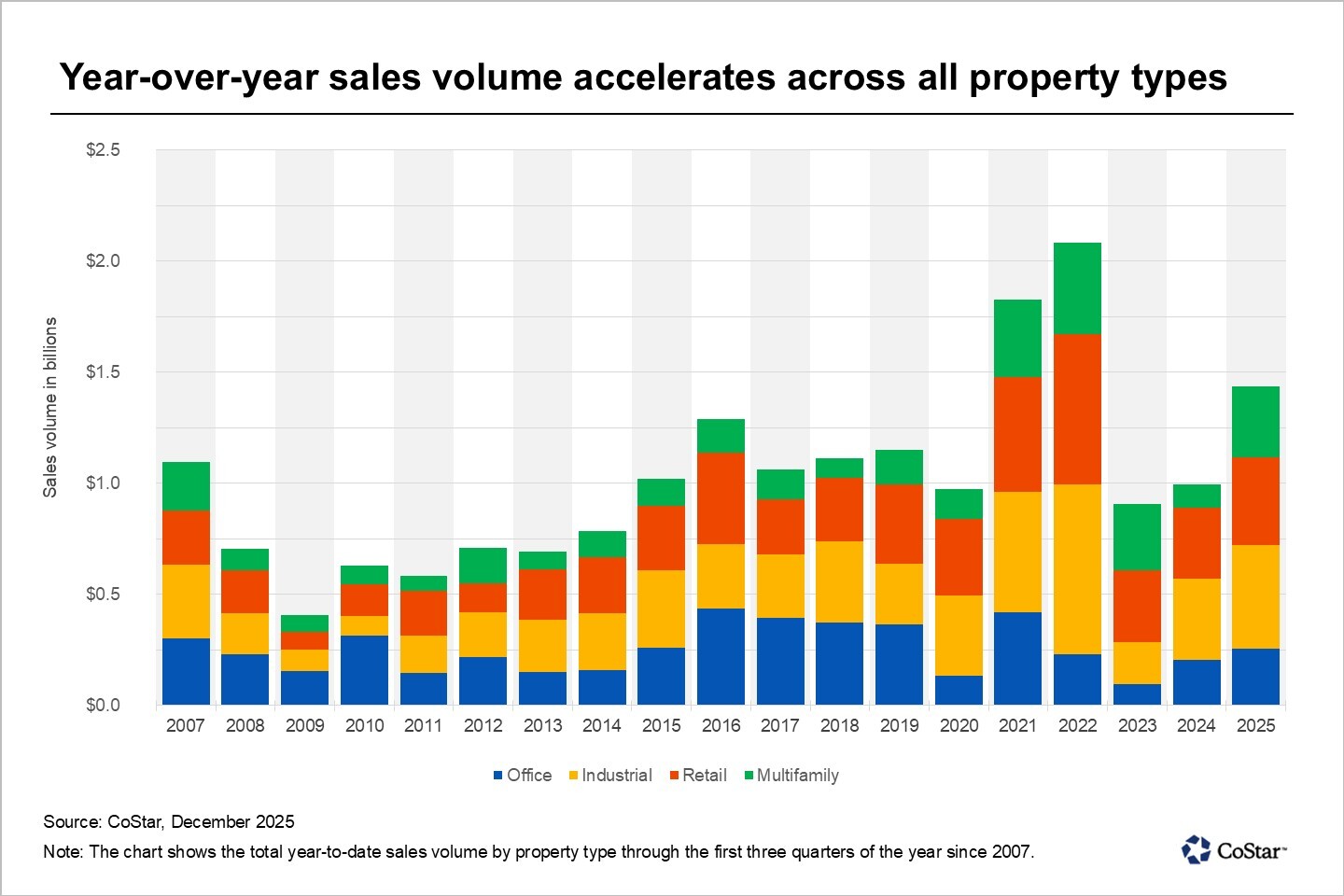
Many properties are selling at 30–40% below peak pricing. Combined with the Federal Reserve beginning to ease rates, the stage is set for a potential multi‑year recovery cycle.

AARE’s Dual‑Engine Model

Entrepreneur highlights that AARE isn’t relying solely on real estate holdings. Their 20+ year‑old services division generates additional revenue streams that could potentially fund future special dividends. With operations expanded into 25 states and plans to reach all 50, AARE is preparing for nationwide visibility.

Discover AARE’s national strategy and shareholder opportunities:
Become an AARE Shareholder

For real estate professionals — especially those earning or upgrading their credentials — this cycle is a powerful case study in timing, distressed asset strategy, and market‑driven opportunity. If you’re entering the industry or elevating your expertise, educational institutions like Cameron Academy offer the licensing and professional training that support long‑term success in cycles just like this.

This article is adapted from a paid advertisement originally published by Entrepreneur. To review the official AARE investment documents, visit invest.aare.com.

Disclaimer: Private placement investments involve significant risk, including the potential loss of your full investment. Always perform due diligence or consult a financial professional before investing.


More Articles

Getting licensed or staying ahead in your career can be a journey—but it doesn’t have to be overwhelming. Grab your favorite coffee or tea, take a moment to relax, and browse through our articles. Whether you’re just starting out or renewing your expertise, we’ve got tips, insights, and advice to keep you moving forward. Here’s to your success—one sip and one step at a time!

How AI Is Transforming Financial Advisors’ Daily Routines in 2026

In 2026, financial advisors are no longer just experimenting with AI — they’re relying on it. Once confined to back-office duties, AI now supports meeting prep, portfolio analysis, and even early-stage financial planning. Advisors say the tech is strengthening client relationships by freeing them from administrative overload, though entry-level roles like paraplanners may feel the squeeze as automation accelerates.

AI Is Outpacing the Mortgage Industry’s Cyber Defenses as Attacks Surge

Cybercriminals are weaponizing AI to launch highly convincing email scams and system breaches across the mortgage industry, overwhelming lenders and servicers whose cybersecurity measures can’t keep up. With major companies already hit and regulation lagging behind, experts warn the sector—now considered critical infrastructure—must rapidly upgrade protections, collaborate on threat intelligence, and improve AI governance before the risks escalate further.

Hidden Housing Costs May Become 2026’s Most Dangerous Budget Buster

Escrow payments are quietly surging across the country as property taxes and insurance premiums spike—pushing many homeowners toward delinquencies and even foreclosure. New data from Cotality shows the sharpest increases hitting the South and Midwest, with Florida among the hardest‑hit states. Even with fixed mortgage rates, rising escrow requirements are driving monthly payments higher and threatening affordability heading into 2026.

Milwaukee’s Commercial Real Estate Market Is Turning the Corner

Milwaukee entered 2025 with renewed momentum, posting its strongest commercial real estate sales volume in three years. After a period of uncertainty and high capital costs, investors are returning with a sharper focus on quality assets, realistic pricing, and reliable cash flow. Activity is increasing across industrial, office, multifamily, and retail sectors, signaling a broad-based recovery fueled by stabilizing interest rates and improved market confidence.

Title Insurance Leaders Lean Into Tech, Efficiency, and Resilience for 2026

As 2026 approaches, the title insurance industry is navigating a complex mix of market recovery, rising fraud threats, and sweeping regulatory changes. Industry leaders say the path forward centers on smarter technology, leaner operations, and stronger support for title agents. With AI-driven workflows, enhanced fraud prevention, and new compliance demands—including FinCEN’s expanded Geographic Targeting Orders—companies like Stewart and First American are reshaping how title work gets done. For real estate and mortgage professionals, the year ahead promises more automation, heightened standards, and major opportunities for those who stay ahead of the curve.

Technology and the Future of Real Estate: Innovation Reshaping 2025

The real estate industry is undergoing a major transformation in 2025 as advancements in AI, proptech, blockchain, and data intelligence redefine how properties are marketed, valued, financed, and experienced. From instant digital valuations and immersive virtual tours to tokenized investments and predictive analytics, technology is reshaping every stage of the real estate lifecycle. Professionals who embrace these innovations—while maintaining the human expertise clients still rely on—will lead the next era of the industry.