The Biggest Opportunity in Real Estate Since 2008

The commercial real estate market is experiencing something rare — a shift so significant that seasoned professionals are comparing it to the post‑2008 boom. According to Entrepreneur, current conditions are aligning to reward strategic buyers who understand timing, valuations, and market cycles. For professionals in real estate, finance, and related fields, this is one of those moments worth paying close attention to.

Commercial real estate market shift

Historically, market resets like this have created massive winners. After 2008, companies like Prologis, American Tower Corp, and Crown Castle aggressively expanded their real estate holdings — and their stock values soared between 900% and 1,300% over the next decade. Today, they are among the most dominant industrial real estate owners in the nation.

A New Opening for Everyday Investors

What makes today’s market particularly noteworthy is that a similar setup appears to be forming again. This time, a firm called AARE is offering everyday investors the chance to participate earlier — before becoming a public REIT.

Explore the original opportunity featured by Entrepreneur:
AARE Investment Offering

Compared to major REITs valued in the tens of billions, AARE’s valuation sits near $39 million. This wide valuation gap is a key factor that may create significant upside for early participants.

20+ Years of REIT Preparation

AARE has spent over two decades refining a diversified commercial real estate model. Their strategy includes:

  • Acquiring income‑producing commercial properties at discounted prices
  • Building a long‑term, diversified national portfolio
  • Distributing up to 100% of taxable income to shareholders

The company reports generating more than $7 million in recurring revenue and aims to begin dividend payouts within the next 24–36 months. Notably, up to 75% of investor funds are deployed directly into real assets — a stabilizing advantage during volatile cycles.

The Next Cycle Is Already Forming

Between now and 2027, trillions in commercial debt will mature — including roughly $162 billion in multifamily loans. With higher interest rates preventing many owners from refinancing, forced sales are becoming more common, often at steep discounts. Apartment values have already fallen approximately 25% since 2021.

Inflation‑driven construction costs add another layer: in many cities, buying existing buildings is now cheaper than developing new ones. This phenomenon — purchasing below replacement cost — is one of the strongest value indicators in commercial real estate.

Many properties are selling at 30–40% below peak pricing. Combined with the Federal Reserve beginning to ease rates, the stage is set for a potential multi‑year recovery cycle.

AARE’s Dual‑Engine Model

Entrepreneur highlights that AARE isn’t relying solely on real estate holdings. Their 20+ year‑old services division generates additional revenue streams that could potentially fund future special dividends. With operations expanded into 25 states and plans to reach all 50, AARE is preparing for nationwide visibility.

Discover AARE’s national strategy and shareholder opportunities:
Become an AARE Shareholder

For real estate professionals — especially those earning or upgrading their credentials — this cycle is a powerful case study in timing, distressed asset strategy, and market‑driven opportunity. If you’re entering the industry or elevating your expertise, educational institutions like Cameron Academy offer the licensing and professional training that support long‑term success in cycles just like this.

This article is adapted from a paid advertisement originally published by Entrepreneur. To review the official AARE investment documents, visit invest.aare.com.

Disclaimer: Private placement investments involve significant risk, including the potential loss of your full investment. Always perform due diligence or consult a financial professional before investing.

More Articles

Getting licensed or staying ahead in your career can be a journey—but it doesn’t have to be overwhelming. Grab your favorite coffee or tea, take a moment to relax, and browse through our articles. Whether you’re just starting out or renewing your expertise, we’ve got tips, insights, and advice to keep you moving forward. Here’s to your success—one sip and one step at a time!

The Mortgage Industry’s AI Transformation: Automation Reshapes Lending From Application to Approval

Artificial intelligence is rapidly reshaping the mortgage industry, boosting productivity, reducing manual work, and accelerating loan closings. From automated document data extraction to AI‑generated underwriting narratives and predictive analytics, lenders are using new tools that improve accuracy and drastically speed up processing times. With chatbots, next‑gen point‑of‑sale systems, and end‑to‑end automation, preapprovals that once took days now take minutes. For mortgage and real estate professionals, mastering AI is becoming a major competitive advantage—one that defines who will thrive in the future of lending.

Why Your Insurance Bill Is Rising Even as Florida Rates Go Down

Florida’s property insurance rates are finally starting to drop, but many homeowners are still seeing higher monthly bills. The reason isn’t insurer price hikes—it’s soaring replacement costs driven by construction inflation, labor shortages, and rising home values. Nearly 75 percent of recent premium increases came from higher property values alone. Understanding this gap between “rates” and “premiums” helps homeowners—and real estate and insurance professionals—navigate the shifting Florida market and make smarter coverage decisions.

Milwaukee’s Commercial Real Estate Market Turns a Corner

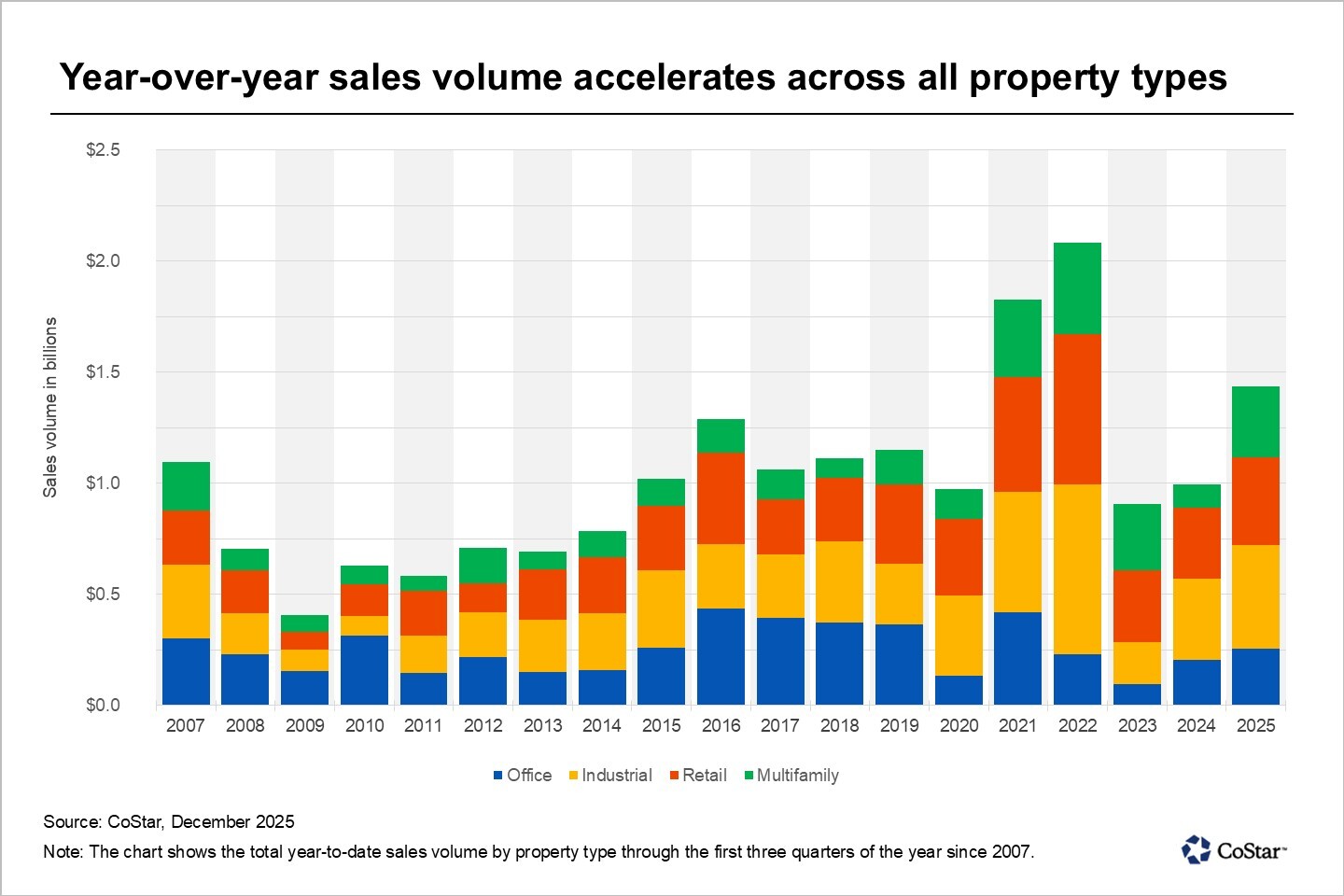
Milwaukee’s commercial real estate market is finally showing real signs of recovery, with 2025 sales volume hitting a three‑year high and investor confidence steadily returning. Driven by selective, fundamentals‑focused buying—favoring strong cash flow, quality assets, and strategic pricing—the city is moving from a period of correction into a healthier, opportunity‑rich phase. For real estate professionals nationwide, Milwaukee’s momentum reflects broader CRE market stabilization and the growing importance of disciplined underwriting and market expertise.

Reverse Mortgage Market Poised for Breakout Growth in 2026

Industry leaders project a major surge in reverse mortgage activity heading into 2026, fueled by rising proprietary products, lender innovation, and strong investor interest. As high interest rates push originators to adopt new strategies, flexible private‑label options, senior‑focused HELOCs, and a wave of big‑capital investment are reshaping the market. With education and policy shifts poised to unlock even more demand, reverse mortgages are entering their most transformative era yet.

The 2026 Housing Market Outlook: Is Better Inventory Finally on the Horizon?

Experts forecast that 2026 may bring long‑awaited relief to homebuyers, with both existing and new home inventory expected to rise. NAR predicts a boost in home sales, a slight drop in mortgage rates, and a modest 4% increase in prices—conditions that could motivate more homeowners to list while builders add over a million new homes to the market. For first‑time buyers, higher loan limits and easing qualification standards may make entering the market more achievable than in recent years.

Lower Interest Rates Signal a Brighter 2026 for South Florida Real Estate

South Florida enters 2026 with renewed optimism as falling mortgage rates, improving buyer confidence, and a strong job market help stabilize a housing landscape that struggled in 2025—especially in the condo sector. While single-family homes remained resilient last year, condos faced price drops, rising fees, and hesitation tied to new safety regulations. With rates projected to fall to around 5.8% by year’s end, buying power is increasing, inventory may loosen, and activity is expected to pick up. Still, affordability challenges persist, Miami’s rental market remains intensely competitive, and the condo sector’s recovery will take time.