
In a move that has captured the attention of the housing market, the Federal Reserve recently announced a significant interest rate cut by half a percentage point. This decision, as reported by Oregon Public Broadcasting (OPB), might not transform home affordability overnight, but it is poised to influence the housing landscape in several notable ways.

Mortgage Rates: A Mixed Bag

Mortgage rates have seen a rollercoaster ride over the past few years. During the pandemic, rates dipped below 3% for a 30-year fixed-rate mortgage, only to surge to nearly 8% amid economic recovery and inflation. Currently, rates have settled at around 6.2%, as noted by Freddie Mac. While the Federal Reserve’s rate cut has been partly anticipated, senior economist Charlie Dougherty from Wells Fargo predicts only a marginal drop in mortgage rates in the near term. The expectation is that rates might hover around 6.2% by year-end, with a potential decrease to 5.5% by the end of 2025.

The Paradox of Lower Rates and Higher Prices

Interestingly, lower mortgage rates could paradoxically lead to higher home prices. As more buyers enter the market, competition for a limited supply of homes could intensify. This scenario presents a particular challenge for first-time buyers, who have already faced hurdles due to past bidding wars and high mortgage rates. Real estate agents like Kim Kronenberger from Denver express concern for buyers who hoped for better affordability, only to find the market still challenging.

Building Up the Supply

One of the core issues driving high home prices is the lack of housing supply. The U.S. faces a significant shortfall in housing units, as highlighted by a Harvard study. High interest rates have previously hampered homebuilders, particularly smaller developers, from initiating new projects. However, the recent rate cut could ease borrowing conditions for these builders, encouraging new construction and potentially alleviating the housing shortage over time.

New homes under construction in trappe, md. , in 2022.

Affordability Remains Elusive

Despite the potential benefits of lower mortgage rates, affordability remains a significant hurdle for many. Home prices have surged by approximately 50% since early 2020, outpacing household income growth. This disparity, as Wells Fargo’s Dougherty points out, continues to make housing unattainable for many prospective buyers. Furthermore, the “lock-in effect” keeps existing homeowners reluctant to sell, given the higher rates they would face on new mortgages. Greg McBride, chief financial analyst at Bankrate.com, underscores that while mortgage rates have dipped slightly, the housing market remains sluggish. High home prices and limited inventory continue to pose challenges that a rate cut alone cannot resolve.

Conclusion

The Federal Reserve’s recent interest rate cut offers a glimmer of hope for the housing market, but it is not a panacea. The interplay between mortgage rates, demand, supply, and affordability will continue to shape the market dynamics in the coming months. For more insights, refer to the full article on OPB’s website.

More Articles

Getting licensed or staying ahead in your career can be a journey—but it doesn’t have to be overwhelming. Grab your favorite coffee or tea, take a moment to relax, and browse through our articles. Whether you’re just starting out or renewing your expertise, we’ve got tips, insights, and advice to keep you moving forward. Here’s to your success—one sip and one step at a time!

2025 Commercial Real Estate Outlook: Navigating a New Era

The commercial real estate landscape is on the brink of transformation as leaders seek to navigate the challenges of recent years and position their organizations for future opportunities.

The Emerging Mental Health Crisis Among Healthcare Workers During the COVID-19 Pandemic

The pandemic has ushered in a wave of mental health challenges that affect healthcare workers profoundly. From the onset of COVID-19, these professionals have been at the forefront, facing immense pressure, long hours, and the constant fear of exposure.

By |December 18, 2024|Categories: Article, Healthcare Workers, Mental Health|Tags: , |0 Comments

Ethical Concerns of Large Language Models in Healthcare

Exploring the dual nature of LLMs offers substantial benefits in healthcare but also raises significant ethical concerns, underscoring the need for well-defined guidelines and human oversight.

The Role of Wearable Devices in Chronic Disease Monitoring and Patient Care: A Comprehensive Review

Wearable devices have become integral in managing chronic conditions by providing continuous health data, empowering patients and healthcare professionals with insights that were previously unattainable.

AI Training Mandates: Navigating Legal Waters in Dentistry

The integration of artificial intelligence (AI) into dental practices is more than a technological trend; it represents a seismic shift in the industry. This transformation is reshaping skill sets and prompting a thorough examination of legal and ethical implications.

By |December 17, 2024|Categories: Article, Legal, Technology|Tags: , |0 Comments

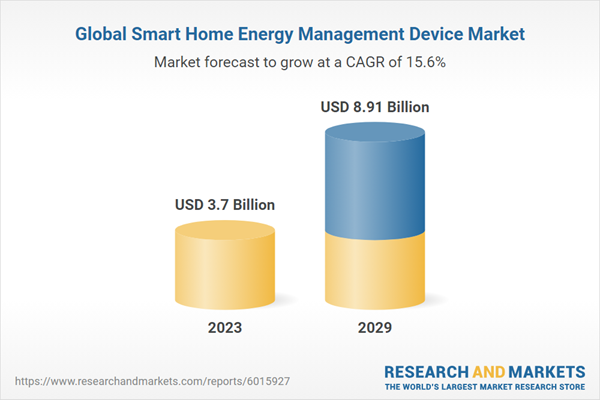
Smart Home Energy Management Devices: A Market Poised for Growth

The Global Smart Home Energy Management Device Market is on the brink of a significant transformation, driven by escalating demands for energy-efficient solutions and the increasing adoption of smart home technologies.