In a move that has captured the attention of the housing market, the Federal Reserve recently announced a significant interest rate cut by half a percentage point. This decision, as reported by Oregon Public Broadcasting (OPB), might not transform home affordability overnight, but it is poised to influence the housing landscape in several notable ways.
Mortgage Rates: A Mixed Bag
Mortgage rates have seen a rollercoaster ride over the past few years. During the pandemic, rates dipped below 3% for a 30-year fixed-rate mortgage, only to surge to nearly 8% amid economic recovery and inflation. Currently, rates have settled at around 6.2%, as noted by Freddie Mac. While the Federal Reserve’s rate cut has been partly anticipated, senior economist Charlie Dougherty from Wells Fargo predicts only a marginal drop in mortgage rates in the near term. The expectation is that rates might hover around 6.2% by year-end, with a potential decrease to 5.5% by the end of 2025.
The Paradox of Lower Rates and Higher Prices
Interestingly, lower mortgage rates could paradoxically lead to higher home prices. As more buyers enter the market, competition for a limited supply of homes could intensify. This scenario presents a particular challenge for first-time buyers, who have already faced hurdles due to past bidding wars and high mortgage rates. Real estate agents like Kim Kronenberger from Denver express concern for buyers who hoped for better affordability, only to find the market still challenging.
Building Up the Supply
One of the core issues driving high home prices is the lack of housing supply. The U.S. faces a significant shortfall in housing units, as highlighted by a Harvard study. High interest rates have previously hampered homebuilders, particularly smaller developers, from initiating new projects. However, the recent rate cut could ease borrowing conditions for these builders, encouraging new construction and potentially alleviating the housing shortage over time.
Affordability Remains Elusive
Despite the potential benefits of lower mortgage rates, affordability remains a significant hurdle for many. Home prices have surged by approximately 50% since early 2020, outpacing household income growth. This disparity, as Wells Fargo’s Dougherty points out, continues to make housing unattainable for many prospective buyers. Furthermore, the “lock-in effect” keeps existing homeowners reluctant to sell, given the higher rates they would face on new mortgages.
Greg McBride, chief financial analyst at Bankrate.com, underscores that while mortgage rates have dipped slightly, the housing market remains sluggish. High home prices and limited inventory continue to pose challenges that a rate cut alone cannot resolve.
Conclusion
The Federal Reserve’s recent interest rate cut offers a glimmer of hope for the housing market, but it is not a panacea. The interplay between mortgage rates, demand, supply, and affordability will continue to shape the market dynamics in the coming months. For more insights, refer to the full article on OPB’s website.
More Articles
Getting licensed or staying ahead in your career can be a journey—but it doesn’t have to be overwhelming. Grab your favorite coffee or tea, take a moment to relax, and browse through our articles. Whether you’re just starting out or renewing your expertise, we’ve got tips, insights, and advice to keep you moving forward. Here’s to your success—one sip and one step at a time!
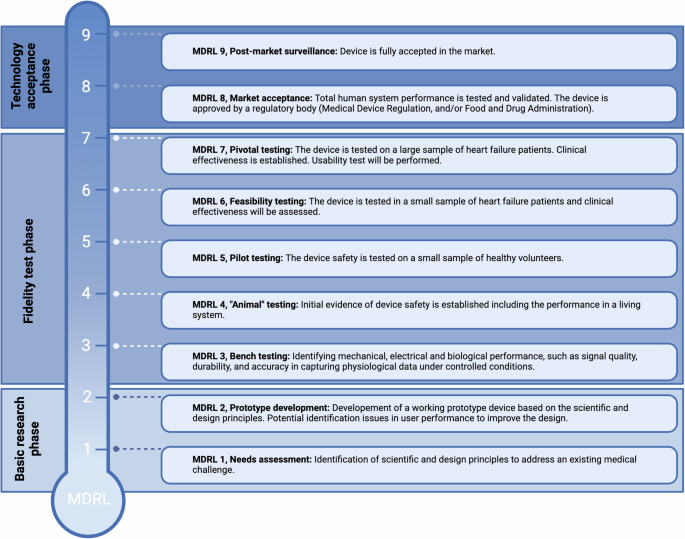
Wearable devices offer a personalized and empowering experience for patients, potentially becoming a vital component of modern heart failure management. Yet, the review underscores a significant barrier: the lack of rigorous evaluations.
In the ever-evolving landscape of finance, the integration of AI technology is revolutionizing how financial institutions operate, interact with customers, and make strategic decisions.
In Kenya, a financial revolution is quietly unfolding with the emergence of blockchain-based microcredit, promising to enhance financial inclusion by addressing accessibility and trust challenges inherent in traditional banking systems.
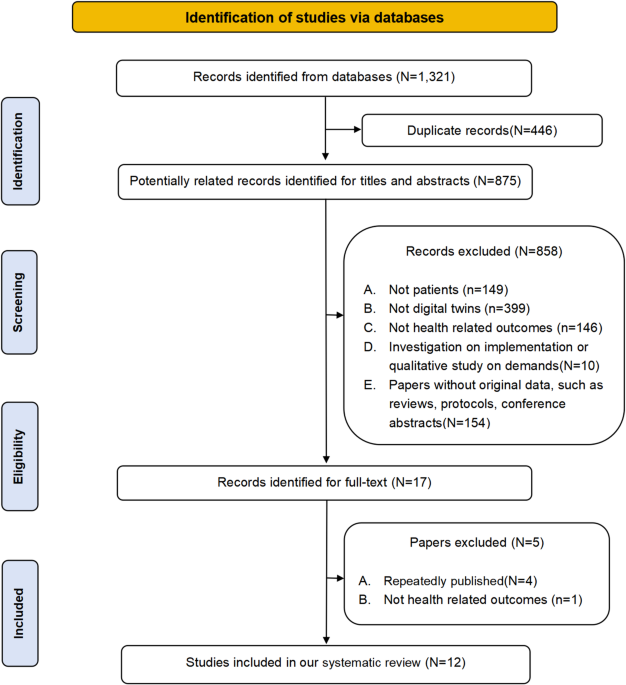
Digital twins are emerging as a pivotal technology in the realm of precision health, revolutionizing patient outcomes through personalized health management, precision therapies, and risk prediction.
The global 3D printing construction market is on the brink of a remarkable transformation. Currently valued at USD 0.34 billion in 2023, it is projected to surge to USD 910 million by 2024, and ultimately reach USD 2.3 billion by 2032.
As the world of healthcare continues to evolve, nurses are at the forefront, embracing telehealth technology to revolutionize patient care. With the increased demand on healthcare systems due to an aging population and ongoing nursing shortages, telehealth is becoming an indispensable tool for nurses, enhancing patient outcomes and expanding access to quality healthcare.