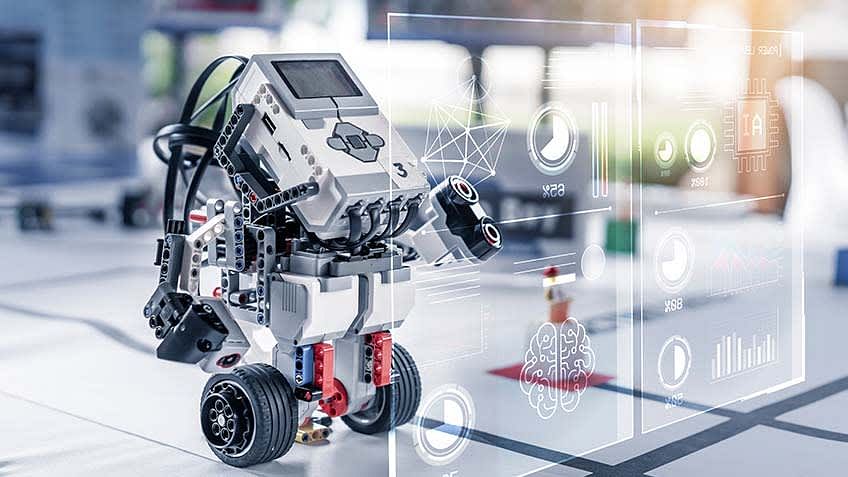
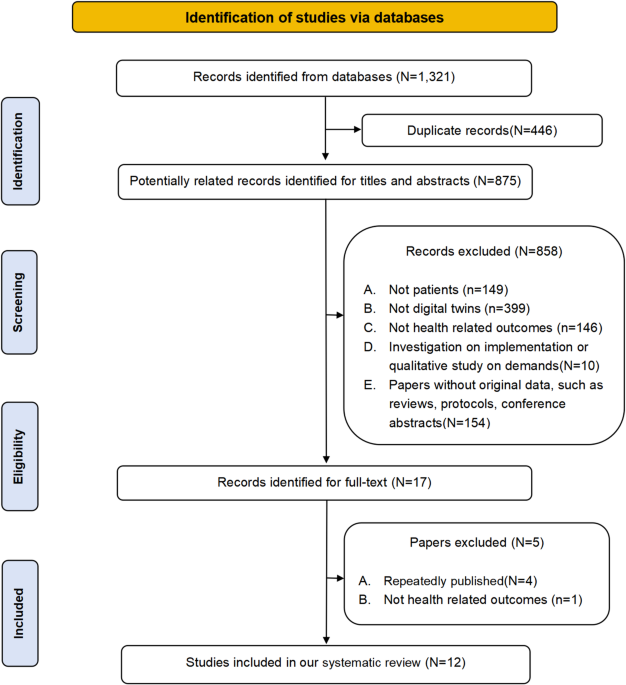
 Digital twins, essentially virtual replicas of human bodies, utilize real-time data to provide dynamic and individualized healthcare solutions. This technology marks a significant departure from conventional medical practices, which often employ a one-size-fits-all approach. Instead, digital twins offer tailored recommendations and interventions, thereby enhancing the precision and efficacy of healthcare delivery.
The AI Revolution: Transforming Industries and Paving New Paths
AI is not just a buzzword; it is a transformative force reshaping industries and influencing our daily lives in ways we could not have imagined a decade ago.

Getting licensed or staying ahead in your career can be a journey—but it doesn’t have to be overwhelming. Grab your favorite coffee or tea, take a moment to relax, and browse through our articles. Whether you’re just starting out or renewing your expertise, we’ve got tips, insights, and advice to keep you moving forward. Here’s to your success—one sip and one step at a time!
AI is not just a buzzword; it is a transformative force reshaping industries and influencing our daily lives in ways we could not have imagined a decade ago.
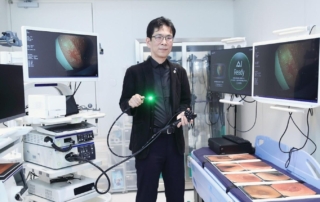
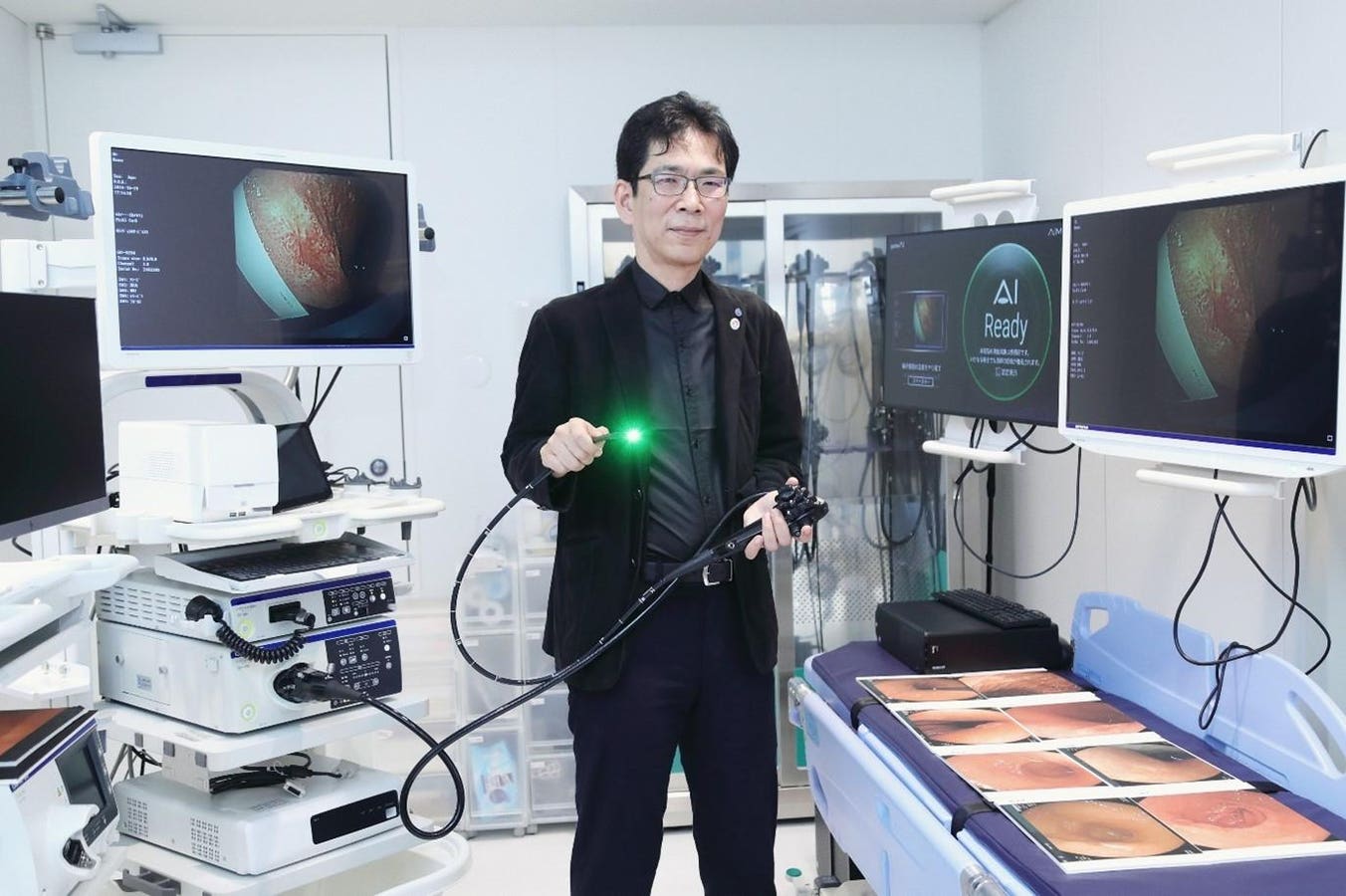
In a world where the World Health Organization has projected a staggering increase in cancer cases by 2050, Japan is at the forefront of pioneering solutions to combat this looming crisis.
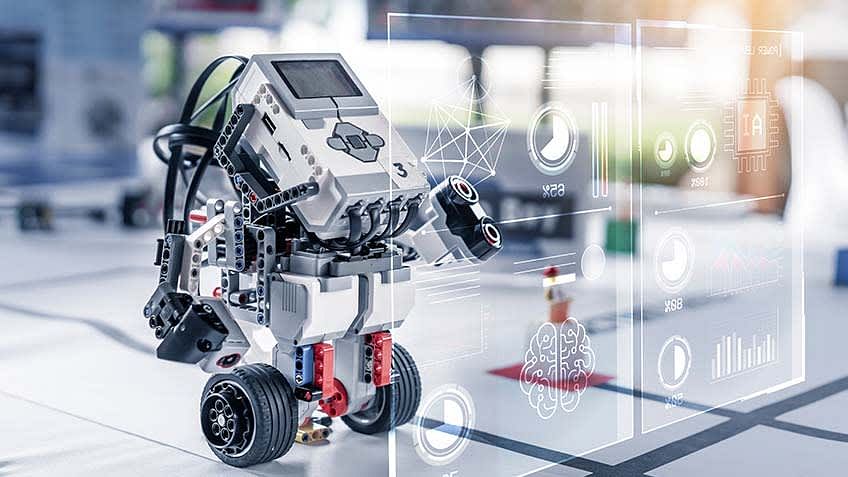
Artificial Intelligence (AI) is redefining the contours of our world, reshaping industries and daily life in ways previously unimaginable. As we delve into the intricacies of AI, it becomes evident that this technology is not just a tool but a transformative force.
Organizations employ various techniques to combat fraud, including transaction monitoring, artificial intelligence, and statistical data analysis. Transaction monitoring tools analyze transaction data in real-time, using anomaly detection to flag unusual activities.
"As we edge closer to 2025, the U.S. real estate market stands at a pivotal juncture. A confluence of economic shifts, demographic changes, and technological advancements is set to redefine the landscape, impacting both housing and commercial real estate sectors profoundly."
NVIDIA has unveiled its DRIVE AI Systems Inspection Lab. This state-of-the-art facility assists automotive ecosystem partners in inspecting and verifying that their software and systems meet rigorous safety and cybersecurity standards.