Title Insurance Leaders Lean Into Tech, Efficiency, and Resilience for 2026
As the title insurance industry heads into 2026, leaders across the sector are bracing for a complex blend of market pressures, regulatory shifts, and escalating fraud threats. But according to a powerful deep dive from HousingWire, many of the industry’s largest players are pushing forward with smarter technology, tighter operational efficiency, and expanded agent support.
A Market in Recovery Mode
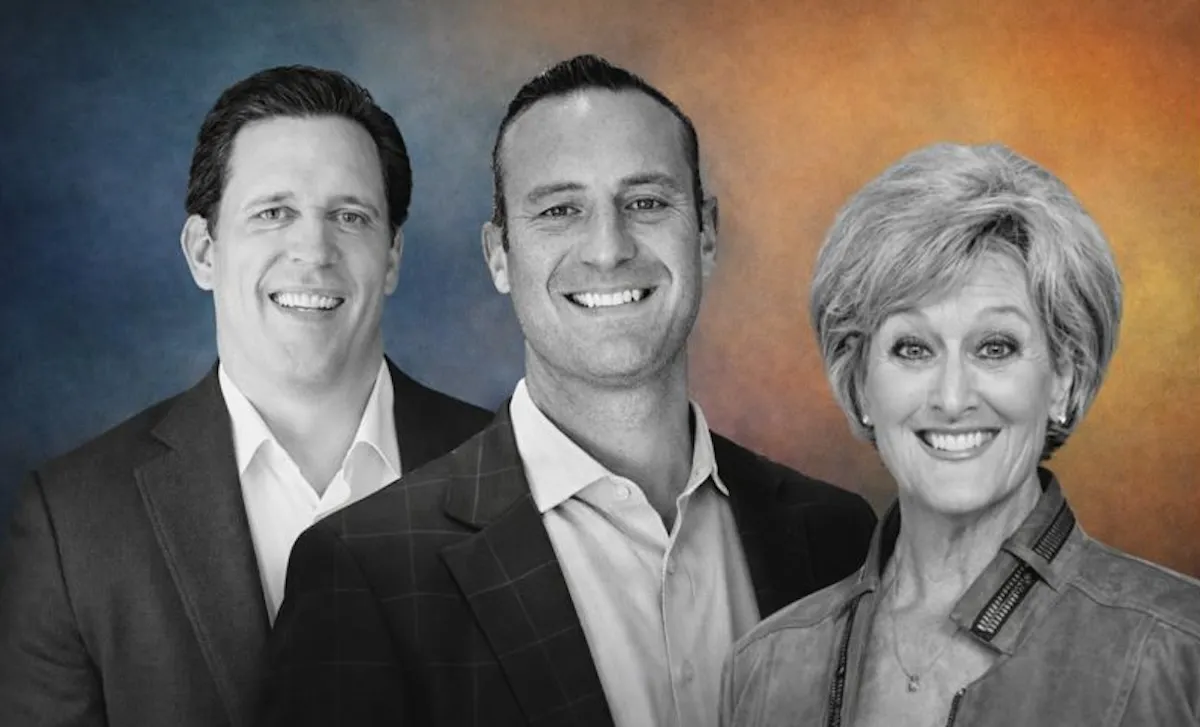
Ryan Swed, group president of direct operations at Stewart Title, explained that the prolonged downturn forced companies to rethink workflows, staffing models, and the tech powering their operations. With AI and automation evolving rapidly, leaders now view technology as the centerpiece of the coming recovery.
Swed emphasized the challenge: “How do you not overstaff when the recovery comes? It always comes at some point.”
Iain Bryant, Stewart’s group president of agency operations, added that agents are more carefully evaluating their underwriting partners—expected during one of the most difficult markets in nearly four decades.
Signs of Strength in 2025 Performance
Despite headwinds, falling mortgage rates helped drive stronger Q3 2025 performance for major title insurers including First American, Stewart, Fidelity, Old Republic, and Investors Title Co.
According to the American Land Title Association, premium volume reached into the billions through the first half of 2025—signaling a slow but steady industry rebound as affordability improves.
Technology and Fraud Prevention Take Center Stage
Technology consolidation is shrinking the pool of available production systems, forcing the remaining platforms to innovate or fall behind. Bryant notes that this shift is fundamentally reshaping operational expectations.
Wire fraud remains one of the industry’s greatest threats, driving rapid adoption of identity verification, wire validation, and AI-powered anomaly detection tools.
First American president Sally Tyler highlighted major automation gains—particularly in quality control, data ingestion, standardized reviews, and exception-based processing. These innovations reduce manual workloads and accelerate closing timelines.
New Regulatory Pressures Ahead
FinCEN’s expanded Geographic Targeting Orders mark one of the most sweeping anti‑money‑laundering mandates ever applied to the industry—impacting offices of all sizes across the nation.
Potential adjustments to GSE policies—including acceptance of attorney opinion letters in place of traditional title insurance—remain controversial. Tyler stressed that even small changes from Fannie Mae or Freddie Mac could introduce serious risk to property owners.
What 2026 Looks Like
Stewart and First American are investing heavily in agent support through enhanced education, AI‑powered underwriting guidance, and more robust auditing capabilities. Tools like Stewart’s virtual underwriter and First American’s AgentNet Assist aim to reduce delays and give agents immediate access to reliable data.
Tyler describes First American’s approach as “simplify and amplify”—streamlining processes while elevating agent knowledge through clearer data and smarter workflows.
What It Means for Professionals
For professionals in real estate, mortgage, finance, and title, 2026 will be defined by efficiency, automation, and compliance awareness. Those who understand these shifts will be best positioned to lead the next era of growth.
Education and adaptability are now more important than ever. Cameron Academy continues to support professionals nationwide with licensing, continuing education, and skill‑building programs—helping future leaders thrive in a rapidly evolving industry.
This article is based on reporting from HousingWire. Explore their full coverage for deeper industry insights.
More Articles
Getting licensed or staying ahead in your career can be a journey—but it doesn’t have to be overwhelming. Grab your favorite coffee or tea, take a moment to relax, and browse through our articles. Whether you’re just starting out or renewing your expertise, we’ve got tips, insights, and advice to keep you moving forward. Here’s to your success—one sip and one step at a time!
Seattle now holds the second‑highest office vacancy rate in the nation at 26.6%, with some downtown areas soaring past 35% and Pioneer Square reaching 50%. Mayor‑elect Katie Wilson steps into office with bold proposals—including a vacancy tax and office‑to‑housing conversions—amid tech pullbacks, shifting work habits, and investor uncertainty. Despite alarming numbers, signs of resilience remain, offering opportunities for savvy real estate professionals watching this market transform in real time.
Florida lawmakers are once again targeting the fast‑growing litigation‑financing industry with House Bill 1157, a proposal that would restrict how outside investors participate in lawsuits. The bill would limit funder influence, cap their share of settlements, and require new disclosures—especially for foreign‑backed financing. As similar measures emerge nationwide, the outcome could significantly impact professionals across law, insurance, finance, and real estate who depend on predictable risk and regulatory environments.
Starting April 1, Philadelphia homeowners and renters with federal flood insurance will see a 15% reduction in their premiums thanks to the city joining FEMA’s Community Rating System. The discount reflects Philadelphia’s growing investment in flood‑risk mitigation and is expected to save residents and businesses more than $424,000 annually. Beyond easing household expenses, the change also reshapes how real estate and insurance professionals evaluate flood‑zone properties, opening the door to improved affordability and stronger buyer confidence.
Newrez is doubling down on artificial intelligence with a strategic investment in Homevision, an advanced AI underwriting platform designed to automate collateral, income, assets, credit, and full loan decisioning. After seeing Homevision’s MIRA system boost collateral underwriting efficiency, Newrez plans to expand the technology in 2026—signaling a breakthrough year for real-time automated underwriting across the mortgage industry.
A new United Van Lines migration report reveals that Americans are trading big-city ambition for affordability, shorter commutes, and better quality of life—reshaping where and how commercial real estate will grow. Southern and smaller markets continue to attract new residents, but pandemic‑era assumptions of endless demand are fading as rent growth cools and new inventory floods the market. For investors and real estate professionals, the opportunity now lies in affordable housing, modest office parks, value‑focused retail, and support‑industrial spaces like self‑storage.
The 2026 housing market is finally shifting into balance, with economists forecasting rising home sales, improved affordability, and a more diverse buyer pool. Inventory is up, mortgage rates are easing, and demographic changes—from returning first-time buyers to dominant baby boomers—are reshaping demand. New construction is stabilizing, price growth is moderating, and millions of buyers could re-enter the market as rates fall toward 6 percent. For real estate professionals, this rebalanced environment offers fresh opportunities for growth, strategy, and education.